quietos
“quietos” means “still” in Spanish. It has 2 different meanings depending on context:
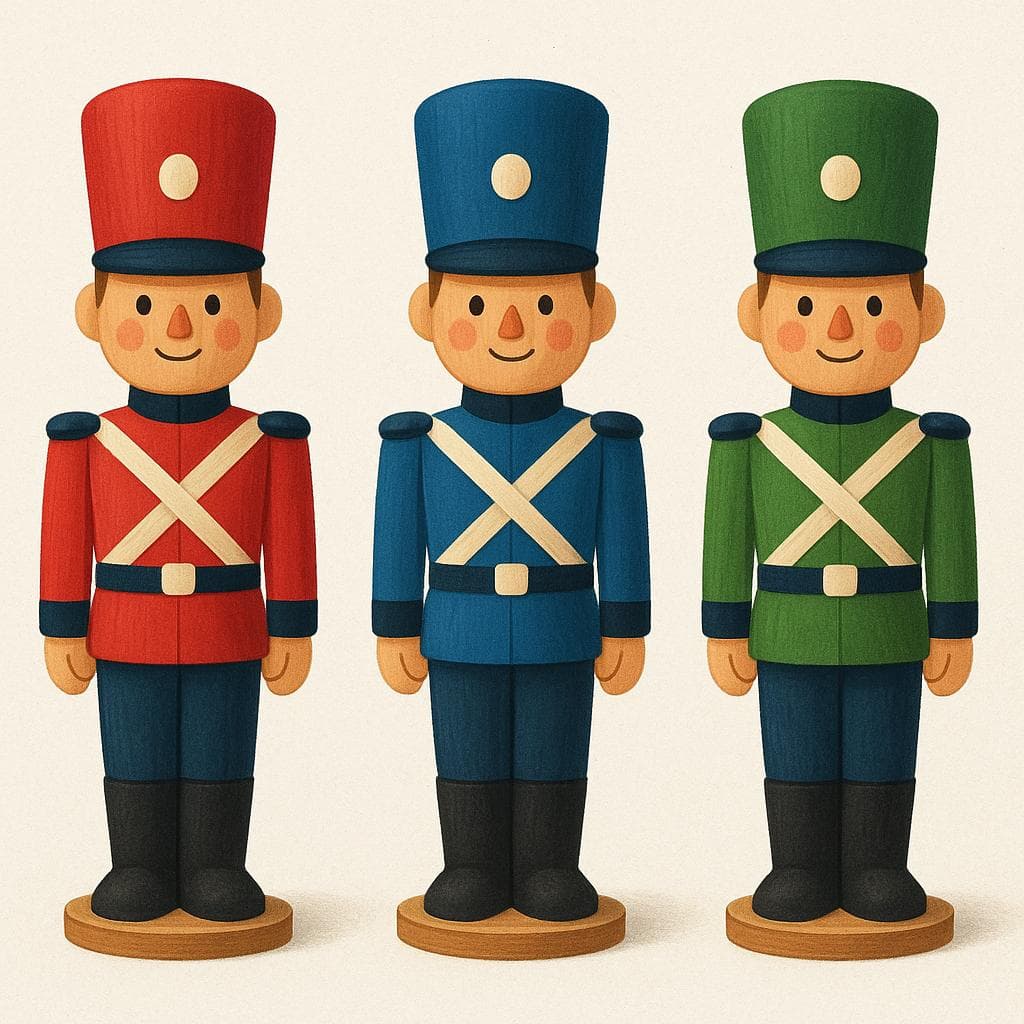

still, quiet
Also: motionless, calm
📝 In Action
Los leones permanecieron quietos mientras el rebaño pasaba.
A2The lions remained still while the herd passed by.
Todos los chicos estaban quietos esperando su turno.
A1All the boys were quiet/still waiting for their turn.
Las aguas del lago estaban quietos esta mañana.
B1The lake waters were calm this morning.
Be still!, Stay put!
Also: Freeze!
📝 In Action
¡Quietos, niños! La foto va a salir movida.
A2Stay still, children! The photo is going to come out blurry.
El policía gritó: «¡Quietos! Manos arriba.»
B1The police officer shouted: “Freeze! Hands up.”
¡Quietos todos! Hay algo en el suelo.
A2Everybody stay still! There is something on the floor.
Translate to Spanish
✏️ Quick Practice
Quick Quiz: quietos
Question 1 of 2
Which sentence correctly uses 'quietos' as a description?
📚 More Resources
👥 Word Family▼
🎵 Rhymes▼
📚 Etymology▼
Comes from the Latin word *quietus*, meaning 'calm,' 'at rest,' or 'peaceful.' This is also the root for the English word 'quiet.'
First recorded: 13th century (in Spanish)
Cognates (Related words)
💡 Master Spanish
Take your Spanish to the next level. Read 200+ illustrated and narrated Spanish stories tailored to your level with the Inklingo app!
Frequently Asked Questions
What is the difference between 'quietos' and 'silenciosos'?
'Quietos' primarily means 'still' or 'motionless.' While it can sometimes mean 'quiet' (not noisy), 'silenciosos' is the dedicated word for 'silent' or 'making no sound.' If a group is not moving, use 'quietos'; if they are not talking, use 'silenciosos'.
How do I make 'quietos' feminine?
To describe multiple females (or a group of feminine nouns), change the ending to '-as': 'quietas'. Example: 'Las gatas están quietas.' (The female cats are still.)