recoge
“recoge” means “picks up” in Spanish. It has 2 different meanings depending on context:
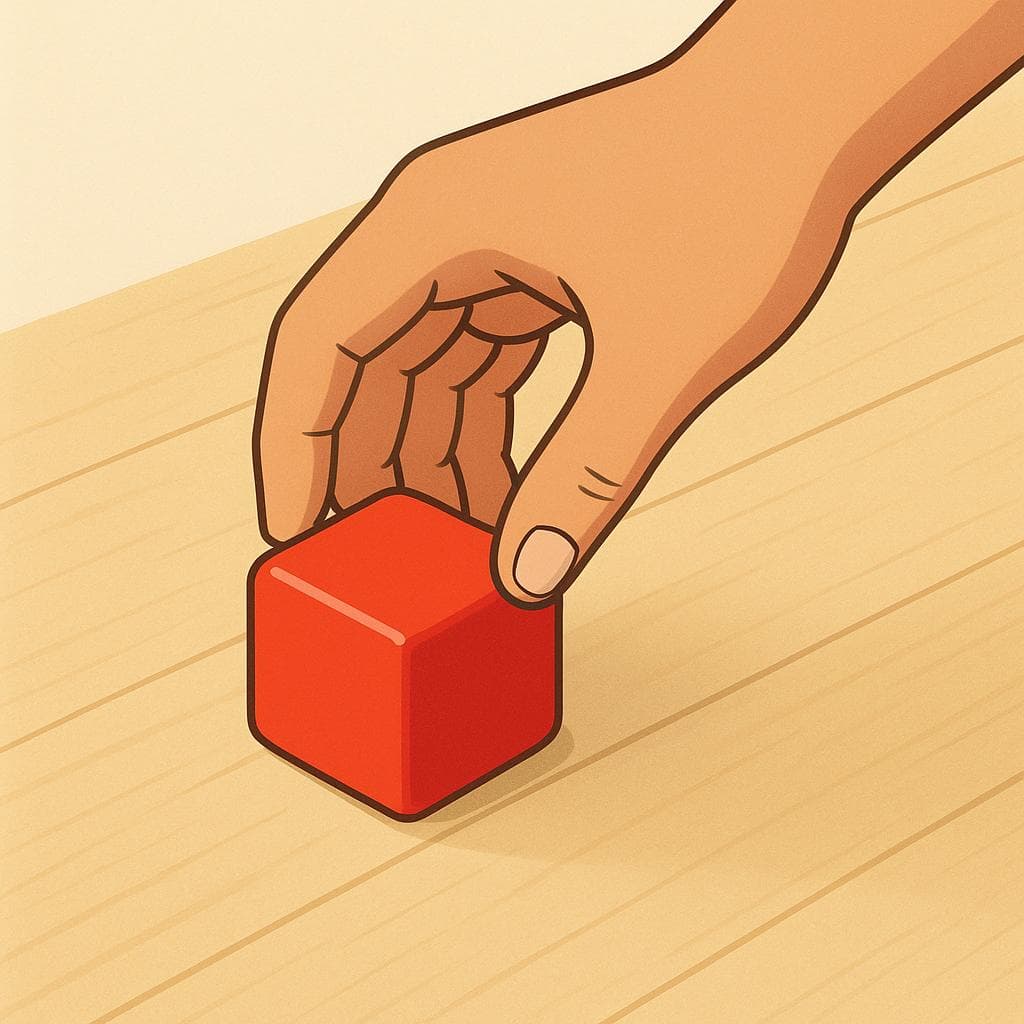

picks up, collects, pick up!Also: gathers, receives
📝 In Action
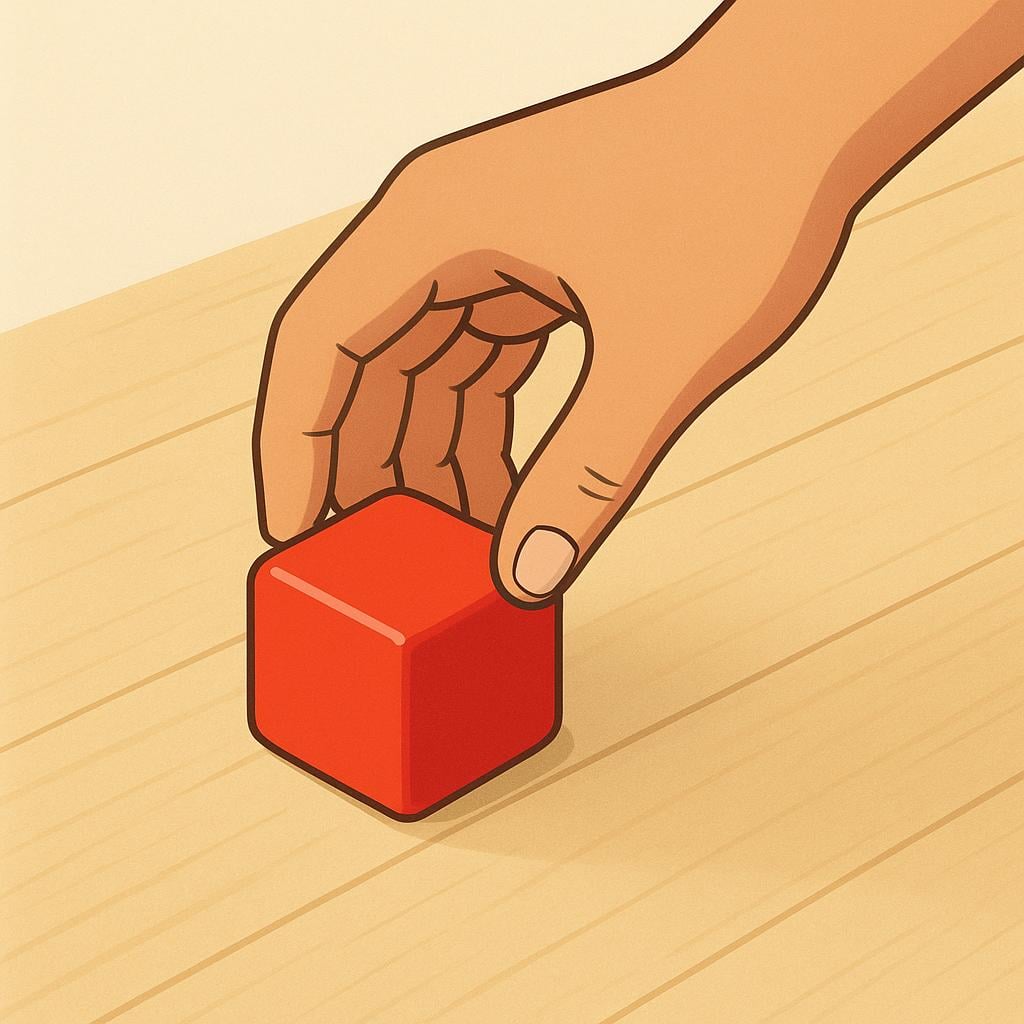
Ella recoge los juguetes del suelo.
A1She picks up the toys from the floor.
Señora, por favor, recoge la mesa.
A2Madam, please, clear the table. (formal command)
¡Recoge tu mochila antes de salir!
A1Pick up your backpack before leaving! (informal command)
Word Connections
gathers, collectsAlso: compiles, summarizes

📝 In Action
El periodista recoge datos para su artículo.
B1The journalist gathers data for his article.
La policía recoge pruebas en la escena del crimen.
B2The police collect evidence at the crime scene.
Este capítulo recoge los principales argumentos del libro.
C1This chapter summarizes the main arguments of the book.
Word Connections
Indicative
Present
Imperfect
Preterite
Subjunctive
Present Subjunctive
Imperfect Subjunctive
Translate to Spanish
✏️ Quick Practice
Quick Quiz: recoge
Question 1 of 2
Which sentence uses 'recoge' as an informal command?
📚 More Resources
👥 Word Family
📚 Etymology
The verb 'recoger' comes from the Latin 're-' (meaning 'again' or 'back') and 'colligere' (meaning 'to gather' or 'to bind together'). The original meaning was literally 'to gather back or repeatedly,' which evolved into picking up things or collecting information.
First recorded: 13th century
Cognates (Related words)
💡 Master Spanish
Take your Spanish to the next level. Read 200+ illustrated and narrated Spanish stories tailored to your level with the Inklingo app!
Frequently Asked Questions
How do I know if 'recoge' is an imperative (command) or present tense?
If 'recoge' is used with 'tú' (you informal) and has exclamation marks, it’s a command (e.g., '¡Recoge el lápiz!'). If it’s used with 'él,' 'ella,' or 'usted,' it is the present tense (e.g., 'Él recoge su coche'). Context and pronouns are your clues!
Is 'recoger' reflexive (recogerse)?
Yes! When used reflexively ('recogerse'), it usually means 'to withdraw,' 'to retreat,' or 'to go home' for privacy or rest. For example, 'Se recoge temprano' means 'He goes home early to rest.'