repite
“repite” means “repeats” in Spanish. It has 2 different meanings depending on context:
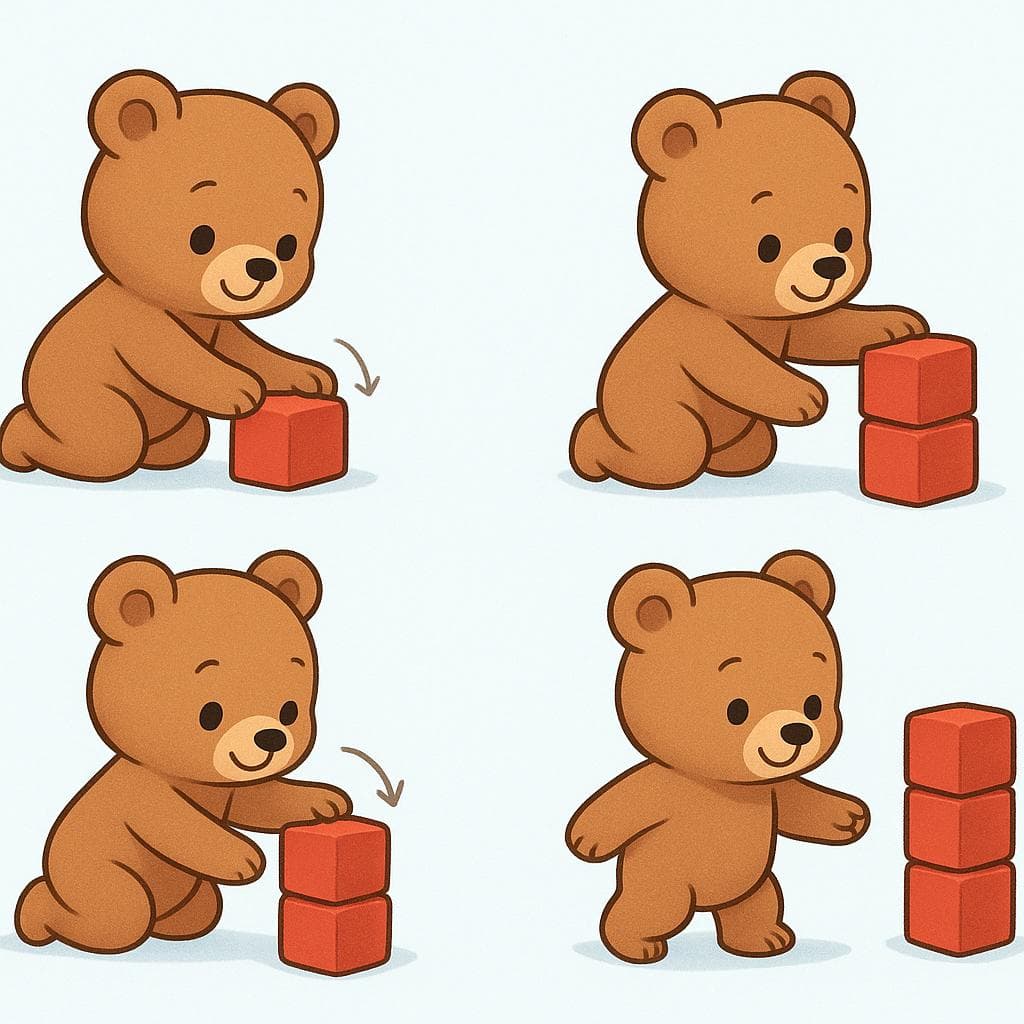
repeats, is repeating
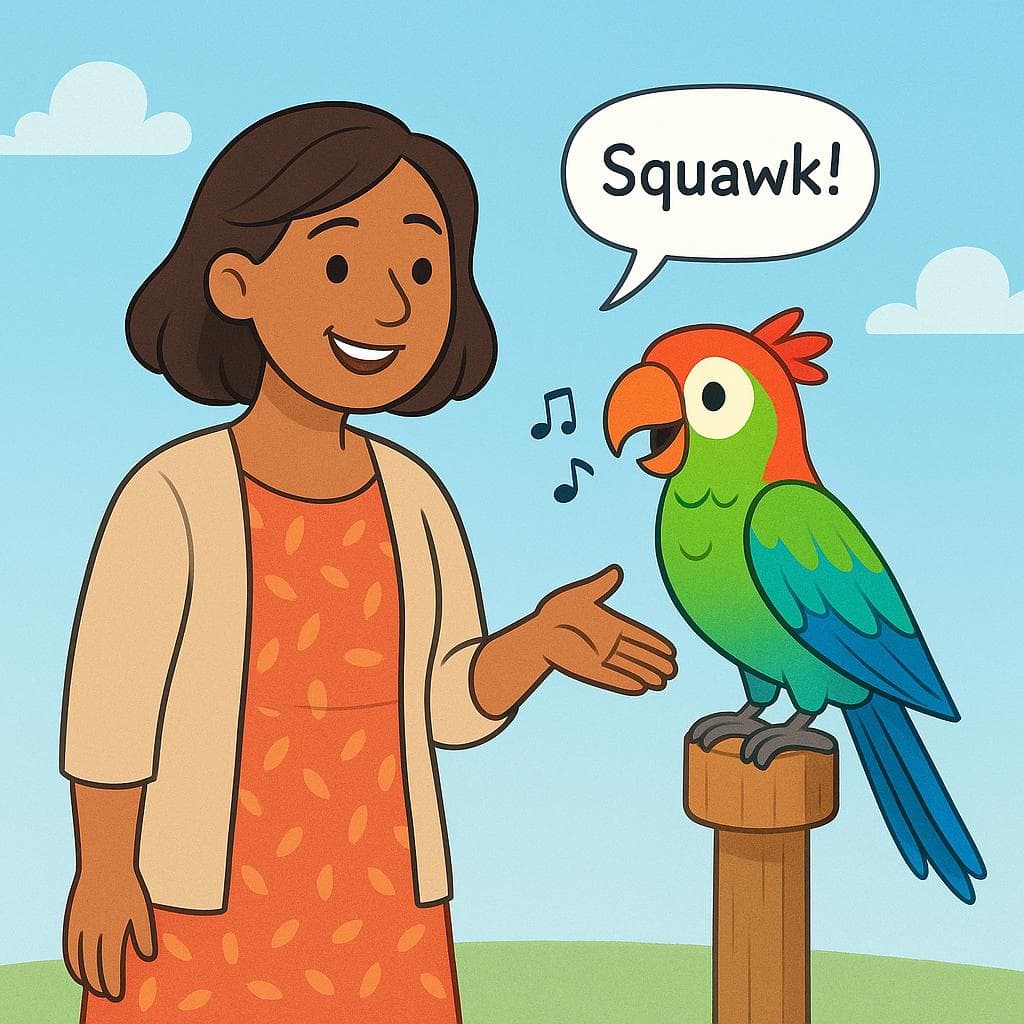
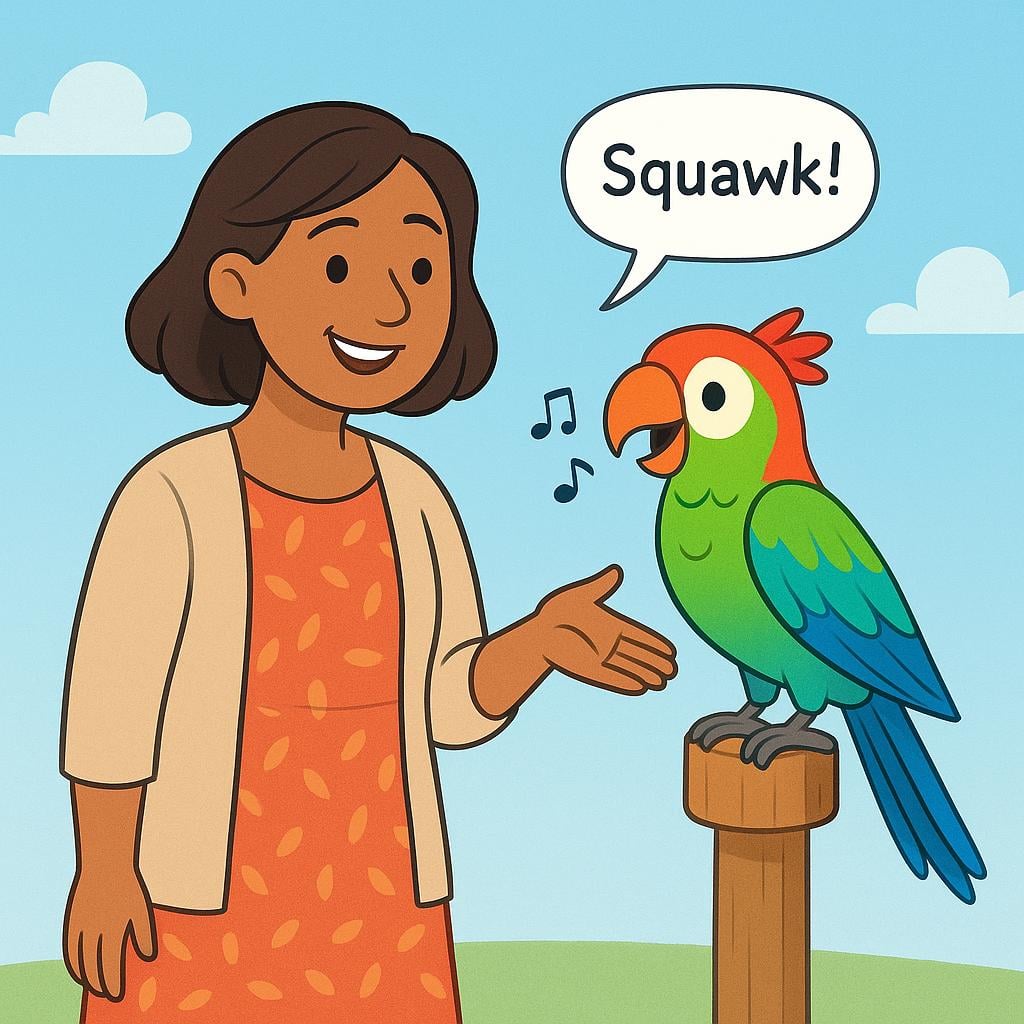
Also: says again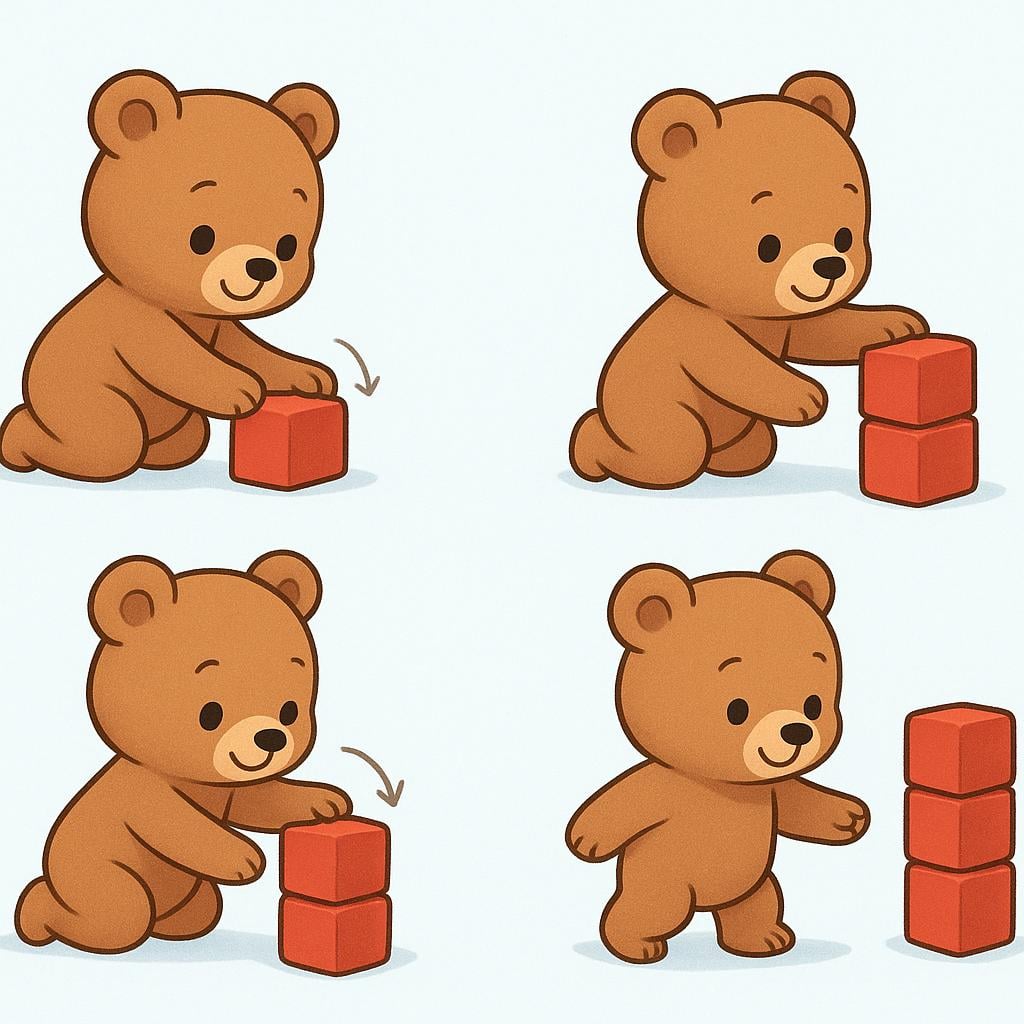
📝 In Action
Mi hermano repite siempre la misma historia.
A1My brother always repeats the same story.
La televisión repite el anuncio cada cinco minutos.
A2The TV repeats the commercial every five minutes.
¿Usted repite el curso porque quiere mejorar la nota?
B1Are you repeating the course because you want to improve your grade?
Repeat!, Say it again!
📝 In Action
¡Repite conmigo: 'Yo tengo un gato'!
A1Repeat with me: 'I have a cat'!
No te escuché bien, repite por favor.
A2I didn't hear you well, repeat please.
Indicative
Present
Preterite
Imperfect
Subjunctive
Present Subjunctive
Imperfect Subjunctive
Translate to Spanish
✏️ Quick Practice
Quick Quiz: repite
Question 1 of 1
Which sentence uses 'repite' as a direct command?
📚 More Resources
👥 Word Family▼
🎵 Rhymes▼
📚 Etymology▼
Comes directly from the Latin verb *repetere*, meaning 'to seek again' or 'to return to'. The meaning has remained very consistent over the centuries, focusing on doing something for a second or subsequent time.
First recorded: Mid-13th century
Cognates (Related words)
💡 Master Spanish
Take your Spanish to the next level. Read 200+ illustrated and narrated Spanish stories tailored to your level with the Inklingo app!
Frequently Asked Questions
Why does 'repite' have an 'i' instead of an 'e' like the infinitive 'repetir'?
This is because *repetir* is a stem-changing verb. In many conjugations, the 'e' in the middle of the verb changes to an 'i' (e > i) when it's stressed, which is why we say 'repite' and not 'repete'.
How do I make the negative command (Don't repeat!)?
To tell a friend (tú) *not* to repeat something, you switch to the special command form (subjunctive) and add 'no': *¡No repitas!*