revés
“revés” means “wrong side” in Spanish. It has 3 different meanings depending on context:


wrong side, reverse
Also: back
📝 In Action
El revés de la tela era áspero y sin color.
B1The wrong side of the fabric was rough and colorless.
Necesitas escribir tu nombre en el revés de la hoja.
A2You need to write your name on the back (reverse) of the sheet.
backhand

📝 In Action
Su revés es mucho más potente que su derecha.
B2His backhand is much more powerful than his forehand.
Necesito practicar mi golpe de revés.
B2I need to practice my backhand shot.
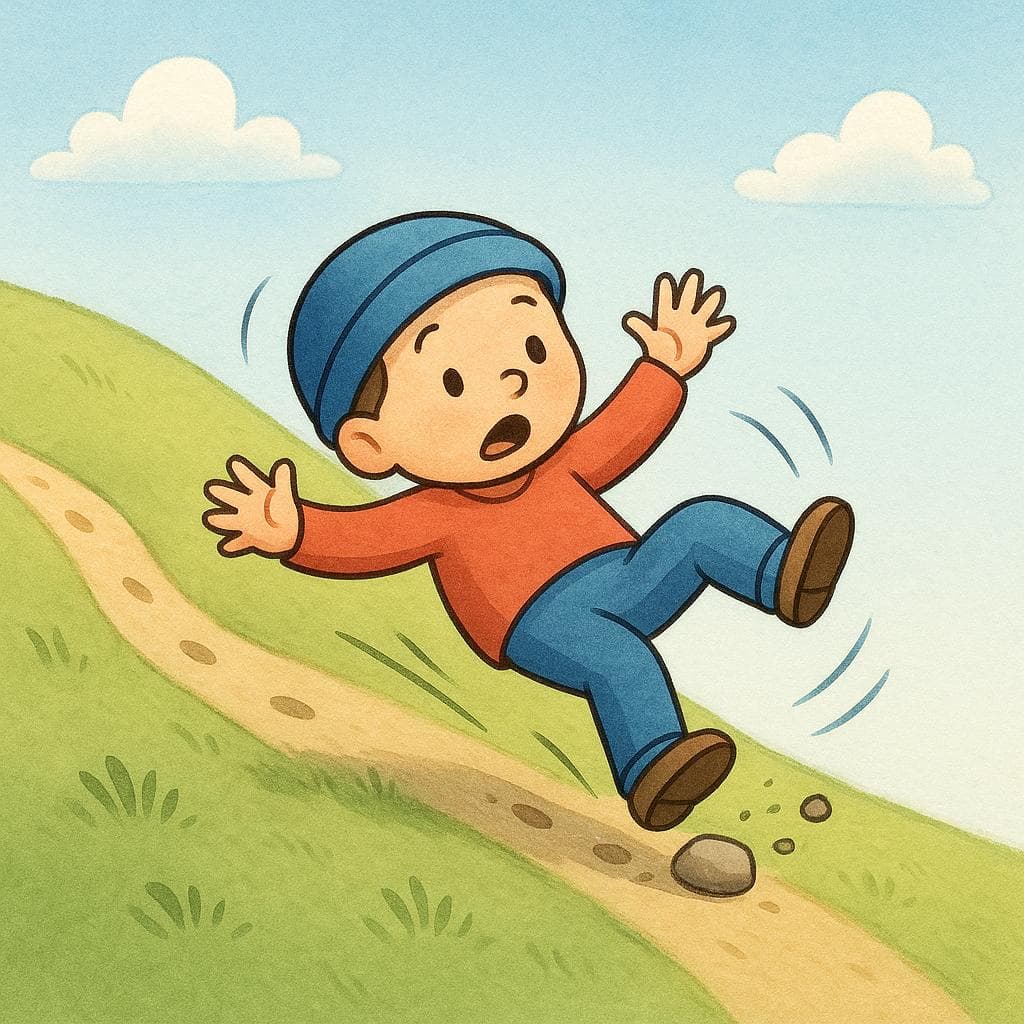
setback, blow

📝 In Action
La crisis económica fue un duro revés para la compañía.
C1The economic crisis was a harsh setback for the company.
A pesar de este revés, él siguió luchando por sus sueños.
C1Despite this misfortune, he kept fighting for his dreams.
Translate to Spanish
✏️ Quick Practice
Quick Quiz: revés
Question 1 of 2
Which sentence correctly uses 'revés' in its most common everyday context?
📚 More Resources
👥 Word Family▼
🎵 Rhymes▼
📚 Etymology▼
Comes from the Latin word 'reversus,' which means 'turned back' or 'reversed.' The concept has always been about the opposite side or direction.
First recorded: 13th century
Cognates (Related words)
💡 Master Spanish
Take your Spanish to the next level. Read 200+ illustrated and narrated Spanish stories tailored to your level with the Inklingo app!
Frequently Asked Questions
How do I say 'inside out' using 'revés'?
You must use the fixed phrase 'al revés'. For example, 'Llevas los calcetines al revés' (You are wearing your socks inside out).
Is 'revés' masculine or feminine?
'Revés' is always a masculine noun ('el revés'), even though it ends in 's.' This is important for matching articles and adjectives.