ráfaga
“ráfaga” means “gust” in Spanish. It has 2 different meanings depending on context:
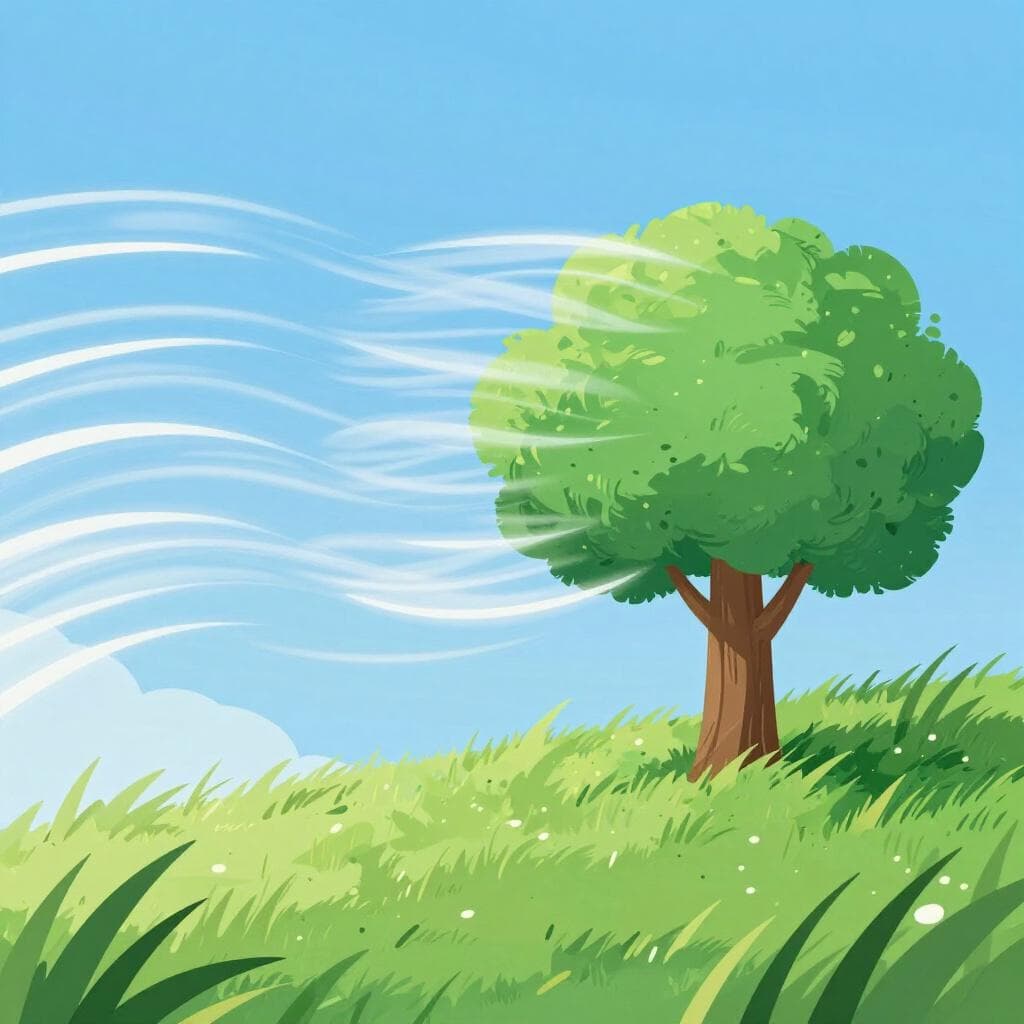

gust
Also: burst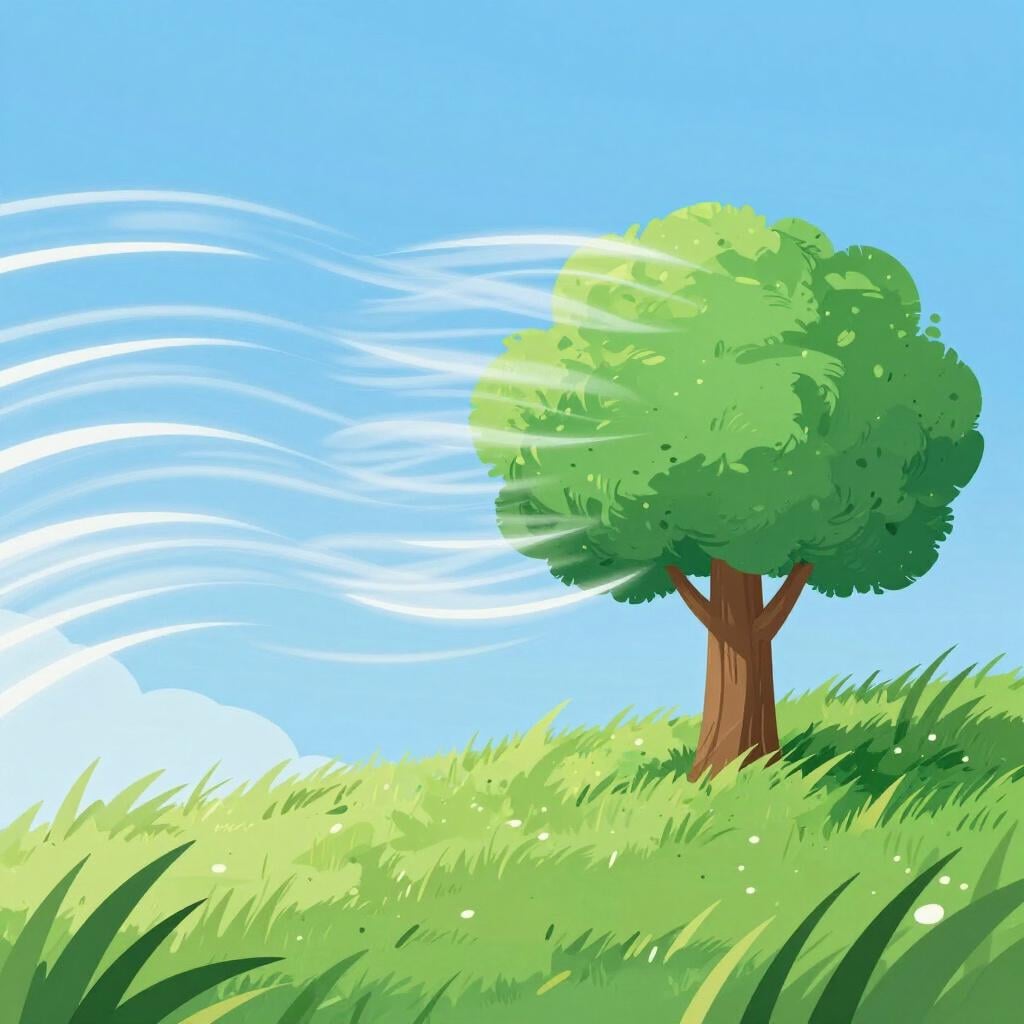
📝 In Action
Una ráfaga de viento se llevó mi sombrero.
A2A gust of wind took my hat.
Las ráfagas de luz de los fuegos artificiales iluminaron el cielo.
B1The bursts of light from the fireworks lit up the sky.
El piloto tuvo problemas para aterrizar debido a las fuertes ráfagas.
B2The pilot had trouble landing due to the strong gusts.
burst
Also: flurry
📝 In Action
Sintió una ráfaga de nostalgia al ver las fotos antiguas.
B2He felt a burst of nostalgia upon seeing the old photos.
El arma disparó una ráfaga de tres balas.
B2The weapon fired a burst of three bullets.
Hubo una ráfaga de preguntas después de la presentación.
C1There was a flurry of questions after the presentation.
Translate to Spanish
Words that translate to "ráfaga" in Spanish:
flurry→✏️ Quick Practice
Quick Quiz: ráfaga
Question 1 of 3
Which of these is the most common use for 'una ráfaga'?
📚 More Resources
👥 Word Family▼
🎵 Rhymes▼
📚 Etymology▼
Likely of imitative origin, meant to mimic the sound of rushing air or a sudden movement. It shares roots with 'racha'.
First recorded: 17th century
Cognates (Related words)
💡 Master Spanish
Take your Spanish to the next level. Read 200+ illustrated and narrated Spanish stories tailored to your level with the Inklingo app!
Frequently Asked Questions
What is the difference between 'viento' and 'ráfaga'?
'Viento' is the general word for wind. 'Ráfaga' is a specific, sudden increase in the wind's speed that lasts only a few seconds.
Can I use 'ráfaga' for a camera?
Yes! In photography, 'modo ráfaga' is 'burst mode,' where the camera takes many photos very quickly.
Is 'racha' the same as 'ráfaga'?
They are very similar. 'Ráfaga' is usually for wind or light, while 'racha' is often used for a period of time (like a 'winning streak' or 'mala racha').