Inklingo

sacarle

/sah-CAHR-leh/

to take out (for him/her/you)

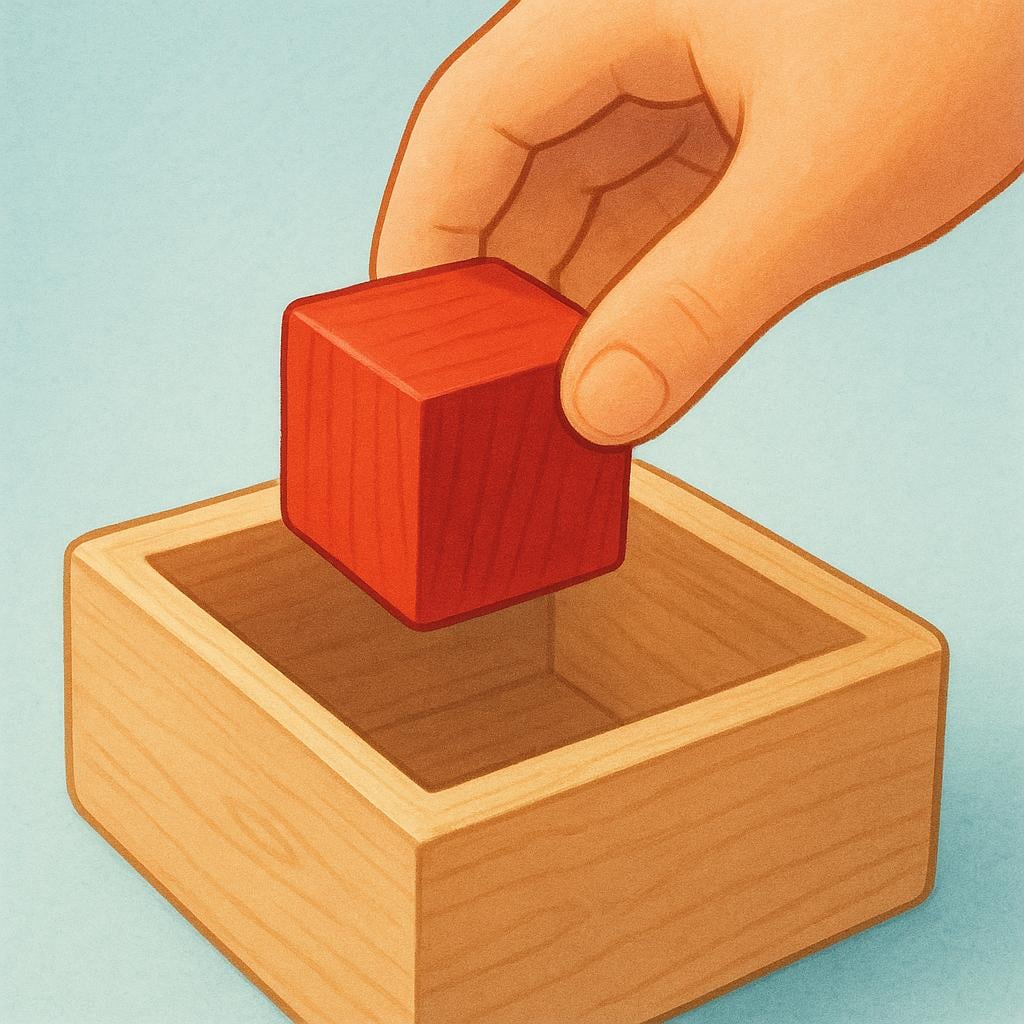
A small child's hand reaching into a wooden toy box and pulling out a bright red building block, illustrating physical removal.

Visualizing sacarle as physical removal: A hand takes a block out of a box.

sacarle(Verb)

A2regular with spelling change (c to qu) ar

to take out (for him/her/you)

?

physical removal

,

to remove (from him/her/you)

?

physical extraction

Also:

to pull (a tooth)

?

medical context

📝 In Action

Tienes que sacarle la espina del pie.

A2

You have to take the thorn out of his foot.

Voy a sacarle el coche del garaje a mi abuela.

B1

I am going to take the car out of the garage for my grandmother.

Word Connections

Synonyms

  • quitarle (to take away (from))
  • remover (to remove)

Common Collocations

  • sacarle la basurato take out the trash (for someone)
  • sacarle un objetoto remove an object (from someone)

💡 Grammar Points

Infinitive + Pronoun

The word 'sacarle' is the base verb 'sacar' with the indirect object pronoun 'le' attached to the end. This is required when the verb is in the infinitive (unconjugated) form.

The Meaning of 'Le'

'Le' tells you who the action is benefiting or affecting. It means 'to him,' 'to her,' 'to formal you (usted),' or 'to it.' Here, it often means 'from' or 'for' that person.

❌ Common Pitfalls

Misplacing the Pronoun

Mistake: "Le voy a sacar el diente."

Correction: Voy a sacarle el diente. (When you use two verbs together, the pronoun can attach to the infinitive or go before the conjugated verb.)

Two simplified figures sitting close together. One person leans in and whispers a secret directly into the other person's ear, illustrating the extraction of information.

Visualizing sacarle when extracting secrets: One person whispers information into another's ear.

sacarle(Verb)

B1regular with spelling change (c to qu) ar

to get out of (someone)

?

information or secrets

,

to elicit (from)

?

a reaction or confession

📝 In Action

Intenté sacarle la verdad, pero no quiso hablar.

B1

I tried to get the truth out of him, but he didn't want to talk.

Es difícil sacarle una sonrisa a mi jefe.

B2

It's difficult to get a smile out of my boss.

Word Connections

Synonyms

  • obtener (to obtain)
  • sonsacar (to coax (a secret))

Common Collocations

  • sacarle un secretoto get a secret out of someone
  • sacarle informaciónto get information from someone

💡 Grammar Points

Figurative Use

Even though you aren't physically 'taking out' something, 'sacar' is used metaphorically for drawing out information, money, or emotional responses from a person.

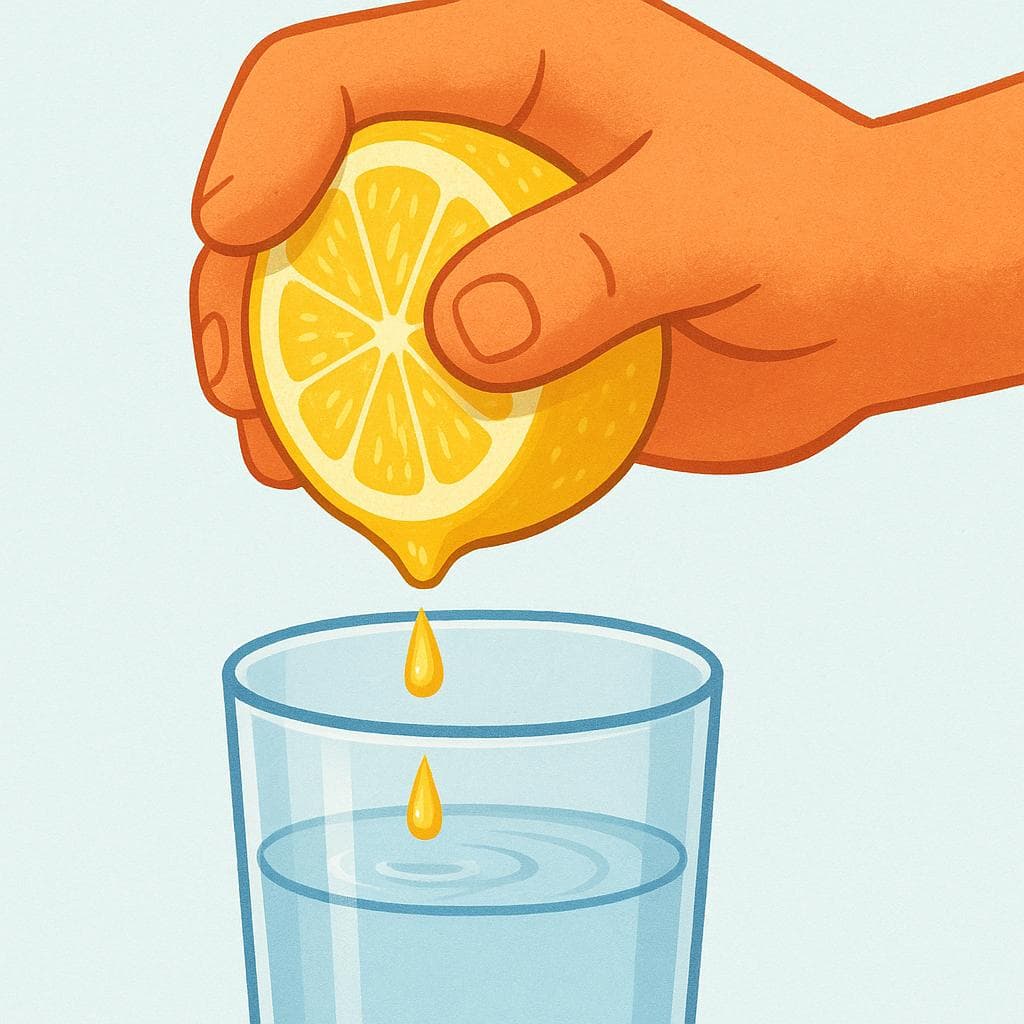
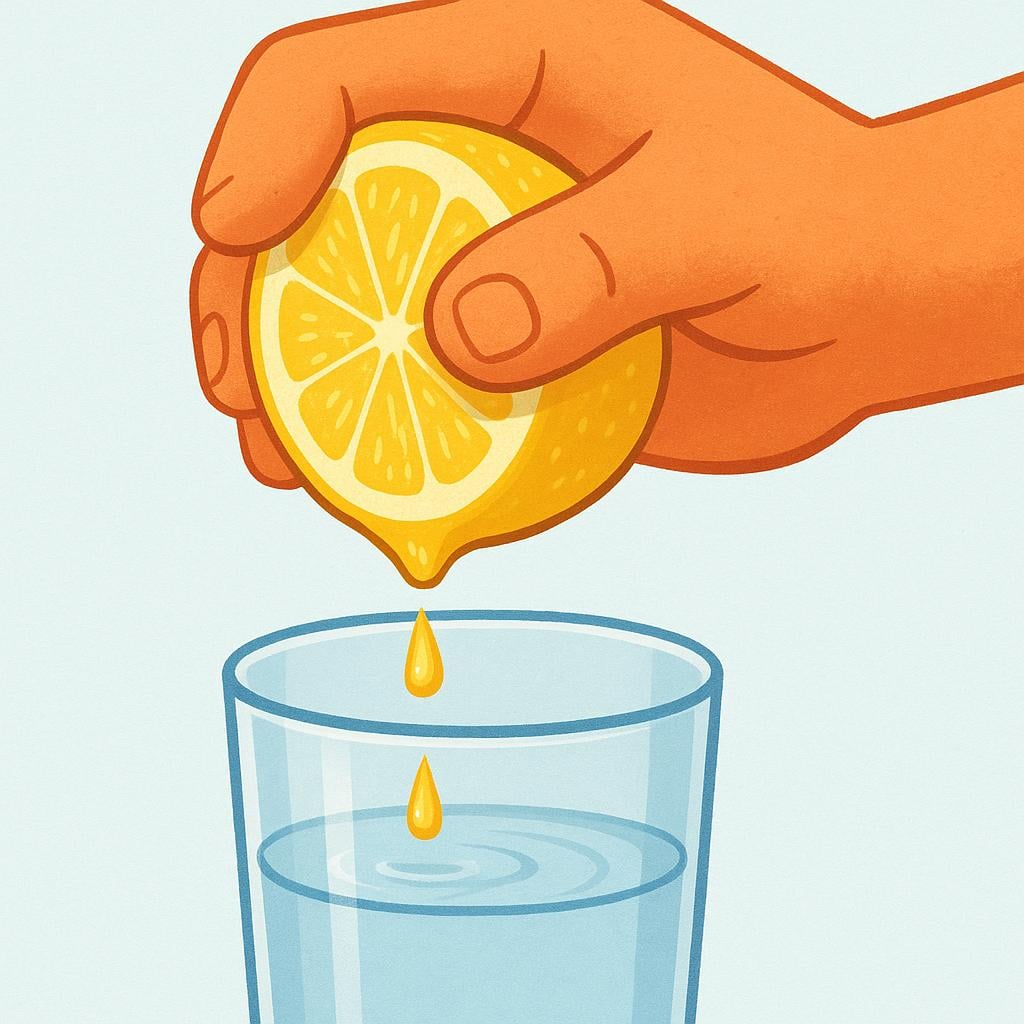
A hand firmly squeezing a halved yellow lemon over a clear glass, showing the final few drops of juice falling into the glass, illustrating making the most of a resource.

Visualizing sacarle as maximizing benefit: Squeezing the last bit of juice out of a lemon.

sacarle(Verb)

B2regular with spelling change (c to qu) ar

to make the most of (it)

?

advantage/benefit

,

to profit from (it)

?

financial or personal gain

📝 In Action

Hay que sacarle provecho a este curso antes de que termine.

B2

We have to get the most benefit out of this course before it ends.

Si trabajamos rápido, podemos sacarle diez minutos al almuerzo.

C1

If we work quickly, we can steal ten minutes for lunch (make the most of the time).

Word Connections

Idioms & Expressions

  • sacarle punta (a algo)to sharpen (a pencil) or to find fault/criticize unfairly
  • sacarle el jugo (a algo)to squeeze the most benefit or enjoyment out of something

⭐ Usage Tips

Use with 'Provecho'

The phrase 'sacarle provecho' is extremely common and means 'to get profit or benefit from something.' The 'le' refers to the thing you are benefiting from (the course, the situation, etc.).

🔄 Conjugations

indicative

present

él/ella/ustedsaca
yosaco
sacas
ellos/ellas/ustedessacan
nosotrossacamos
vosotrossacáis

imperfect

él/ella/ustedsacaba
yosacaba
sacabas
ellos/ellas/ustedessacaban
nosotrossacábamos
vosotrossacabais

preterite

él/ella/ustedsacó
yosaqué
sacaste
ellos/ellas/ustedessacaron
nosotrossacamos
vosotrossacasteis

subjunctive

present

él/ella/ustedsaque
yosaque
saques
ellos/ellas/ustedessaquen
nosotrossaquemos
vosotrossaquéis

imperfect

él/ella/ustedsacara/sacase
yosacara/sacase
sacaras/sacases
ellos/ellas/ustedessacaran/sacasen
nosotrossacáramos/sacásemos
vosotrossacarais/sacaseis

✏️ Quick Practice

💡 Quick Quiz: sacarle

Question 1 of 2

Which sentence correctly uses 'sacarle' to mean 'to obtain information'?

Frequently Asked Questions

Why is the pronoun 'le' attached to the end of the verb?

In Spanish, whenever you use the verb in its base form (the infinitive, like 'sacar'), you must attach any object pronouns ('le', 'lo', 'la', 'me', etc.) directly to the end of the word, forming a single unit like 'sacarle'.

Does 'sacarle' always mean 'to take out for him/her'?

Not always. 'Sacarle' uses the indirect object 'le,' which can mean 'for him/her/you' (benefiting them) OR 'from him/her/you' (affecting them), depending on the context of the verb 'sacar'.