salado
“salado” means “salty” in Spanish. It has 3 different meanings depending on context:
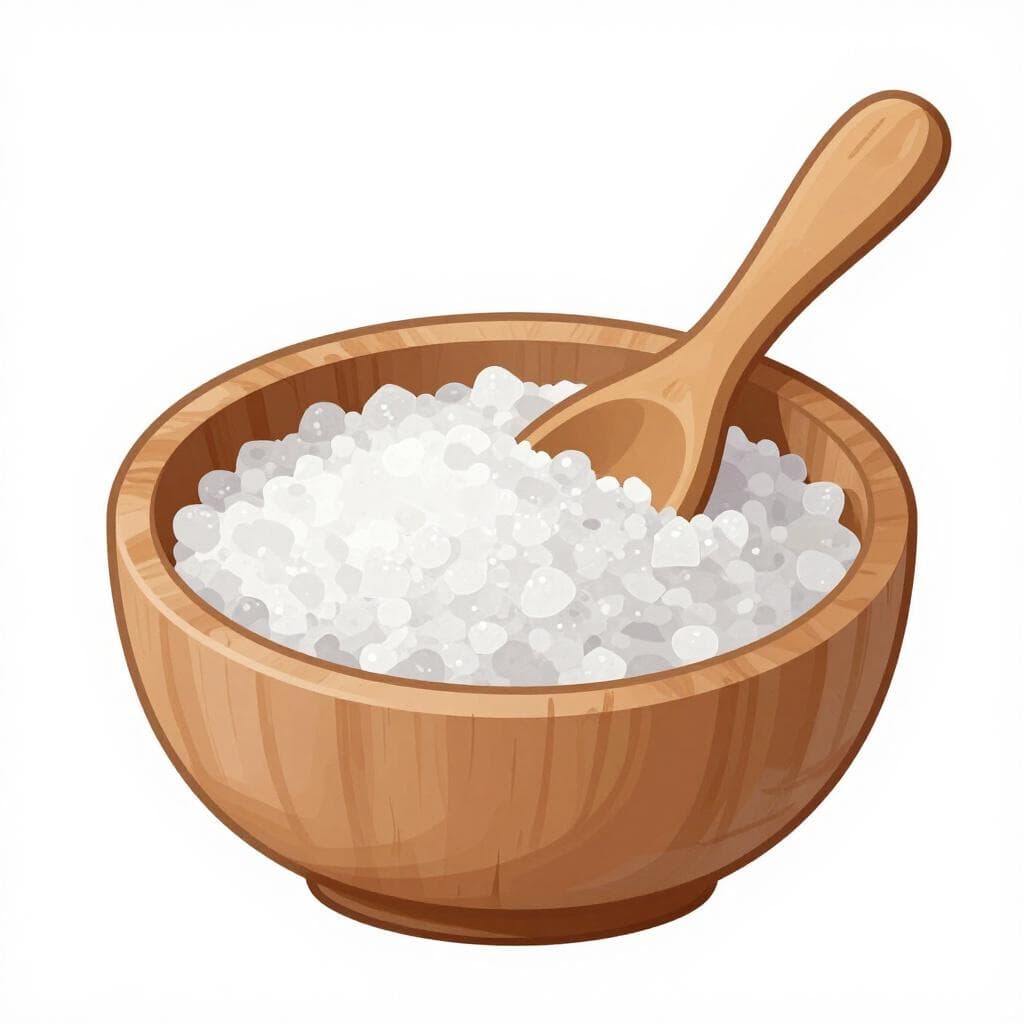


salty
Also: briny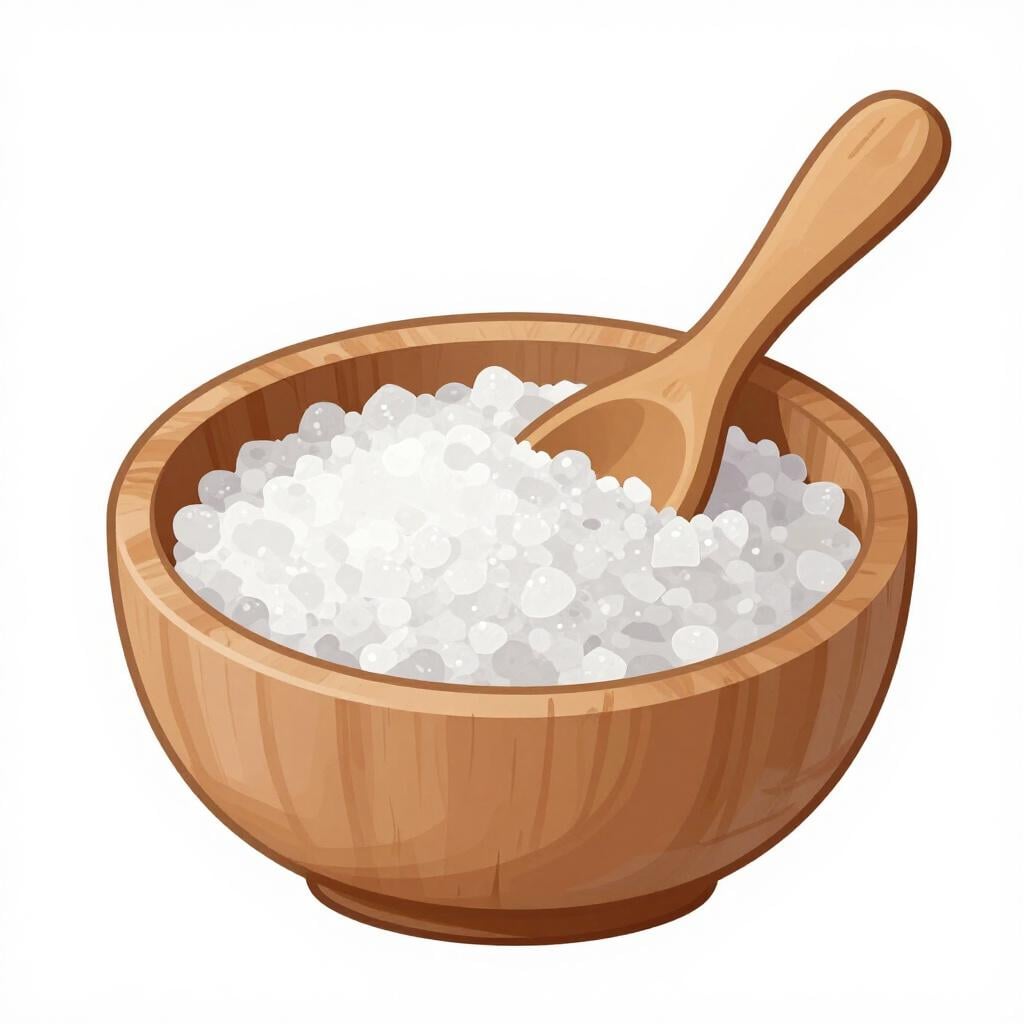
📝 In Action
Esta sopa está muy salada.
A1This soup is very salty.
No me gustan los frutos secos salados.
A2I don't like salty nuts.
El agua del mar es salada.
A1Sea water is salty.
savory
Also: salted
📝 In Action
¿Prefieres un desayuno dulce o uno salado?
A2Do you prefer a sweet or a savory breakfast?
Me encantan los aperitivos salados.
A2I love savory snacks.
Venden pescado salado en el mercado.
B1They sell salted fish at the market.
witty, unlucky

📝 In Action
¡Qué niño tan salado! Me hace mucha gracia.
B1What a witty kid! He's so funny.
Hoy estoy salado, he perdido las llaves dos veces.
B2I'm unlucky today; I've lost my keys twice.
Es un hombre muy salado y siempre cuenta chistes.
B1He is a very charming man and always tells jokes.

Translate to Spanish
✏️ Quick Practice
Quick Quiz: salado
Question 1 of 3
If you are in Spain and someone calls you 'salado', they mean:
📚 More Resources
👥 Word Family▼
📚 Etymology▼
Derived from the Latin word 'sal' meaning salt. The figurative meanings (witty or unlucky) evolved because salt was historically used for both seasoning (wit) and as a symbol of barren earth or bad omens in some cultures.
First recorded: 13th century
Cognates (Related words)
💡 Master Spanish
Take your Spanish to the next level. Read 200+ illustrated and narrated Spanish stories tailored to your level with the Inklingo app!
Frequently Asked Questions
Does 'salado' always mean salty?
Usually, yes, when talking about food. However, it can also mean 'savory' (when compared to sweets) or 'witty/unlucky' when describing people.
What is the opposite of 'salado' for food?
The most common antonym is 'soso' (bland/unsalted) or 'dulce' (sweet).
Is 'salada' a word?
Yes! It is the feminine version. You use 'salada' if the thing you are describing is feminine, like 'la ensalada salada'.