How to Say "salty" in Spanish
The most common Spanish word for “salty” is “salado” — use 'salado' when describing food that contains too much salt.
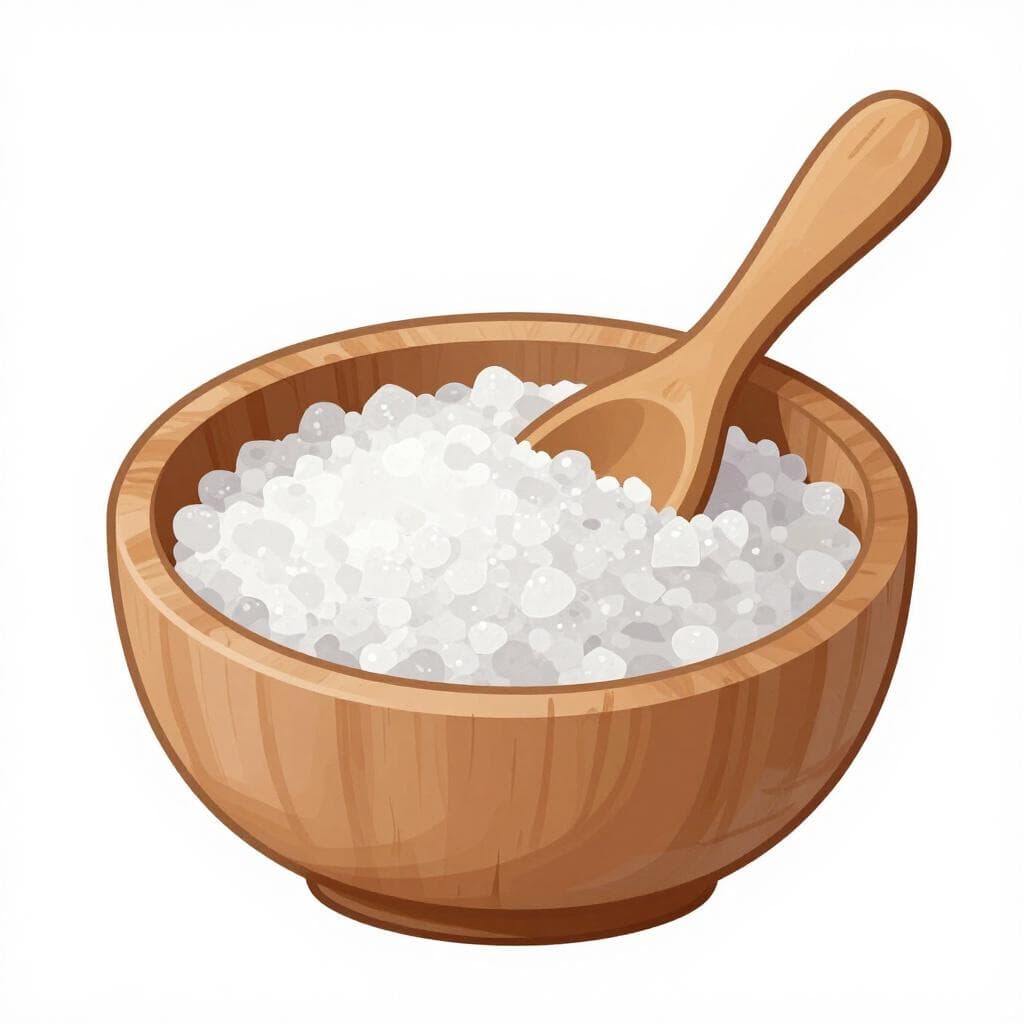

salado
sah-LAH-dohsaˈlaðo

Examples
Esta sopa está muy salada.
This soup is very salty.
No me gustan los frutos secos salados.
I don't like salty nuts.
El agua del mar es salada.
Sea water is salty.
Using with 'Estar'
When describing food that currently tastes salty, use 'estar'. If you use 'ser', you are describing the general nature of the food (e.g., 'El mar es salado').
Gender Matching
The word must change to 'salada' when describing feminine things, like 'la comida' or 'la sopa'.
Salty vs. Spicy
Mistake: “Using 'salado' when food is hot/spicy.”
Correction: Use 'picante' for spicy heat. 'Salado' only refers to salt content.
picado
pee-KAH-dohpiˈkaðo

Examples
Se quedó picado porque perdió el partido de tenis.
He was annoyed because he lost the tennis match.
No te pongas picada, solo era una broma.
Don't get upset, it was just a joke.
Feeling vs. Being
Use 'estar' or 'quedarse' with this meaning because it describes a temporary mood or reaction to something that happened.
Taste vs. Feeling
Learn Spanish with Inklingo
Interactive stories, personalized learning, and more.