salmón
“salmón” means “salmon” in Spanish. It has 2 different meanings depending on context:
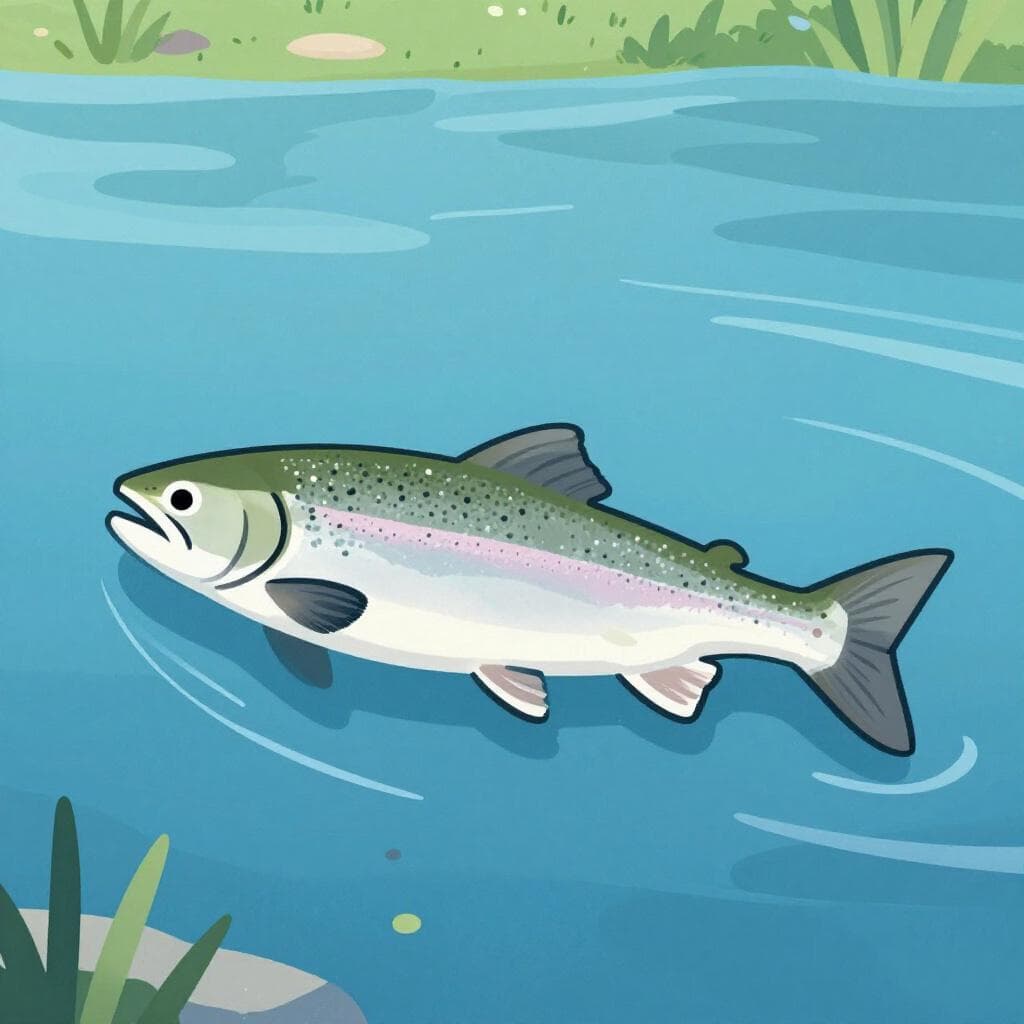

salmon
📝 In Action
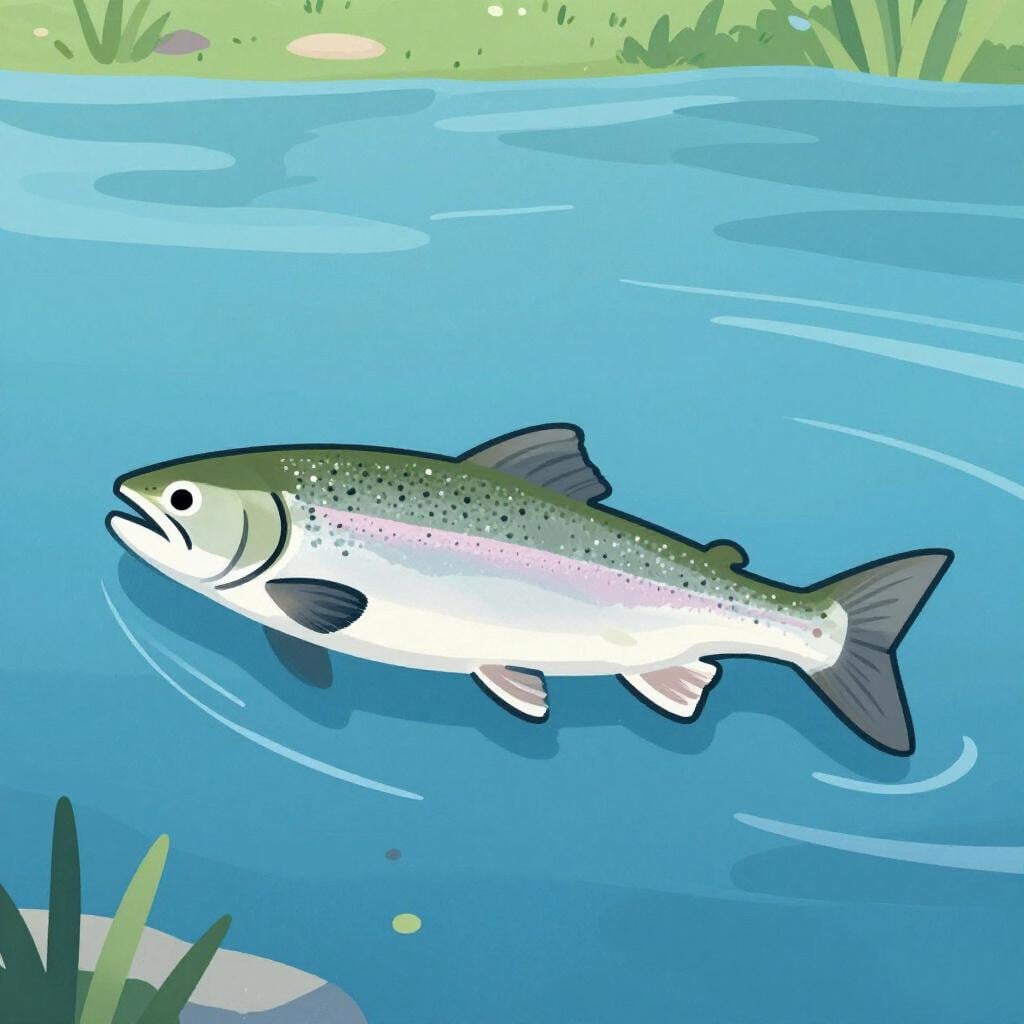
El salmón nada río arriba para poner sus huevos.
A2The salmon swims upriver to lay its eggs.
Voy a pedir salmón a la plancha con verduras.
A1I'm going to order grilled salmon with vegetables.
El salmón ahumado es delicioso en el desayuno.
A2Smoked salmon is delicious for breakfast.
Word Connections
salmon-coloredAlso: salmon pink

📝 In Action
Ella lleva un vestido salmón precioso.
A2She is wearing a beautiful salmon-colored dress.
Pintaron las paredes de un tono salmón suave.
B1They painted the walls a soft salmon tone.
Word Connections
Vocabulary Collections
Translate to Spanish
Words that translate to "salmón" in Spanish:
✏️ Quick Practice
Quick Quiz: salmón
Question 1 of 2
If you want to describe several shirts as being salmon-colored, what is the most natural way to say it?
📚 More Resources
👥 Word Family
🎵 Rhymes
📚 Etymology
From the Latin word 'salmo', which researchers believe comes from 'salire' (to leap), because salmon are known for jumping over obstacles in rivers.
First recorded: 13th century
Cognates (Related words)
💡 Master Spanish
Take your Spanish to the next level. Read 200+ illustrated and narrated Spanish stories tailored to your level with the Inklingo app!
Frequently Asked Questions
Does 'salmón' have a feminine form?
No. The word is always masculine ('el salmón'). If you need to specify it's a female fish, you use 'el salmón hembra'.
Why does 'salmón' have an accent mark?
In Spanish, words that end in 'n', 's', or a vowel and are stressed on the final syllable must have an accent mark. Without it, the stress would wrongly fall on the first syllable.