salvado
“salvado” means “saved” in Spanish. It has 2 different meanings depending on context:

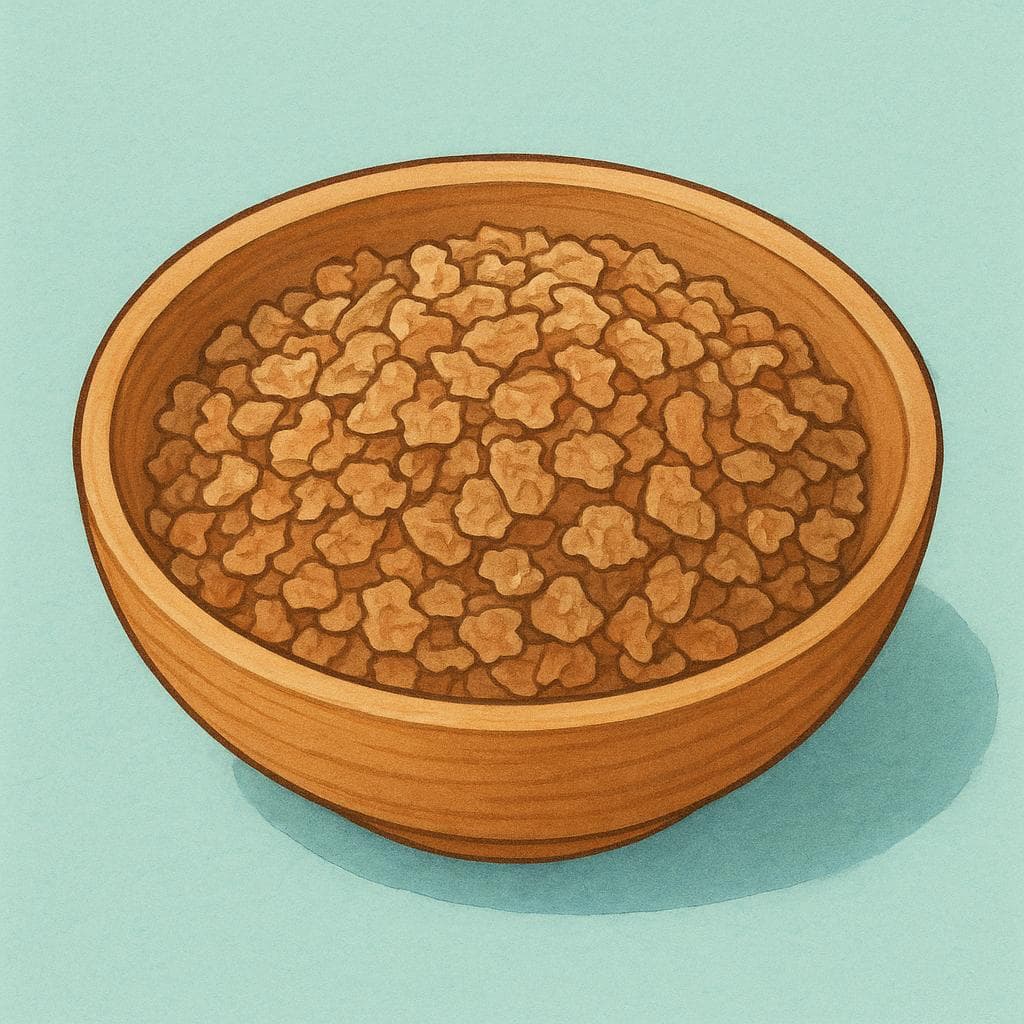
saved, rescuedAlso: stored, safe

📝 In Action
El excursionista perdido fue salvado justo a tiempo.
A2The lost hiker was saved just in time.
La contraseña está salvada en mi navegador.
B1The password is saved in my browser.
Las familias estaban salvadas después del huracán.
B2The families were safe after the hurricane.
Word Connections
branAlso: husk
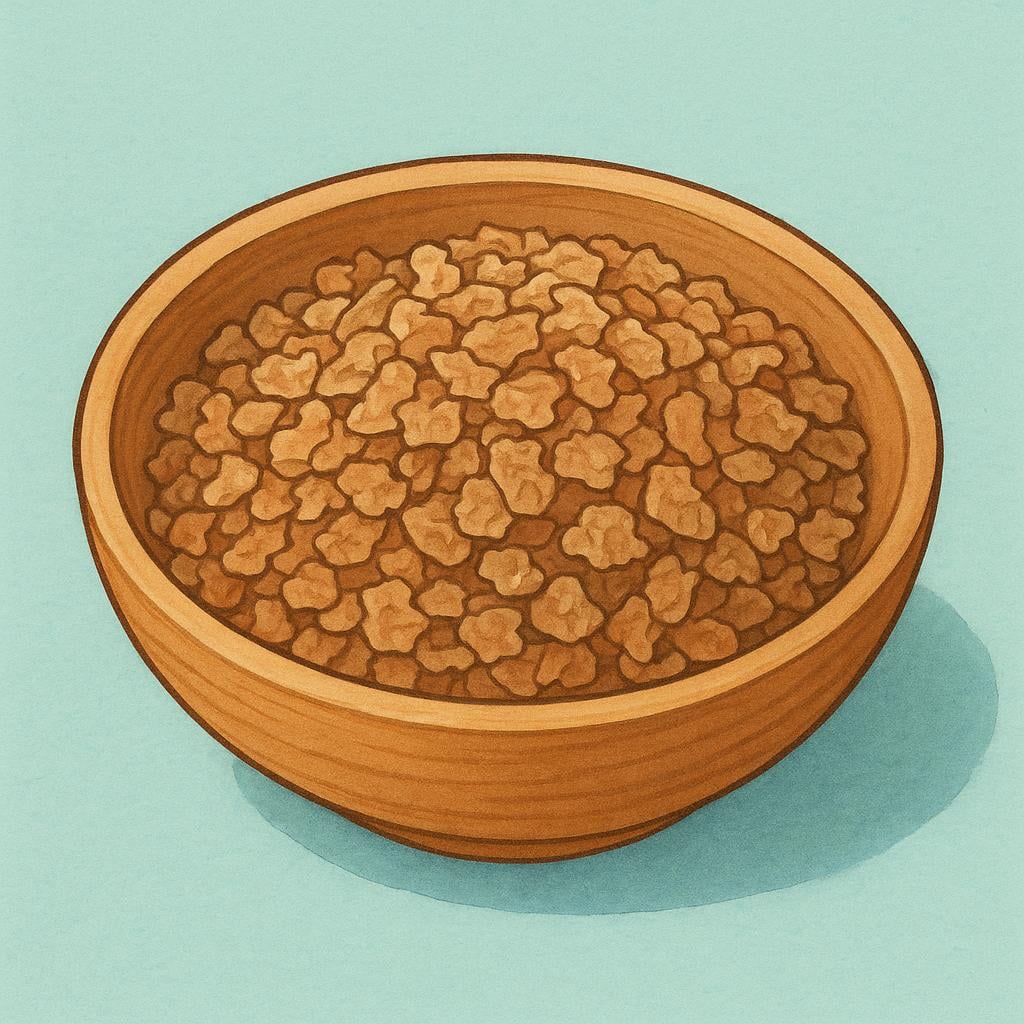
📝 In Action
El salvado de avena es muy bueno para la digestión.
B1Oat bran is very good for digestion.
Necesitamos añadir un poco de salvado a la masa del pan.
B2We need to add a bit of bran to the bread dough.
Word Connections
✏️ Quick Practice
Quick Quiz: salvado
Question 1 of 2
Which sentence uses 'salvado' as an adjective meaning 'saved'?
📚 More Resources
👥 Word Family
📚 Etymology
The word 'salvado' comes from the Latin verb *salvare*, meaning 'to save' or 'to make safe.' The noun meaning ('bran') likely comes from the concept of separating or 'saving' the valuable outer layer of the grain during milling.
First recorded: 13th century
Cognates (Related words)
💡 Master Spanish
Take your Spanish to the next level. Read 200+ illustrated and narrated Spanish stories tailored to your level with the Inklingo app!
Frequently Asked Questions
Is 'salvado' an adjective or a verb?
It's both! It is the past participle of the verb 'salvar' (to save), which means it can be used as an adjective (meaning 'saved') and to form perfect tenses (e.g., 'he salvado' - I have saved).
How do I know if 'salvado' means 'bran' or 'saved'?
Context is key. If you see 'el salvado de...' or hear it mentioned in relation to food, fiber, or cereal, it means 'bran'. If it's used with 'ser' or 'estar' (like 'fue salvado'), it means 'saved' or 'rescued'.