Inklingo

sana

/SAH-nah/

healthy

A joyful girl with rosy cheeks holding a bright red apple and showing off her strong arm muscle, illustrating physical wellness.

A person who is physically well is "sana" (healthy).

sana(Adjective)

fA2

healthy

?

physically well

Also:

sound

?

mentally or morally correct

,

whole

?

undamaged or intact

📝 In Action

La fruta que compraste está sana y fresca.

A2

The fruit you bought is whole and fresh.

Mi abuela sigue sana a los 90 años.

A2

My grandmother is still healthy at 90 years old.

Necesitas una dieta sana para tener energía.

B1

You need a healthy diet to have energy.

Word Connections

Synonyms

Antonyms

Common Collocations

  • mente sanasound mind
  • vida sanahealthy life

💡 Grammar Points

Feminine Form

As an adjective, 'sana' is the feminine form. Always make sure the ending matches the thing you are describing: 'una persona sana' (a healthy person), but 'un cuerpo sano' (a healthy body).

❌ Common Pitfalls

Using the wrong gender

Mistake: "El agua está sana. (Water is healthy.)"

Correction: El agua está sana. (This is a trick! Even though 'agua' starts with 'a,' it is a masculine noun, but you still use 'sana' because of the way the words flow together, but generally, use 'sano' for masculine words.)

⭐ Usage Tips

Feeling Well

Use 'estar sana' (to be healthy/well right now) when talking about temporary health, like recovery from an illness: 'Ya estoy sana.' (I'm healthy now.)

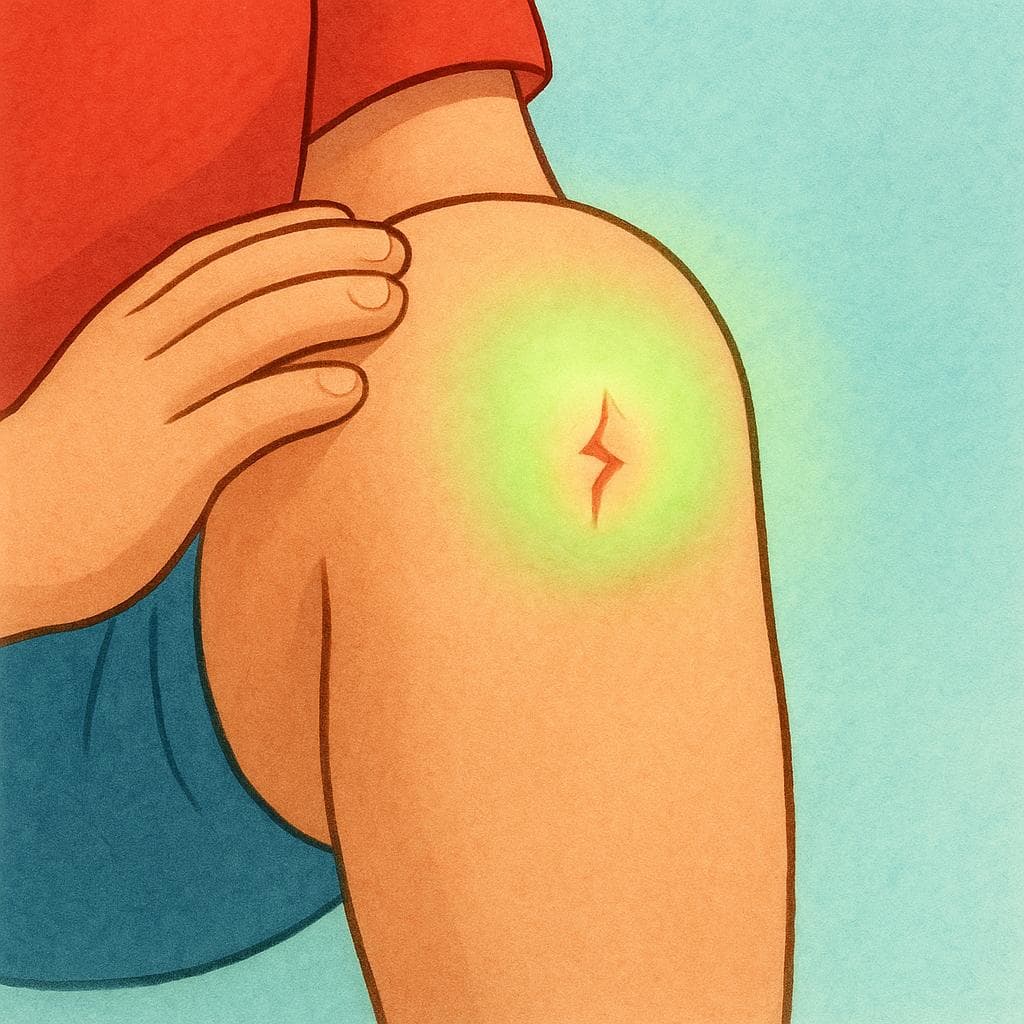
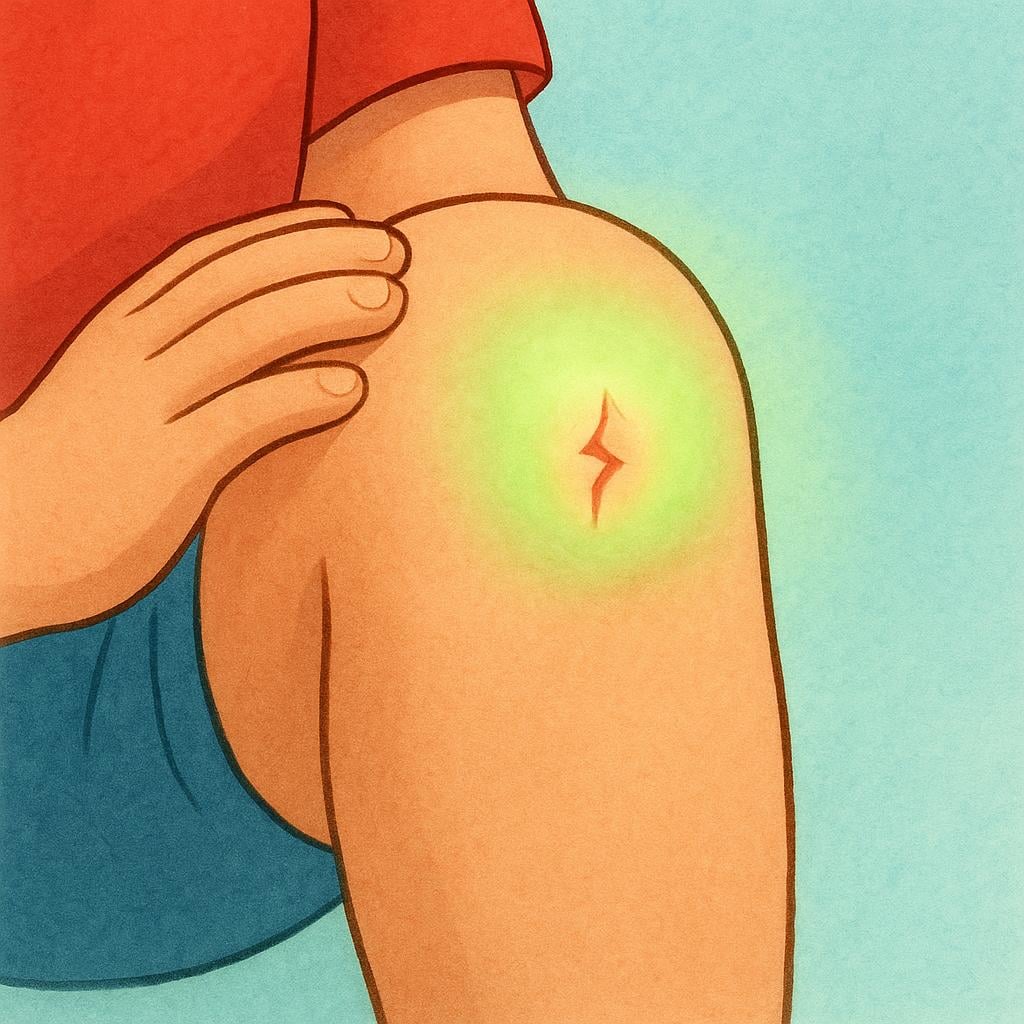
A close-up of a small, jagged cut on a child's knee visibly closing and disappearing, symbolizing the healing process.

When a wound mends, it "sana" (heals).

sana(Verb)

B1regular ar

heals

?

he/she/it heals (present tense)

,

heal!

?

informal command (tú)

Also:

cures

?

3rd person singular

📝 In Action

Mi doctor dice que la herida sana lentamente.

B1

My doctor says the wound is healing slowly.

¡Sana tu corazón después de la ruptura!

B1

Heal your heart after the breakup!

Usted sana a mucha gente con su trabajo.

B2

You (formal) heal a lot of people with your work.

Word Connections

Synonyms

Common Collocations

  • sana la pielit heals the skin
  • sana las heridasit heals the wounds

Idioms & Expressions

  • El tiempo todo lo sana.Time heals all wounds.

💡 Grammar Points

Two Uses of 'Sana'

The form 'sana' is used in two ways: 1) To say that 'he/she/it' or 'you (formal)' is doing the healing (present tense), or 2) To give an informal command to a friend: '¡Sana!' (Heal!).

❌ Common Pitfalls

Confusing the command

Mistake: "No sana la herida. (Don't heal the wound.)"

Correction: No sanes la herida. (When giving a negative command to a friend, the verb form changes. Use 'sanes,' not 'sana'.)

⭐ Usage Tips

Focus on the Result

'Sanar' often focuses on the process of becoming healthy or whole again, rather than just treating symptoms.

🔄 Conjugations

indicative

present

él/ella/ustedsana
yosano
sanas
ellos/ellas/ustedessanan
nosotrossanamos
vosotrossanáis

imperfect

él/ella/ustedsanaba
yosanaba
sanabas
ellos/ellas/ustedessanaban
nosotrossanábamos
vosotrossanabais

preterite

él/ella/ustedsanó
yosané
sanaste
ellos/ellas/ustedessanaron
nosotrossanamos
vosotrossanasteis

subjunctive

present

él/ella/ustedsane
yosane
sanes
ellos/ellas/ustedessanen
nosotrossanemos
vosotrossanéis

imperfect

él/ella/ustedsanara
yosanara
sanaras
ellos/ellas/ustedessanaran
nosotrossanáramos
vosotrossanarais

✏️ Quick Practice

💡 Quick Quiz: sana

Question 1 of 2

Which sentence uses 'sana' as a verb (an action)?

📚 More Resources

Word Family

sano(healthy (masculine)) - adjective

Frequently Asked Questions

Why is 'sana' sometimes a description and sometimes an action?

'Sana' is a very useful word because it serves two roles. As a description (adjective), it means 'healthy' or 'sound' (feminine). As an action (verb), it is the form for 'he/she/it heals' or the informal command 'Heal!' The context of the sentence will always tell you which meaning is being used.

What is the difference between 'sana' and 'sano'?

They mean the same thing ('healthy'), but 'sana' is used for feminine things (la vida sana) and 'sano' is used for masculine things (el cuerpo sano). They are also the first-person singular forms of the verb 'sanar' (I heal), respectively, but 'sano' is the more common verb form.