sandwich
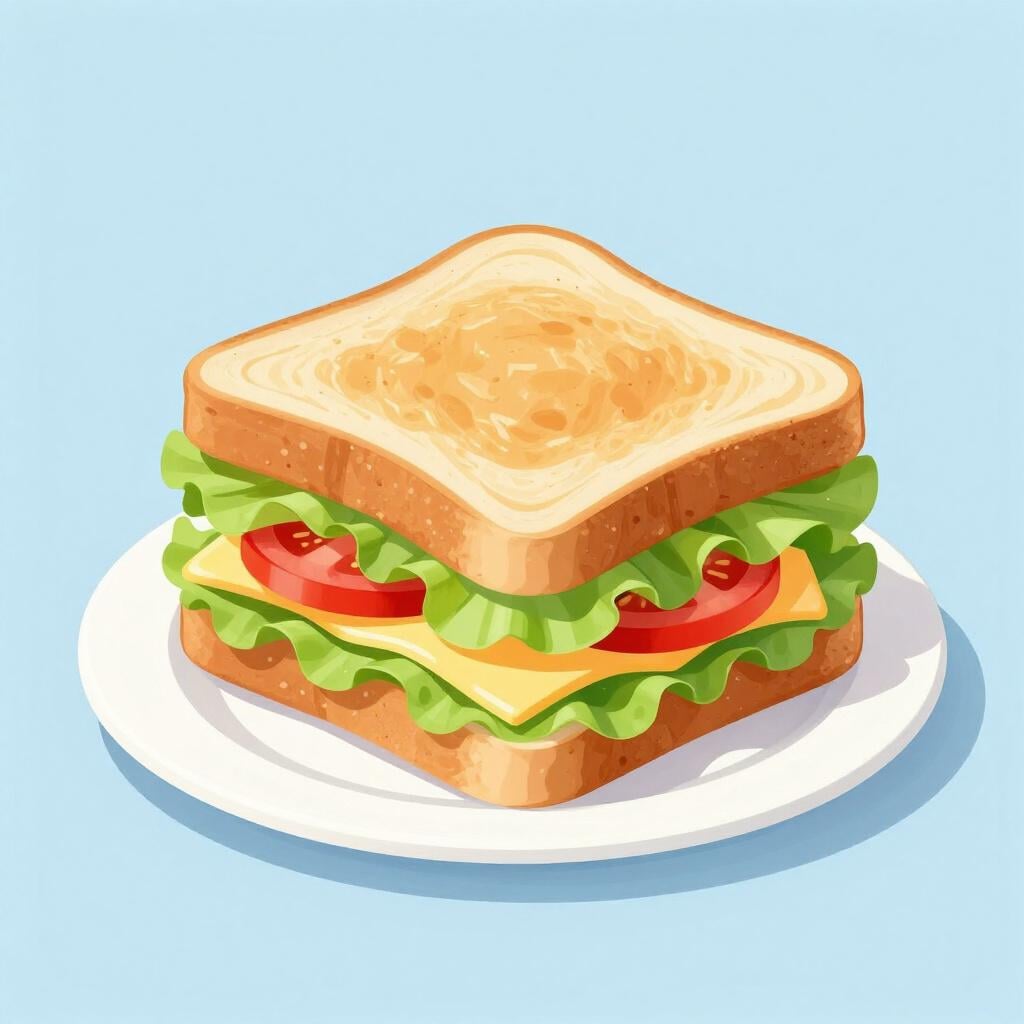
“sandwich” means “sandwich” in Spanish (food made with sliced bread).
sandwichAlso: snack
📝 In Action
Quiero un sandwich de jamón y queso para el almuerzo.
A1I want a ham and cheese sandwich for lunch.
Ella prefiere el sandwich con pan integral.
A1She prefers the sandwich with whole wheat bread.
No tengo mucha hambre, solo comeré un sandwich pequeño.
A2I'm not very hungry, I'll just eat a small sandwich.
Word Connections
✏️ Quick Practice
Quick Quiz: sandwich
Question 1 of 2
What is the correct way to write more than one 'sándwich' in Spanish?
📚 More Resources
👥 Word Family
📚 Etymology
Borrowed directly from English. The name comes from the 4th Earl of Sandwich, who reportedly asked for meat between slices of bread so he could eat while playing cards without getting his hands greasy.
First recorded: Early 20th century in Spanish literature.
Cognates (Related words)
💡 Master Spanish
Take your Spanish to the next level. Read 200+ illustrated and narrated Spanish stories tailored to your level with the Inklingo app!
Frequently Asked Questions
Do I always have to use the accent when writing it?
Yes, in correct Spanish writing, it should be 'sándwich' with an accent on the 'a'. However, many people forget it in casual texts.
Is 'emparedado' the same thing?
Yes, it is the 'pure' Spanish word for sandwich, but it sounds a bit old-fashioned or very formal today. 'Sándwich' is much more common in daily life.