How to Say "snack" in Spanish
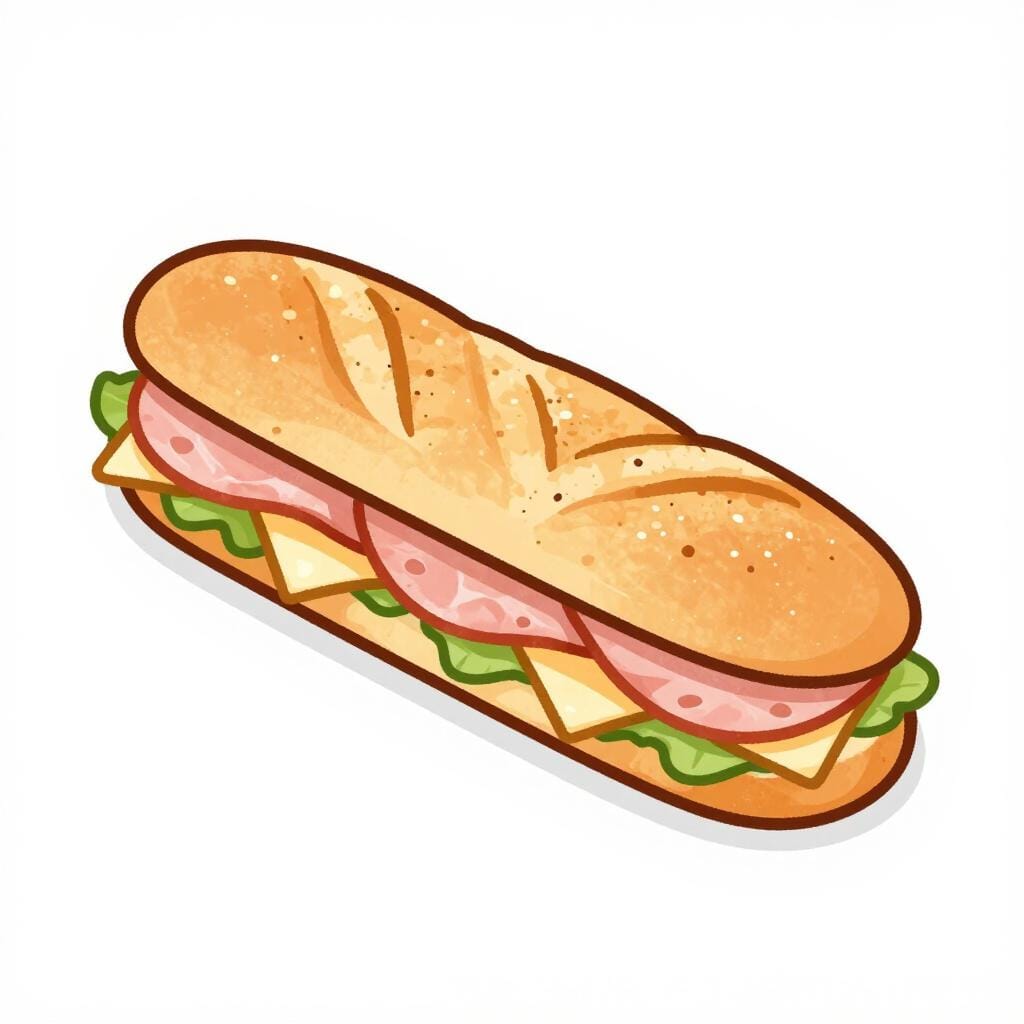
The most common Spanish word for “snack” is “bocadillo” — use 'bocadillo' for a sandwich-like item, often made with bread and fillings, eaten as a light meal between main courses.
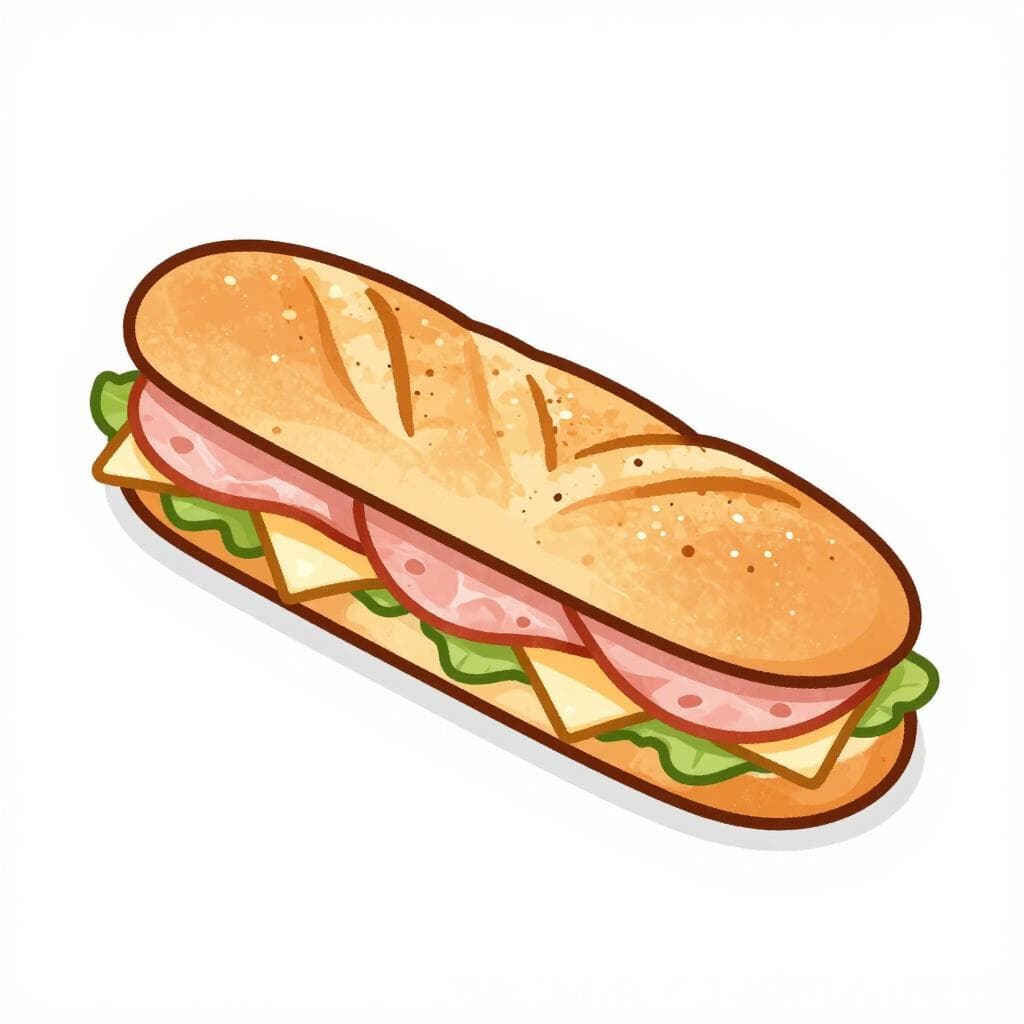


bocadillo
bo-ka-dee-yobokaˈdiʝo
Examples
Quiero un bocadillo de jamón y queso para almorzar.
I want a ham and cheese sandwich for lunch.
Siempre llevo un bocadillo en la mochila cuando voy a la montaña.
I always carry a sandwich in my backpack when I go to the mountains.
El bocadillo de calamares es la comida más famosa de las plazas de Madrid.
The squid sandwich is the most famous food in Madrid's squares.
Describing Fillings
To say what is inside the sandwich, use the word 'de' (of). For example: 'un bocadillo DE pollo' (a chicken sandwich).
Bocadillo vs. Sándwich
In Spain, 'bocadillo' is for crusty baguette bread, while 'sándwich' is only used for soft, sliced white bread (like sliced loaf bread).
The Bread Trap
Mistake: “Asking for a 'bocadillo' and expecting square sliced bread.”
Correction: Ask for a 'sándwich' (using the English word with a Spanish accent) if you want soft sliced bread.
sandwich
SAHN-dweetchˈsandwitʃ

Examples
Quiero un sandwich de jamón y queso para el almuerzo.
I want a ham and cheese sandwich for lunch.
Ella prefiere el sandwich con pan integral.
She prefers the sandwich with whole wheat bread.
No tengo mucha hambre, solo comeré un sandwich pequeño.
I'm not very hungry, I'll just eat a small sandwich.
Spelling and Accents
In formal writing, Spanish adds an accent to make it 'sándwich'. This helps you know to emphasize the first part of the word (SAN-dweetch).
Making it Plural
When you have more than one, you add '-es' at the end to get 'sándwiches'. This is different from English, which just adds 's'.
The Plural 'S'
Mistake: “Dos sandwichs.”
Correction: Dos sándwiches.
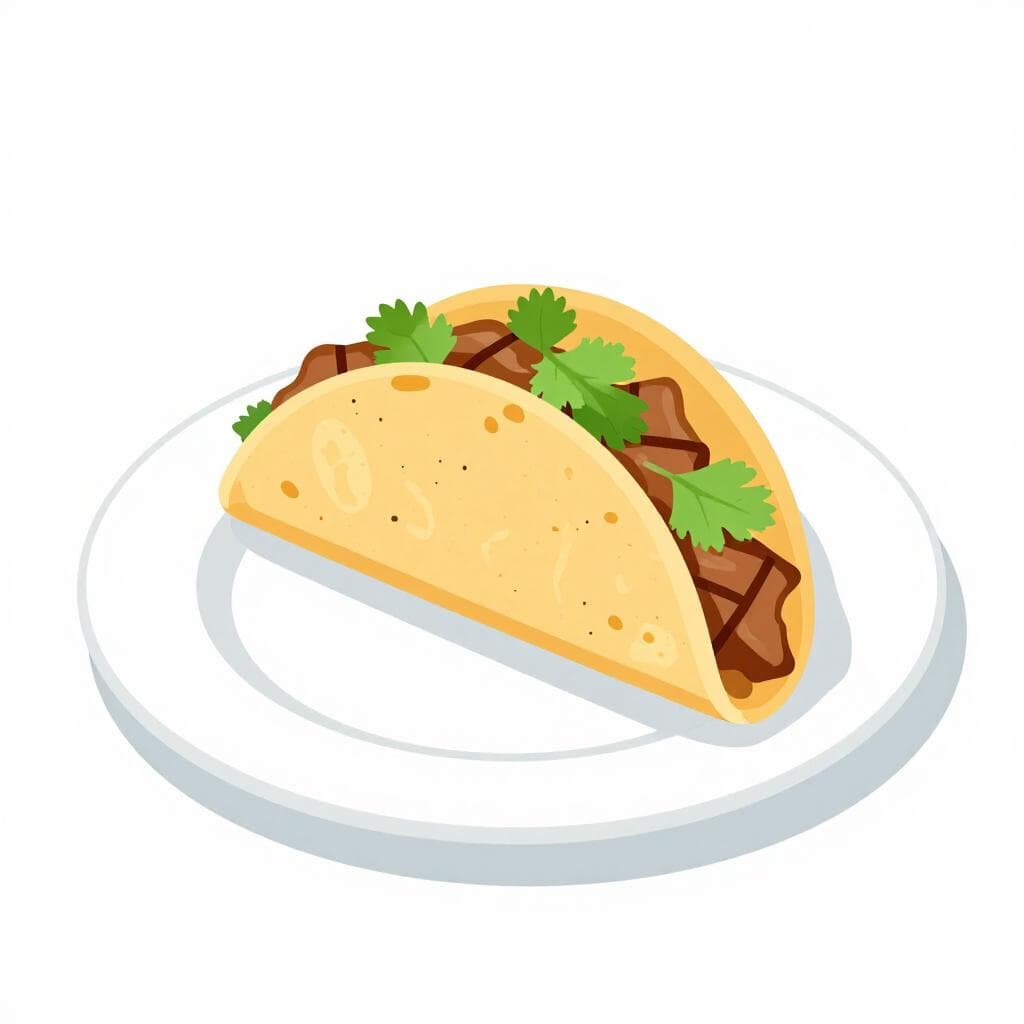
taco
tah-kohˈtako
Examples
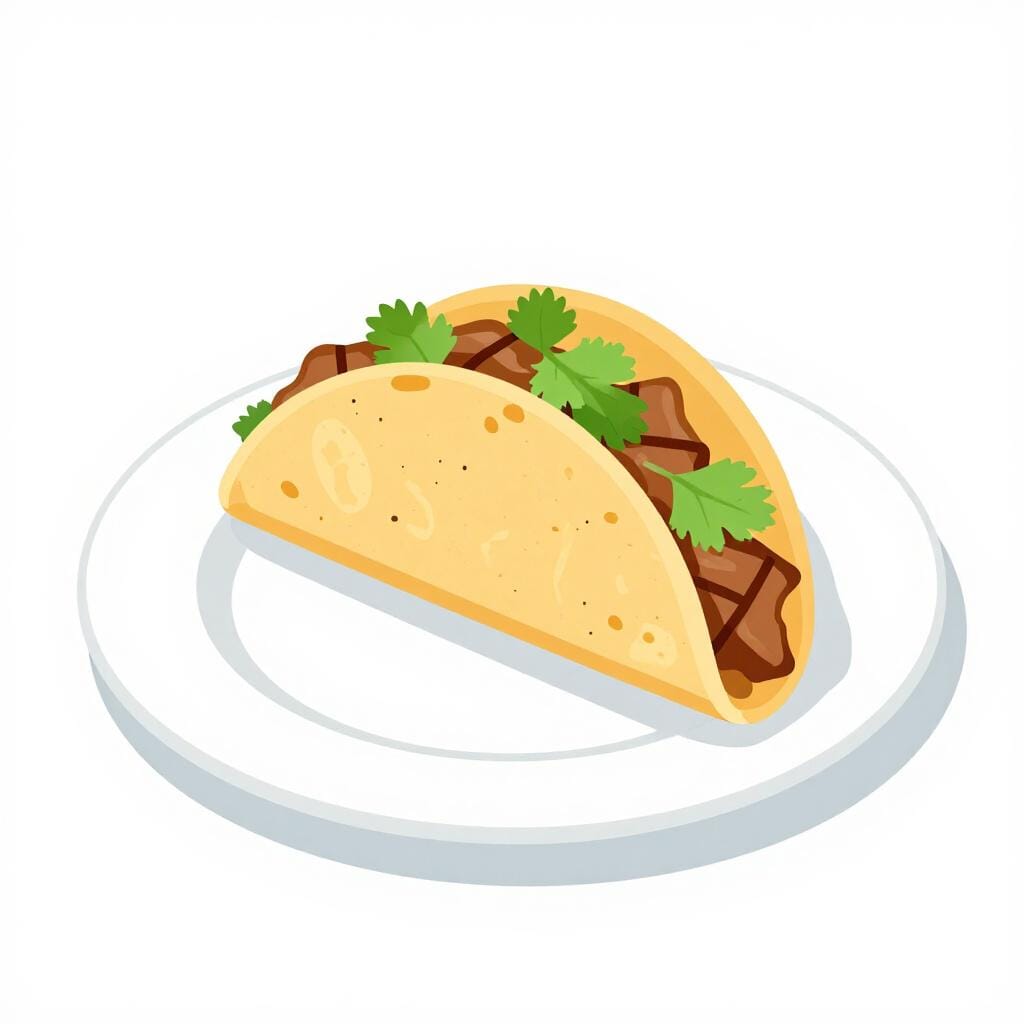
Quiero tres tacos de carne asada con salsa verde.
I want three grilled meat tacos with green salsa.
En México, el taco es la comida más famosa.
In Mexico, the taco is the most famous food.
Gender of Food
'Taco' is masculine, so use 'el' or 'un'. If you are ordering more than one, it becomes 'los tacos'.
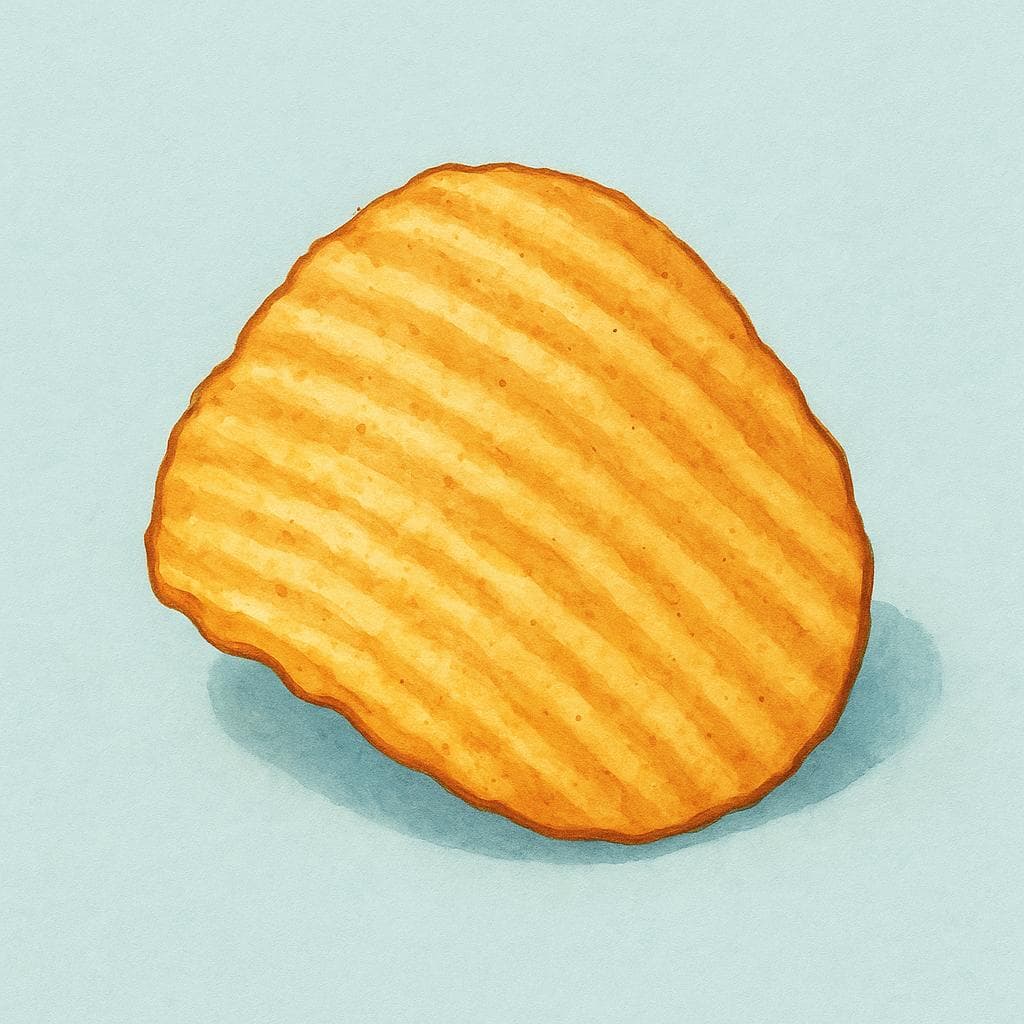
chip
chiptʃip
Examples
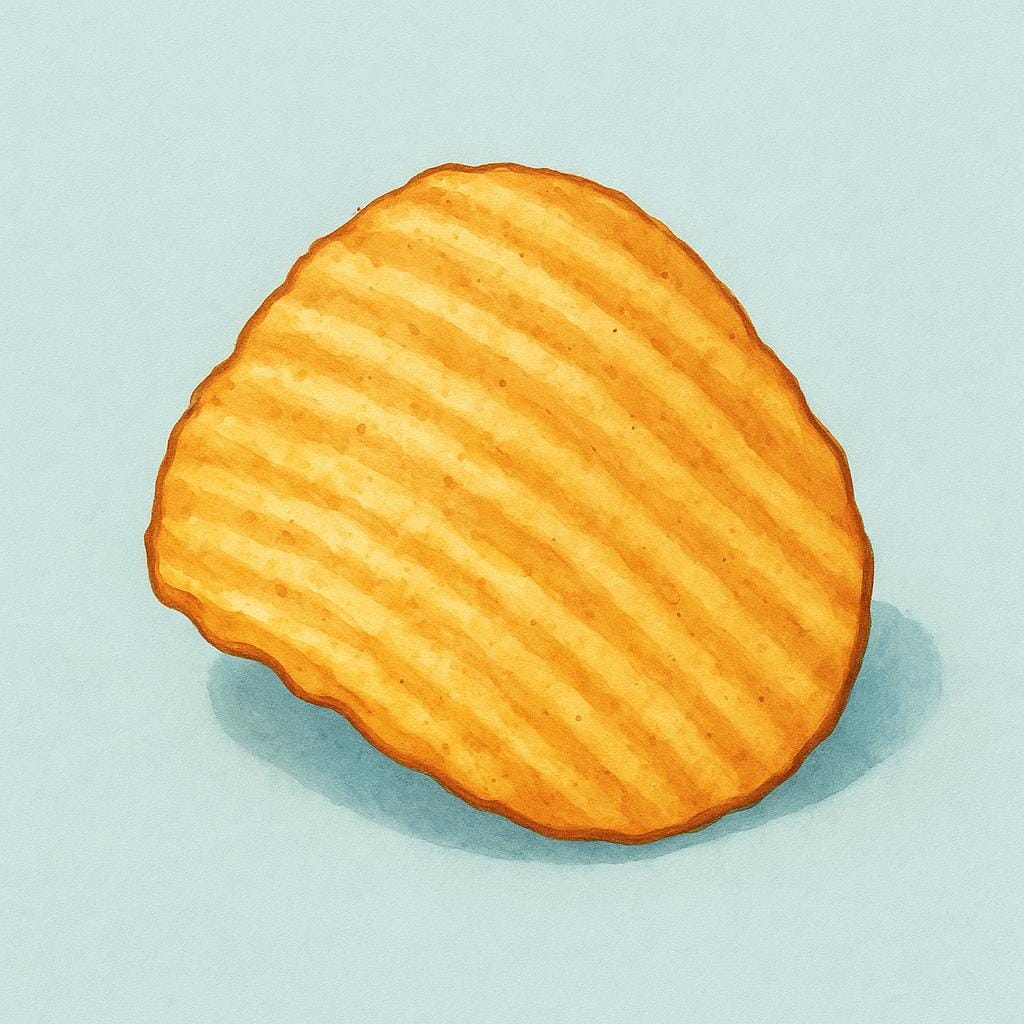
Compramos una bolsa de chips para ver la película.
We bought a bag of chips (crisps) to watch the movie.
No comas tantos chips antes de la cena.
Don't eat so many chips before dinner.
Plural Form
The plural form is often 'chips' (keeping the English plural), but sometimes you will hear 'los chip' when referring to a collective amount.
Confusing fries and crisps
Mistake: “Using 'chips' to mean French fries in Spain.”
Correction: In Spain, 'chips' almost always means potato crisps/snacks. For French fries, use 'patatas fritas' (Spain) or 'papas a la francesa' (Latin America).
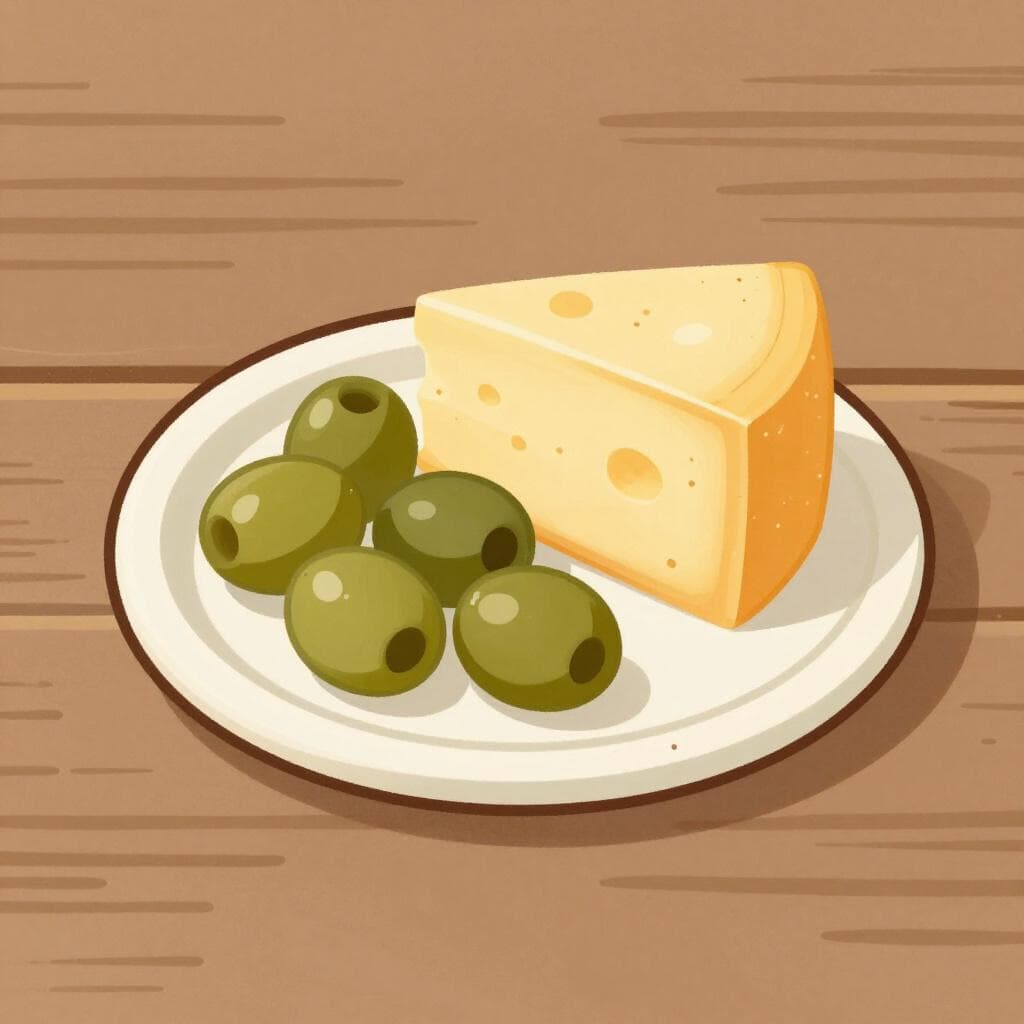
aperitivo
ah-peh-ree-TEE-bohapeɾiˈtiβo
Examples
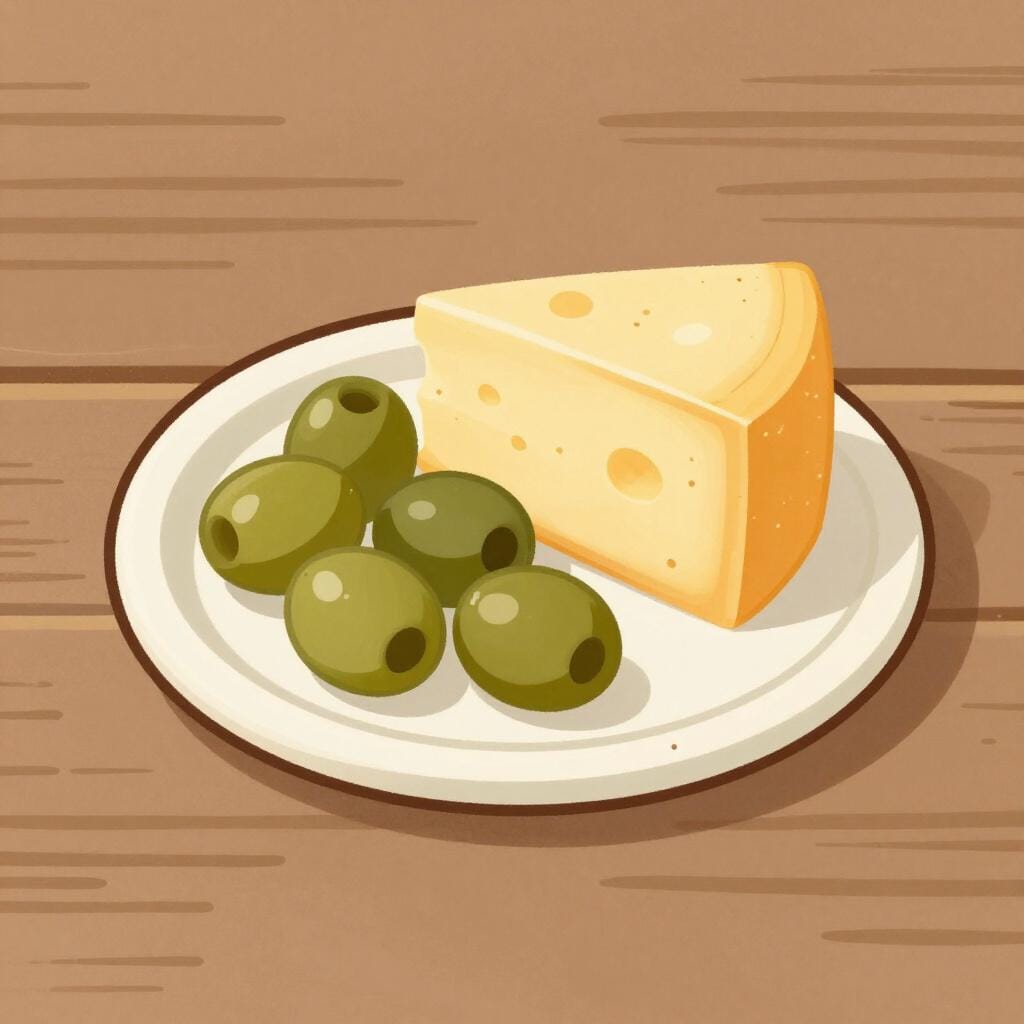
Antes de la cena, tomamos un aperitivo en la terraza.
Before dinner, we had an appetizer on the terrace.
Me encanta el vermut como aperitivo.
I love vermouth as a pre-dinner drink.
El camarero sirvió unos frutos secos de aperitivo.
The waiter served some nuts as an appetizer.
Using 'de' for Purpose
When you want to say something is 'as' or 'for' an appetizer, use 'de'. For example: 'aceitunas de aperitivo' means 'olives as an appetizer'.
The Social 'El'
In Spain, 'el aperitivo' often refers to the specific social event of meeting friends for a drink before lunch, not just the food itself.
Don't confuse with 'Starter'
Mistake: “Using 'aperitivo' for a large first course at a dinner table.”
Correction: Use 'primer plato' or 'entrante' for a formal first course; 'aperitivo' is usually smaller and often eaten while standing or at a bar.
bocado
bo-KAH-doboˈkaðo

Examples
Dale un bocado a la manzana.
Take a bite of the apple.
No he probado bocado en todo el día.
I haven't eaten a single bite all day.
Este postre es un bocado delicioso.
This dessert is a delicious morsel.
Using 'de' with bocado
Just like in English we say 'a bite OF something,' in Spanish we use 'un bocado DE [algo].'
Always Masculine
Even if you are eating a 'manzana' (feminine), the word 'bocado' stays masculine: 'un bocado de manzana.'
Bocado vs. Mordisco
Mistake: “Using 'bocado' to describe a dog bite.”
Correction: Use 'mordisco' for the physical act or injury of a bite. Use 'bocado' for the amount of food you are eating.
Bocadillo vs. Sandwich
Related Translations
Learn Spanish with Inklingo
Interactive stories, personalized learning, and more.