sentimental
“sentimental” means “sentimental” in Spanish. It has 2 different meanings depending on context:
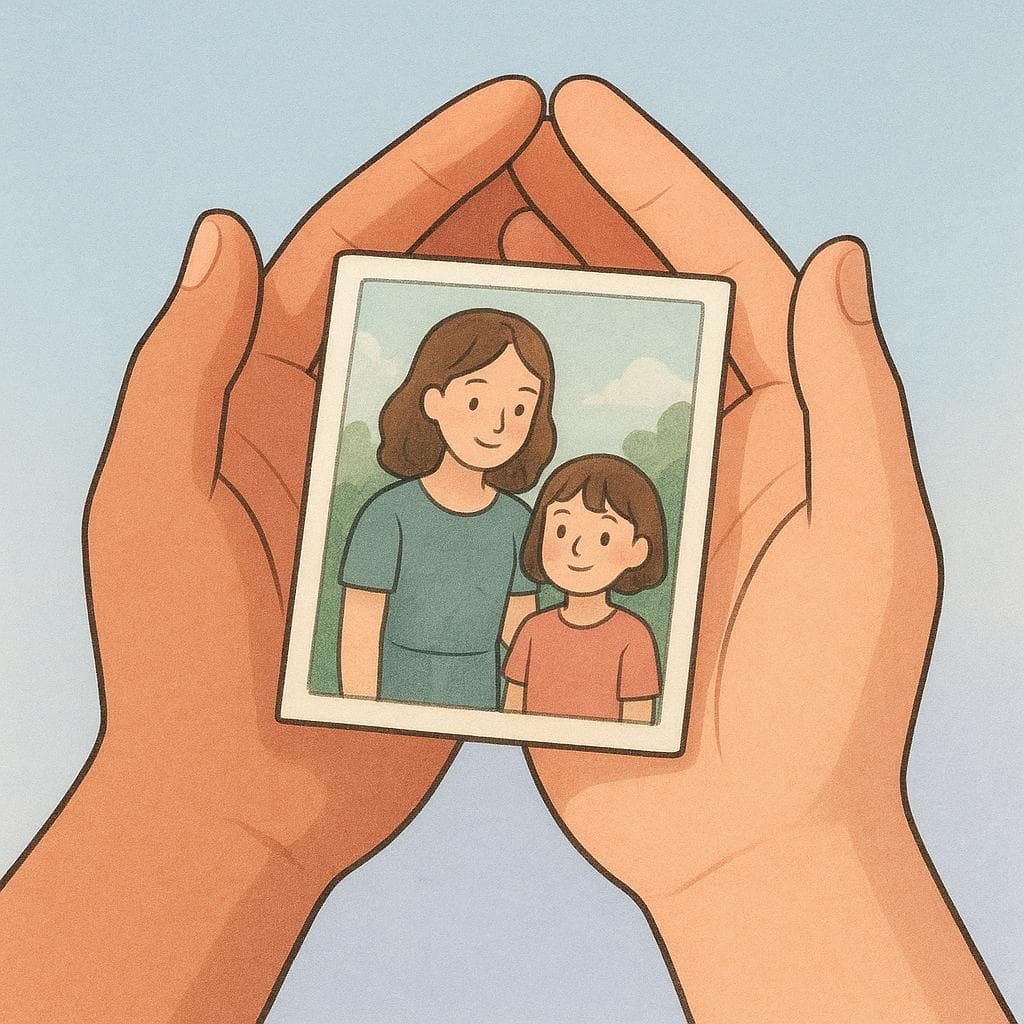

sentimental, emotionalAlso: affective
📝 In Action
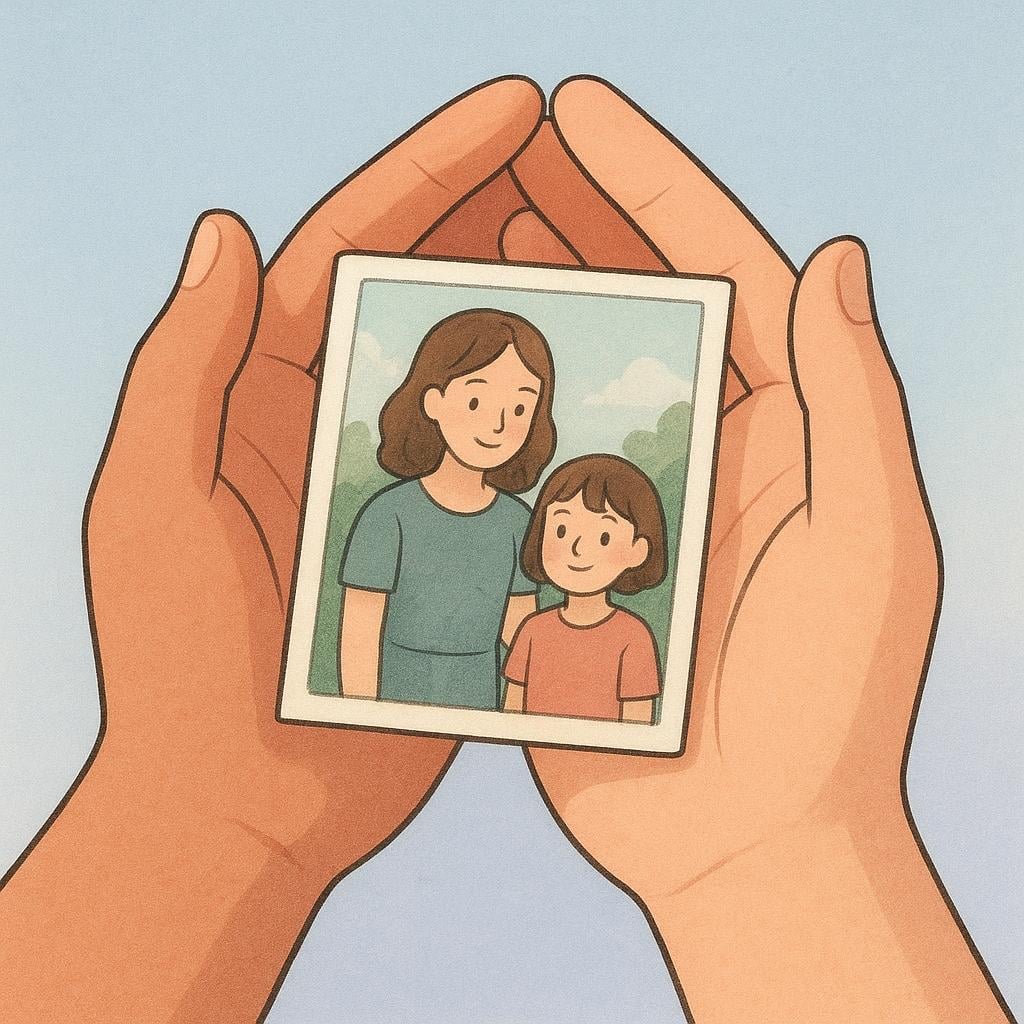
Esa vieja foto tiene un gran valor sentimental para mi abuela.
B1That old photo has great sentimental value for my grandmother.
Necesitas tomar una decisión lógica, no sentimental.
B2You need to make a logical decision, not an emotional one.
La vida sentimental del actor es muy privada.
B2The actor's emotional life is very private.
Word Connections
overly sentimental, mushyAlso: mawkish

📝 In Action
El final de la película fue demasiado sentimental para mi gusto.
B2The end of the movie was too sentimental for my taste.
Mi hermana es muy sentimental; llora con cualquier canción triste.
B1My sister is very sentimental; she cries at any sad song.
No seas tan sentimental; tienes que ser más fuerte.
B2Don't be so mushy/overly emotional; you have to be stronger.
Word Connections
Translate to Spanish
Words that translate to "sentimental" in Spanish:
✏️ Quick Practice
Quick Quiz: sentimental
Question 1 of 2
Which sentence uses 'sentimental' to describe someone who is easily moved to tears?
📚 More Resources
👥 Word Family
📚 Etymology
Comes from the French word 'sentimental,' which itself is derived from the Latin verb 'sentire,' meaning 'to feel, perceive, or sense.' It is closely related to the Spanish verb 'sentir' (to feel).
First recorded: 18th century (in Spanish)
Cognates (Related words)
💡 Master Spanish
Take your Spanish to the next level. Read 200+ illustrated and narrated Spanish stories tailored to your level with the Inklingo app!
Frequently Asked Questions
Does 'sentimental' change based on whether the noun is masculine or feminine?
No, it's an adjective that always stays the same, regardless of gender. You use 'sentimental' for both masculine nouns (el valor sentimental) and feminine nouns (la vida sentimental).
Is 'sentimental' a positive or negative word?
It depends on the context. If you say something has 'valor sentimental,' it's neutral and positive (it holds special meaning). If you describe a person as 'demasiado sentimental,' it often implies they are overly dramatic or emotional, which is usually slightly negative.