simio
“simio” means “ape” in Spanish (referring to primates without tails like chimpanzees or gorillas).
ape
Also: primate, simian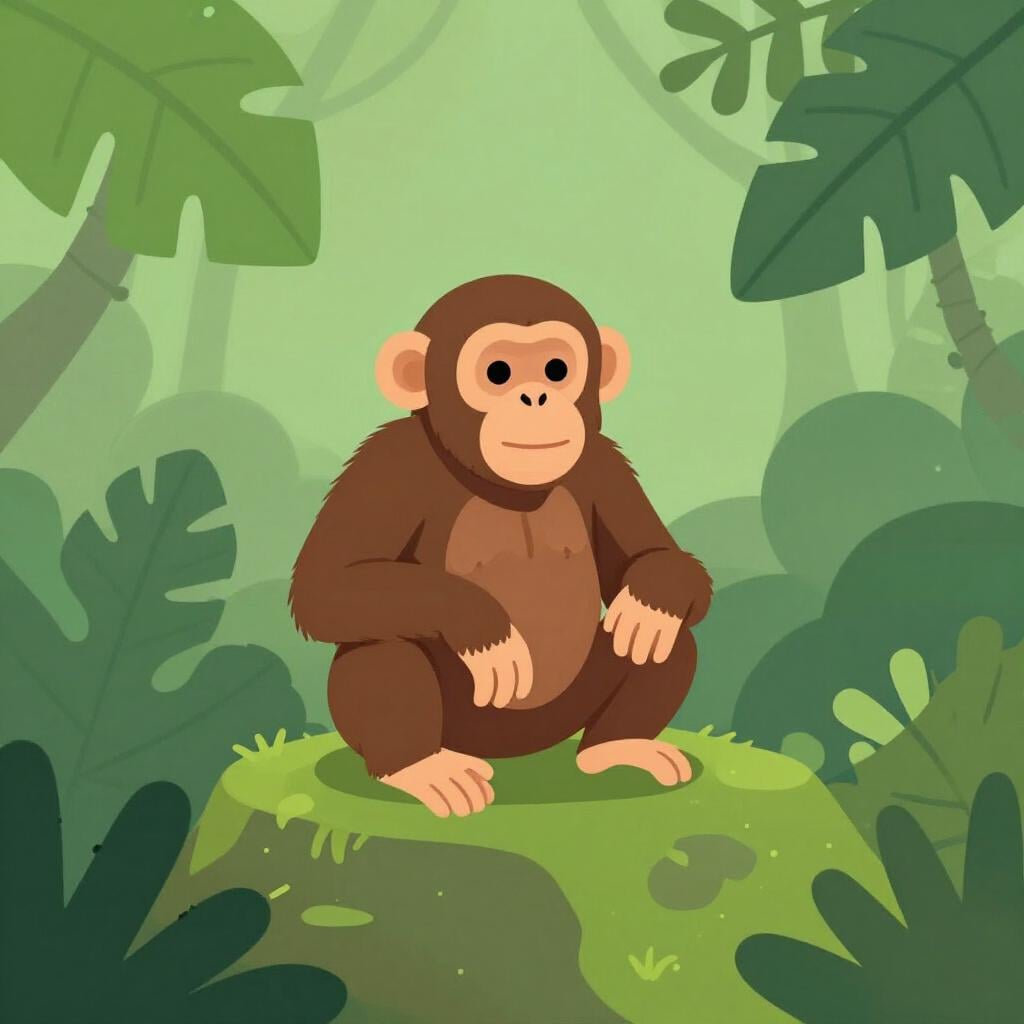
📝 In Action
El gorila es el simio más grande del mundo.
A2The gorilla is the largest ape in the world.
Los científicos observaron cómo el simio usaba una herramienta.
B1The scientists observed how the ape used a tool.
En la película, los simios toman el control del planeta.
B2In the movie, the apes take control of the planet.
Vocabulary Collections
Translate to Spanish
✏️ Quick Practice
Quick Quiz: simio
Question 1 of 3
Which of these is the most common word for a monkey in daily conversation?
📚 More Resources
👥 Word Family▼
🎵 Rhymes▼
📚 Etymology▼
From the Latin 'simius', which was used to describe primates. It is related to the Greek word for 'flat-nosed'.
First recorded: 13th century
Cognates (Related words)
💡 Master Spanish
Take your Spanish to the next level. Read 200+ illustrated and narrated Spanish stories tailored to your level with the Inklingo app!
Frequently Asked Questions
Is 'simio' offensive?
When used for animals, no. However, like in English, using animal names to describe people can be very offensive or racist. Stick to using it for biology!
Does 'simio' include humans?
In a biological sense, yes, humans are part of the primate group, but in standard Spanish, 'simio' specifically refers to non-human apes.
What is the difference between 'simio' and 'primate'?
'Primate' is the broad category (including lemurs and monkeys), while 'simio' is usually reserved for the 'higher' primates like chimpanzees, gorillas, and orangutans.