tendría
“tendría” means “would have” in Spanish. It has 3 different meanings depending on context:


would haveAlso: would be

📝 In Action
Si ganara la lotería, tendría una casa en la playa.
B1If I won the lottery, I would have a house on the beach.
Sin tu ayuda, mi proyecto no tendría éxito.
B2Without your help, my project would not be successful (would not have success).
Él tendría 30 años ahora si no se hubiera mudado.
B2He would be 30 years old now if he hadn't moved.
Word Connections
would have toAlso: should, ought to

📝 In Action
Para mejorar, usted tendría que practicar todos los días.
B1To improve, you would have to practice every day.
Creo que tendría que hablar con el gerente.
B1I think I should talk to the manager.
Si quisiera llegar a tiempo, tendría que salir ya.
B2If she wanted to arrive on time, she would have to leave now.
Word Connections
must have beenAlso: was probably, I wonder...
📝 In Action
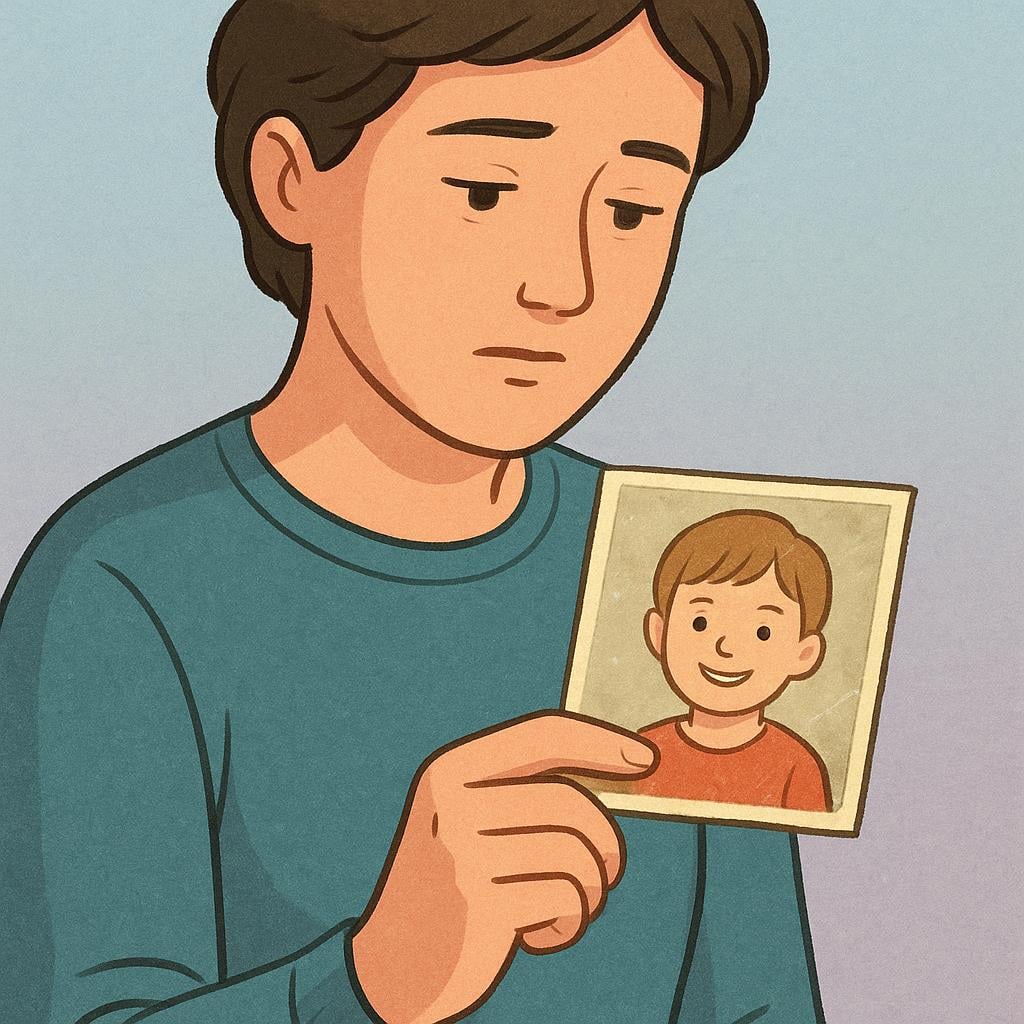
En esa foto, yo tendría unos cinco años.
B2In that photo, I must have been about five years old.
Cuando llegamos, la tienda ya estaría cerrada.
B2When we arrived, the store was probably already closed.
¿Cuánta gente tendría la fiesta? No sé, unas cien personas.
C1I wonder how many people the party had? I don't know, about a hundred people.
Indicative
Present
Imperfect
Preterite
Subjunctive
Present Subjunctive
Imperfect Subjunctive
Translate to Spanish
Words that translate to "tendría" in Spanish:
✏️ Quick Practice
Quick Quiz: tendría
Question 1 of 2
Which sentence uses 'tendría' to mean 'must have been' or 'was probably'?
📚 More Resources
👥 Word Family
🎵 Rhymes
📚 Etymology
'Tendría' comes from the infinitive 'tener' plus the old imperfect ending of 'haber' (-ía). The 'd' was added over time to make it easier to say. 'Tener' itself is from the Latin verb 'tenēre', which meant 'to hold, to keep, to possess'.
First recorded: The conditional form developed in Late Latin and solidified in Old Spanish around the 10th-12th centuries.
Cognates (Related words)
💡 Master Spanish
Take your Spanish to the next level. Read 200+ illustrated and narrated Spanish stories tailored to your level with the Inklingo app!
Frequently Asked Questions
What's the difference between 'tendría' and 'tuviera'?
Great question! They both can seem hypothetical. Use 'tendría' for the 'would' part of a sentence ('I would have'). Use 'tuviera' for the 'if' part ('If I had'). For example: 'Si yo tuviera (if I had) dinero, tendría (I would have) un coche nuevo.'
Is 'tendría' only for 'I' and 'he/she/you (formal)'?
Yes, 'tendría' specifically is the form for 'yo' (I), 'él' (he), 'ella' (she), and 'usted' (you, formal). For other people, the ending changes slightly: 'tendrías' (for tú/you informal), 'tendríamos' (for nosotros/we), and 'tendrían' (for ellos/they).
Can I use 'tendría' to talk about the future?
Not usually for a definite future plan. For that, you'd use 'tendré' ('I will have'). You might use 'tendría' in a future context if you're talking about something hypothetical, like 'Si me tocara la lotería el próximo año, tendría mucho dinero' ('If I won the lottery next year, I would have a lot of money').