tensión
“tensión” means “tension” in Spanish. It has 4 different meanings depending on context:
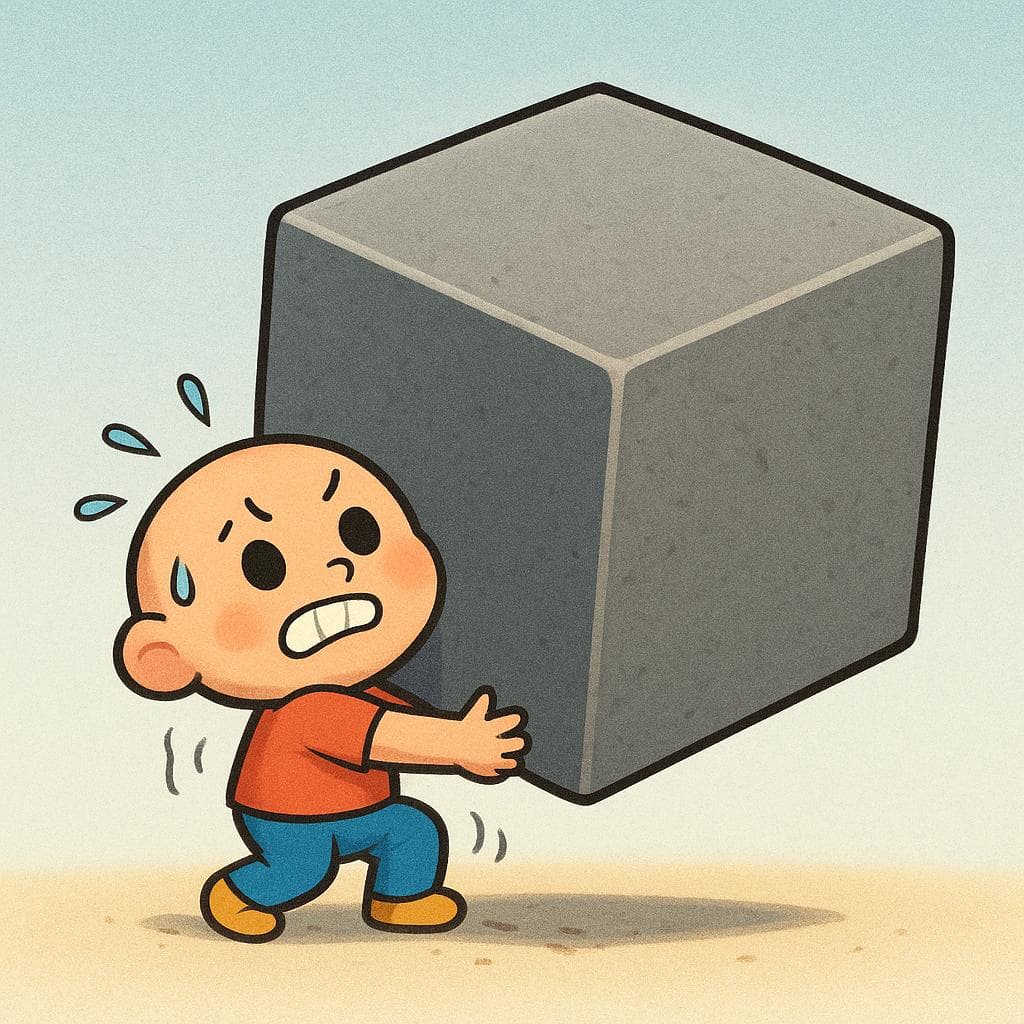


tensionAlso: stress, strain

📝 In Action
Siento mucha tensión antes de una presentación importante.
A2I feel a lot of tension/stress before an important presentation.
La tensión política entre los dos países es preocupante.
B1The political tension between the two countries is worrying.
Para aliviar la tensión, salimos a caminar un rato.
B1To relieve the stress/tension, we went out for a walk for a while.
Word Connections
blood pressureAlso: pressure

📝 In Action
El doctor me dijo que mi tensión está un poco alta.
B2The doctor told me my blood pressure is a bit high.
¿Te has tomado la tensión hoy?
B2Have you taken your blood pressure today?
Word Connections
tensionAlso: strain, tightness

📝 In Action
Sufrió una tensión en los isquiotibiales mientras corría.
B2He suffered a strain in his hamstrings while running.
Hay que ajustar la tensión de las cuerdas de la guitarra.
B2We have to adjust the tension of the guitar strings.
Word Connections
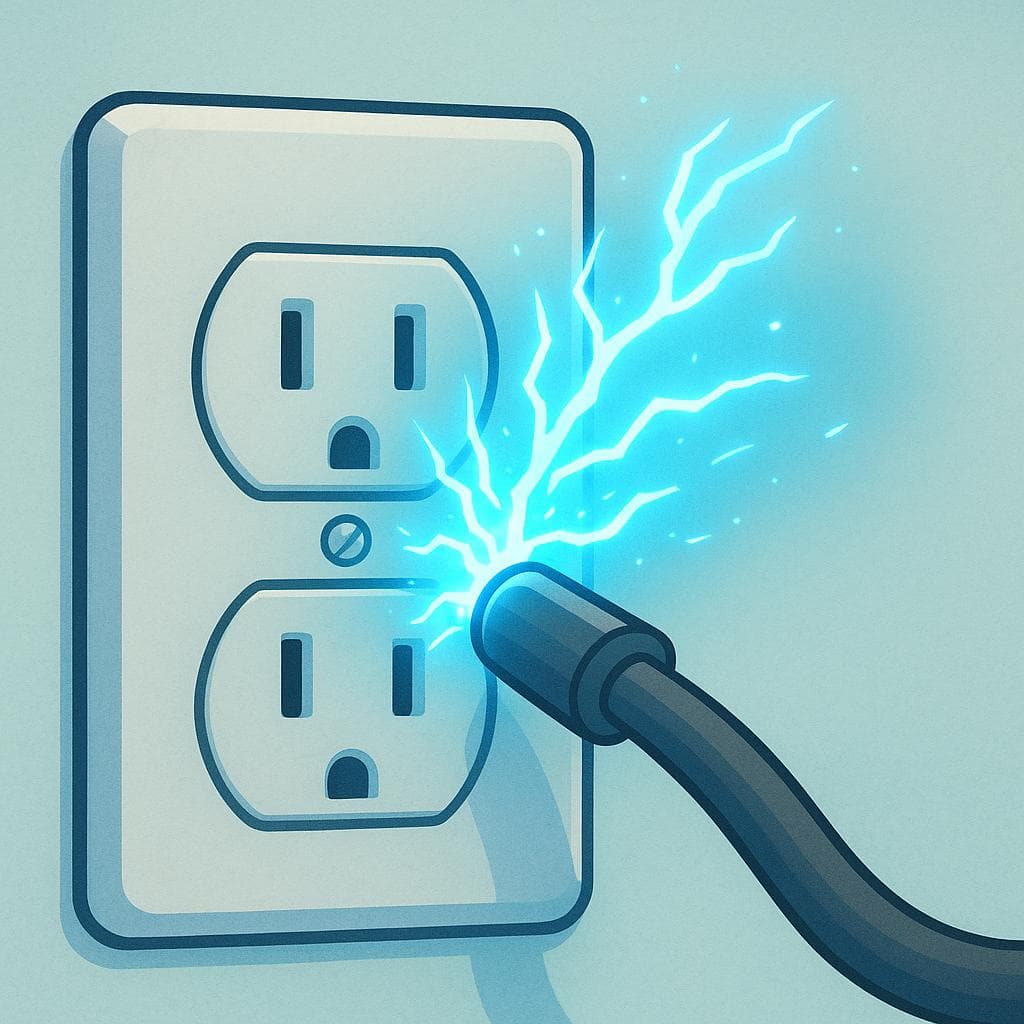
voltageAlso: potential difference

📝 In Action
La tensión eléctrica estándar en Europa es de 230 voltios.
C1The standard electric voltage in Europe is 230 volts.
Conectar un aparato de 110V a una alta tensión puede dañarlo.
C1Connecting a 110V appliance to high voltage can damage it.
Word Connections
Translate to Spanish
Words that translate to "tensión" in Spanish:
✏️ Quick Practice
Quick Quiz: tensión
Question 1 of 2
Which meaning of 'tensión' is used in the phrase: 'Mi abuelo se toma la tensión todas las mañanas'?
📚 More Resources
👥 Word Family
🎵 Rhymes
📚 Etymology
Comes from the Latin word *tensiōnem*, which means 'a stretching out' or 'a straining.' It shares roots with the English word 'tension,' having developed through the concept of stretching a rope until it is tight and strained.
First recorded: 15th century
Cognates (Related words)
💡 Master Spanish
Take your Spanish to the next level. Read 200+ illustrated and narrated Spanish stories tailored to your level with the Inklingo app!
Frequently Asked Questions
Is 'tensión' always feminine?
Yes, 'tensión' is a feminine noun, so you must always use feminine articles and adjectives with it (e.g., 'la tensión alta').
How is 'tensión' different from 'presión'?
'Presión' means literal pressure (like air pressure or a deadline pressing down on you). 'Tensión' is usually used for psychological stress, relationship strain, muscle tightness, or electrical voltage. While they overlap (especially in 'blood pressure,' which can be 'tensión' or 'presión'), 'tensión' covers more of the emotional and strained relationship meanings.