tiranía
“tiranía” means “tyranny” in Spanish. It has 2 different meanings depending on context:
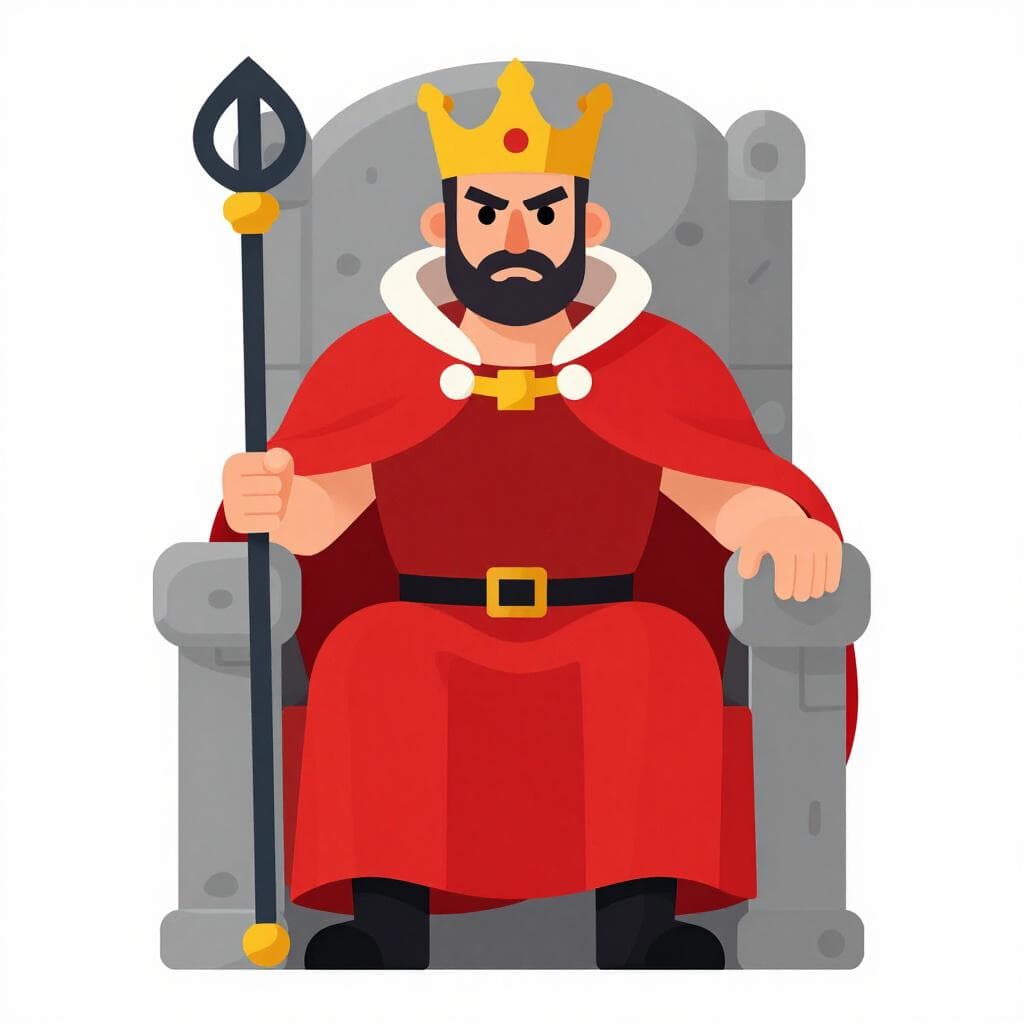
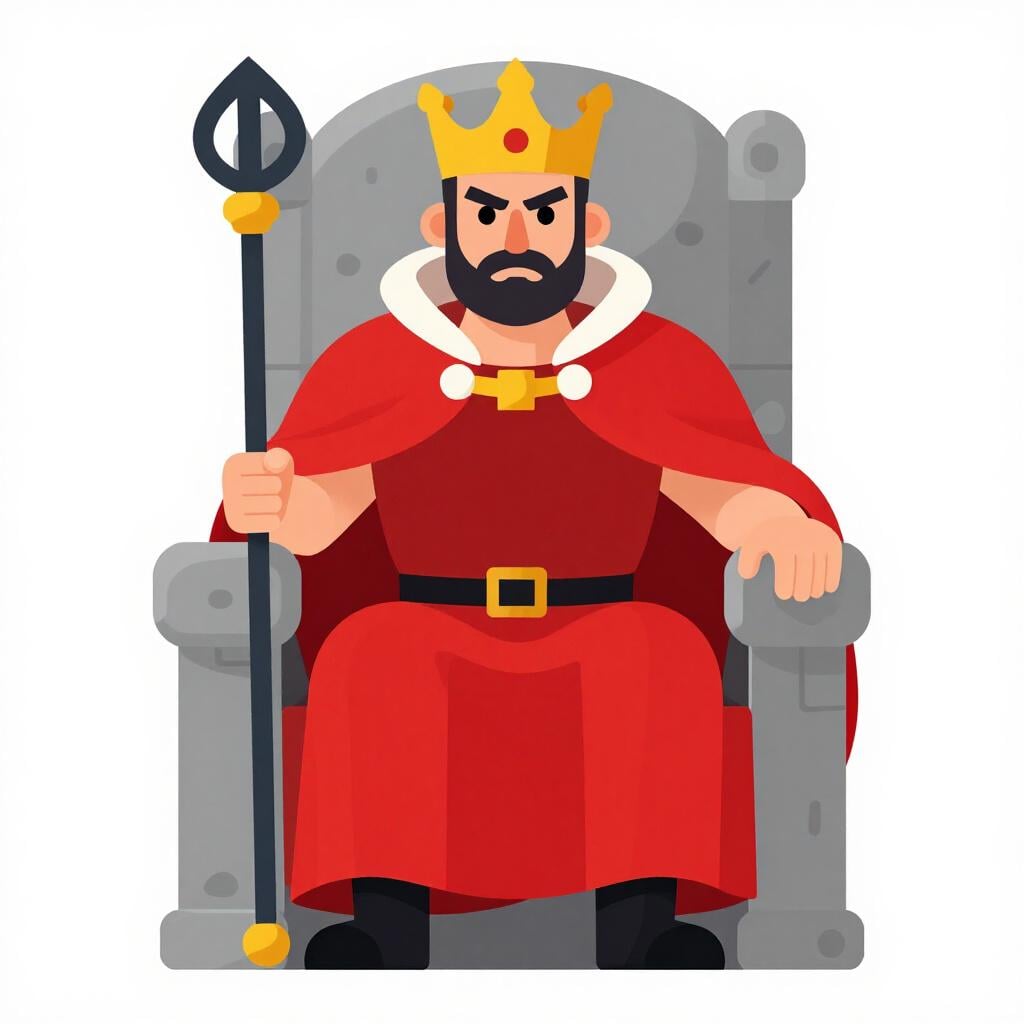
tyrannyAlso: dictatorship, oppression
📝 In Action
El país finalmente se liberó de la tiranía.
B1The country finally freed itself from tyranny.
Lucharon contra la tiranía del invasor.
B2They fought against the tyranny of the invader.
La tiranía ignora los derechos de los ciudadanos.
C1Tyranny ignores the rights of citizens.
Word Connections
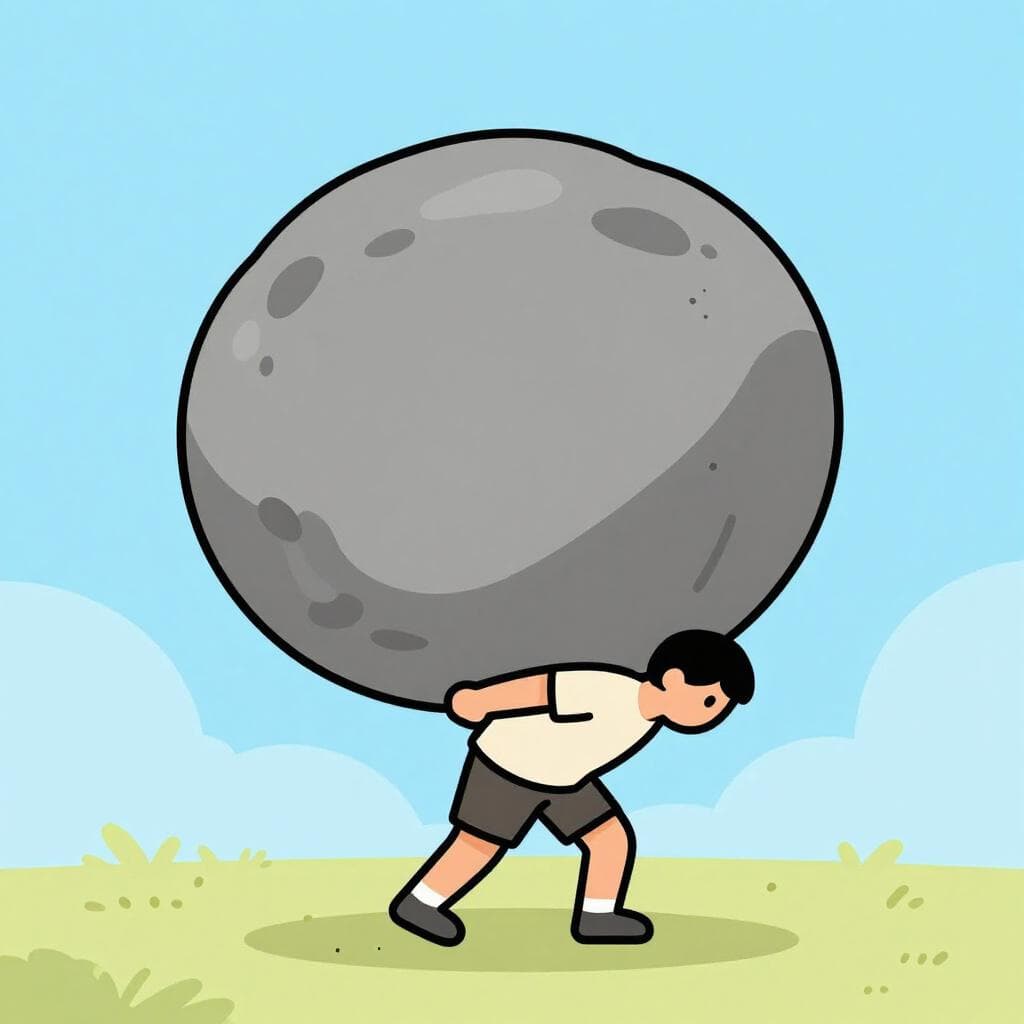
tyrannyAlso: dominance

📝 In Action
No quiero vivir bajo la tiranía del reloj.
B2I don't want to live under the tyranny of the clock.
La tiranía de la moda puede ser agotadora.
C1The tyranny of fashion can be exhausting.
Debemos escapar de la tiranía de las expectativas ajenas.
C2We must escape the tyranny of others' expectations.
Word Connections
✏️ Quick Practice
Quick Quiz: tiranía
Question 1 of 3
Which word refers to the *person* who rules cruelly?
📚 More Resources
👥 Word Family
🎵 Rhymes
📚 Etymology
From the Greek word 'tyrannos', which meant a ruler who took power without a legal right. It reached Spanish through the Latin word 'tyrannia'.
First recorded: 13th century
Cognates (Related words)
💡 Master Spanish
Take your Spanish to the next level. Read 200+ illustrated and narrated Spanish stories tailored to your level with the Inklingo app!
Frequently Asked Questions
Is 'tiranía' different from 'dictadura'?
While they are often used as synonyms, 'tiranía' usually emphasizes the cruelty and lack of law, whereas 'dictadura' focuses more on the political structure where one person holds all power.
Why does 'tiranía' have an accent mark?
The accent on the 'í' (tiranía) tells you to emphasize that syllable and keeps the 'i' and 'a' sounds separate instead of blending them together.
Can I use 'tiranía' for a boss at work?
Yes! If you have a boss who is very controlling and mean, you can figuratively say they exercise a 'tiranía' in the office.