tiró
“tiró” means “threw” in Spanish. It has 2 different meanings depending on context:
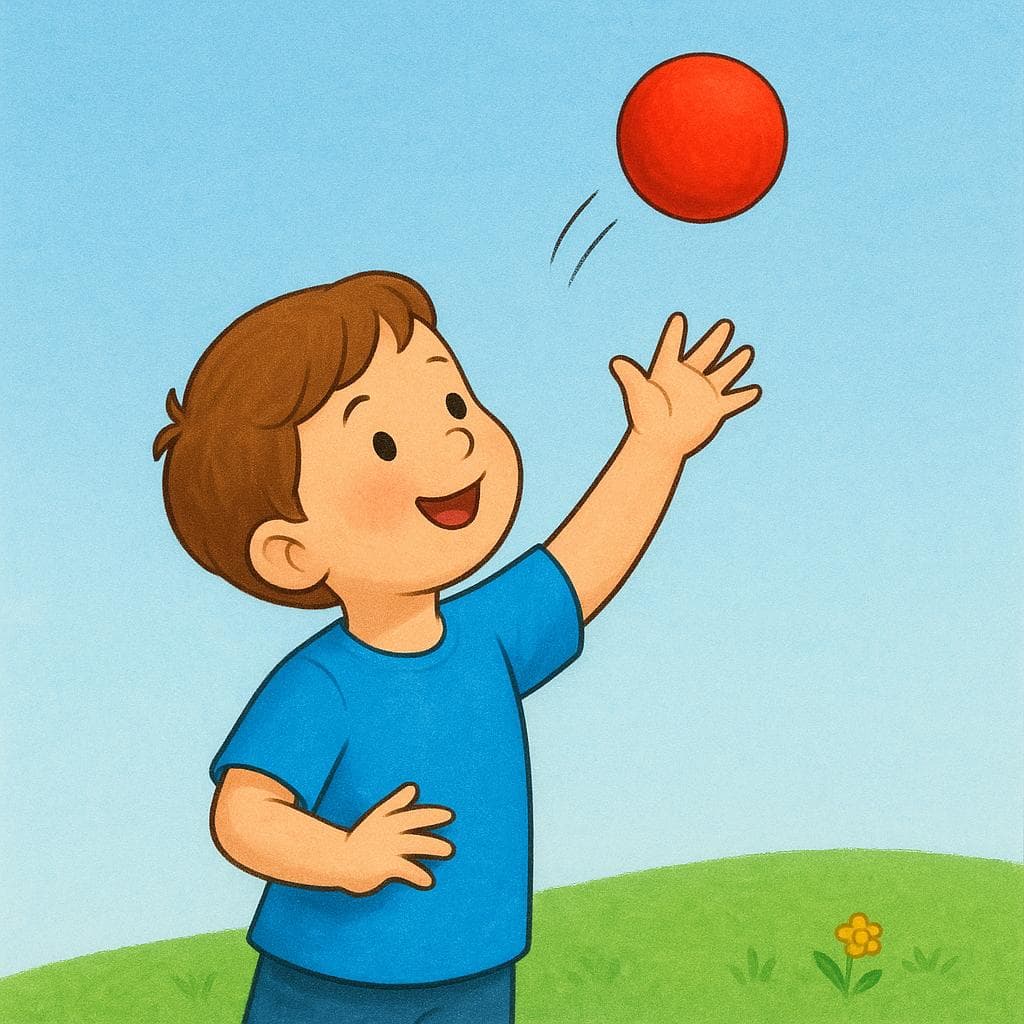

threw, tossedAlso: knocked down

📝 In Action
Ella tiró la basura en el contenedor azul.
A2She threw the trash in the blue container.
Mi perro tiró mi zapato debajo de la cama.
A2My dog threw (dragged/tossed) my shoe under the bed.
Usted tiró la toalla, ¿verdad? Es hora de rendirse.
B1You threw in the towel, right? It's time to give up. (Figurative)
Word Connections
shot, took (a photo)Also: kicked

📝 In Action
El policía tiró al suelo para evitar la bala.
B1The police officer threw himself to the ground to avoid the bullet.
El fotógrafo tiró una foto espectacular del paisaje.
B1The photographer took a spectacular photo of the landscape.
El delantero tiró a puerta pero falló.
B2The striker shot on goal but missed.
Word Connections
Indicative
Present
Imperfect
Preterite
Subjunctive
Present Subjunctive
Imperfect Subjunctive
✏️ Quick Practice
Quick Quiz: tiró
Question 1 of 2
Which of these actions describes the meaning of 'tiró' in the sentence: 'El niño tiró de la cuerda.'
📚 More Resources
👥 Word Family
📚 Etymology
The verb 'tirar' comes from the Latin word *tirare*, which originally meant 'to draw out' or 'to pull'. Over time, its meaning broadened to include forceful actions like throwing and shooting.
First recorded: Medieval Spanish
Cognates (Related words)
💡 Master Spanish
Take your Spanish to the next level. Read 200+ illustrated and narrated Spanish stories tailored to your level with the Inklingo app!
Frequently Asked Questions
How is 'tiró' different from 'lanzó'?
'Tiró' (from tirar) and 'lanzó' (from lanzar) both mean 'threw'. 'Lanzar' often implies a more deliberate, powerful, or long-distance throw (like launching a rocket or throwing a spear). 'Tirar' is more general and common for everyday actions like throwing trash or tossing a ball.
Why does 'tiró' have an accent mark?
The accent mark on the 'o' is essential! It signals that this verb form is in the simple past tense (preterite) and belongs to the third person singular (he, she, or formal you). Without the accent ('tiro'), it means 'I throw' (present tense).