tocas
“tocas” means “you play” in Spanish. It has 3 different meanings depending on context:
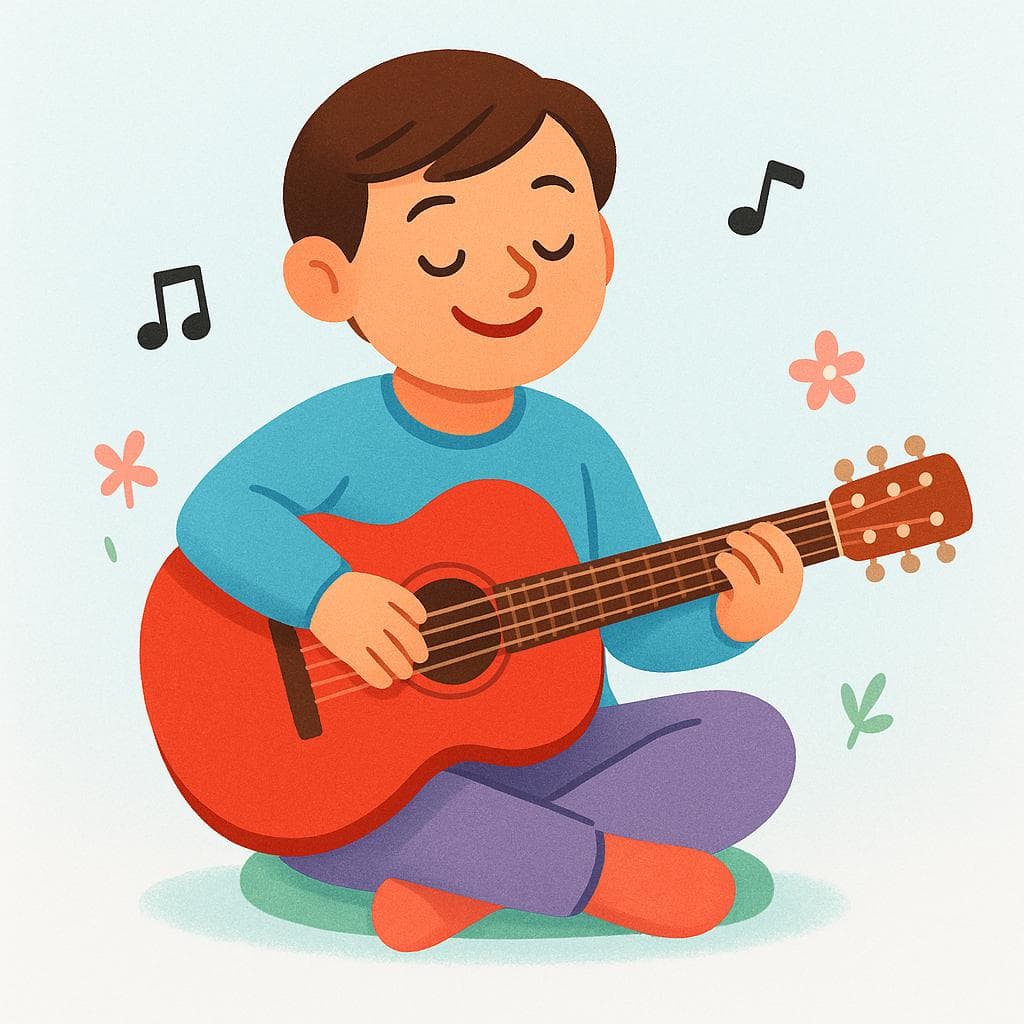
you play
Also: you perform
📝 In Action
¿Qué instrumento tocas? ¿La guitarra?
A1What instrument do you play? The guitar?
Tocas muy bien el piano, eres talentoso.
A2You play the piano very well, you are talented.
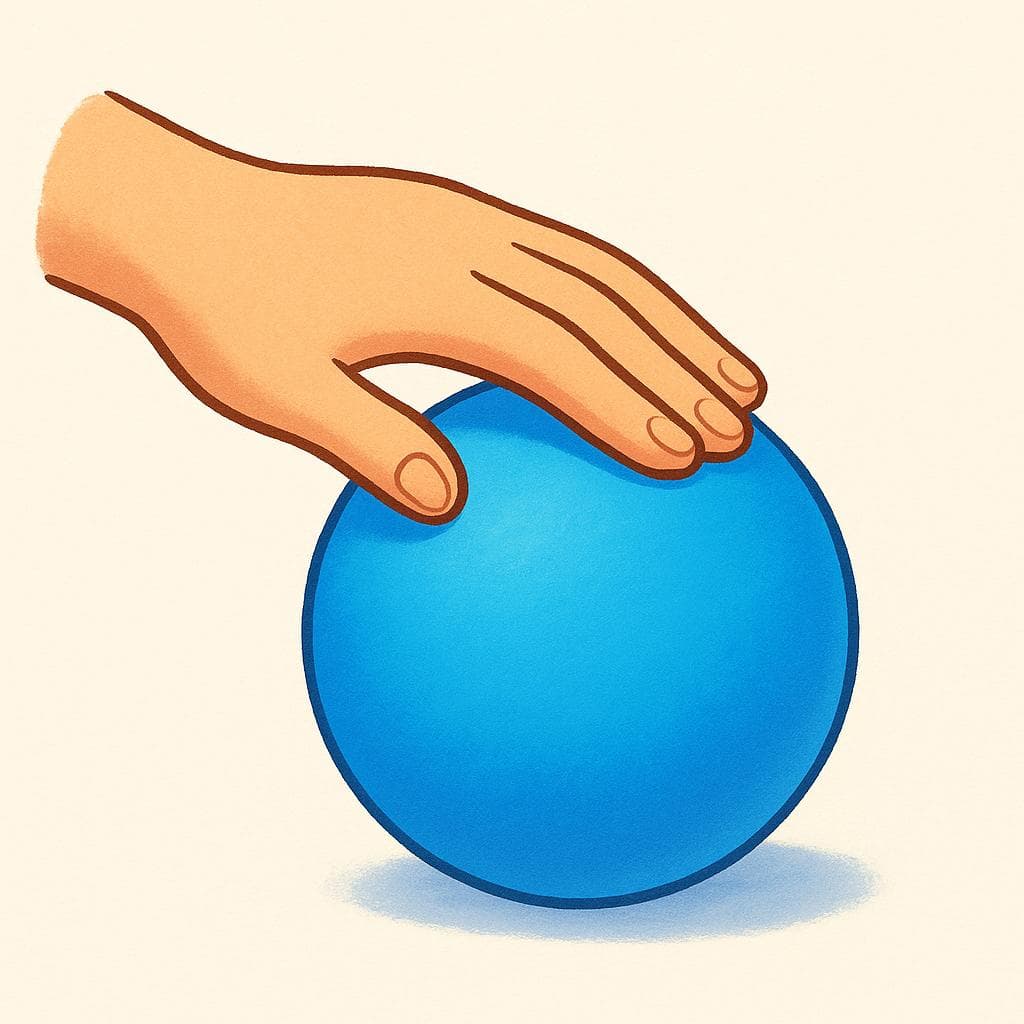
you touch
Also: you handle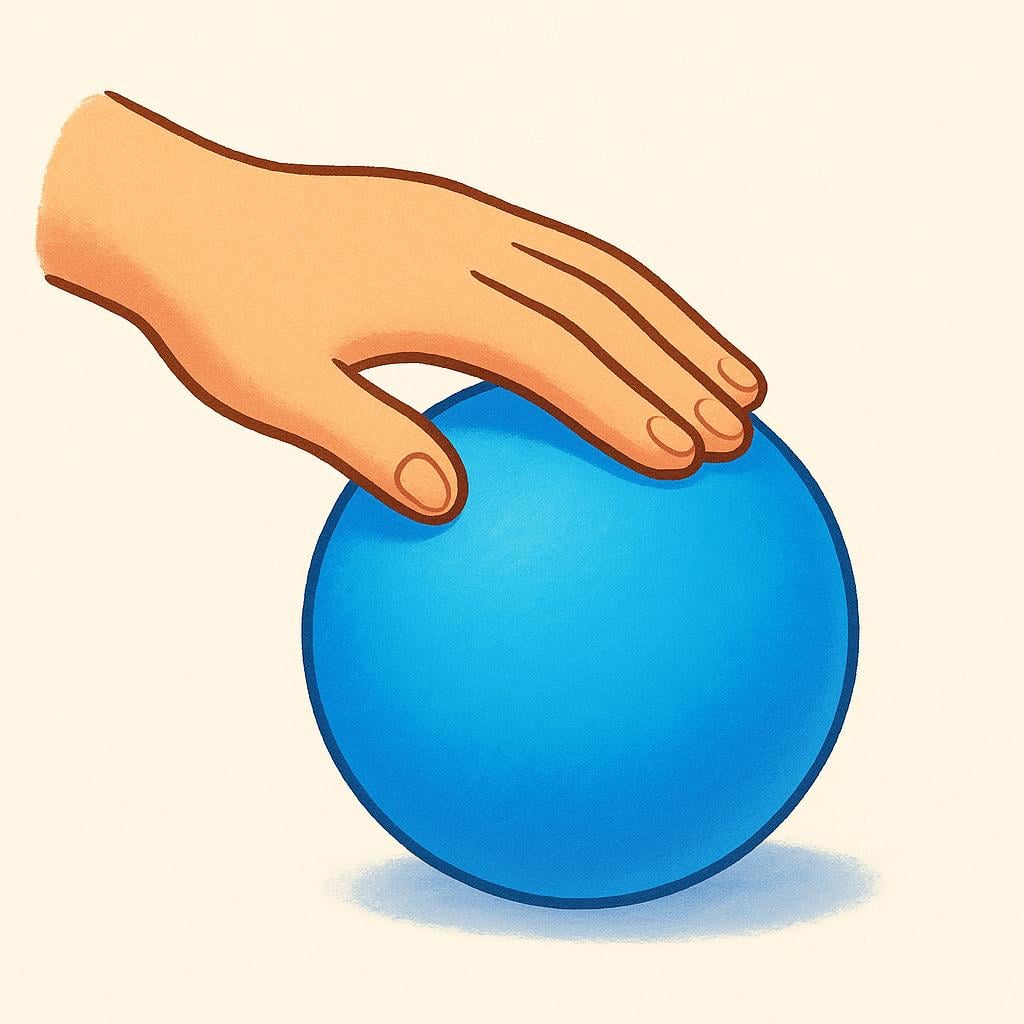
📝 In Action
No tocas ese cable, es peligroso.
A1Don't touch that cable, it's dangerous. (You are not touching it, imperative usage)
Si tocas la pared, sentirás la textura áspera.
A2If you touch the wall, you will feel the rough texture.
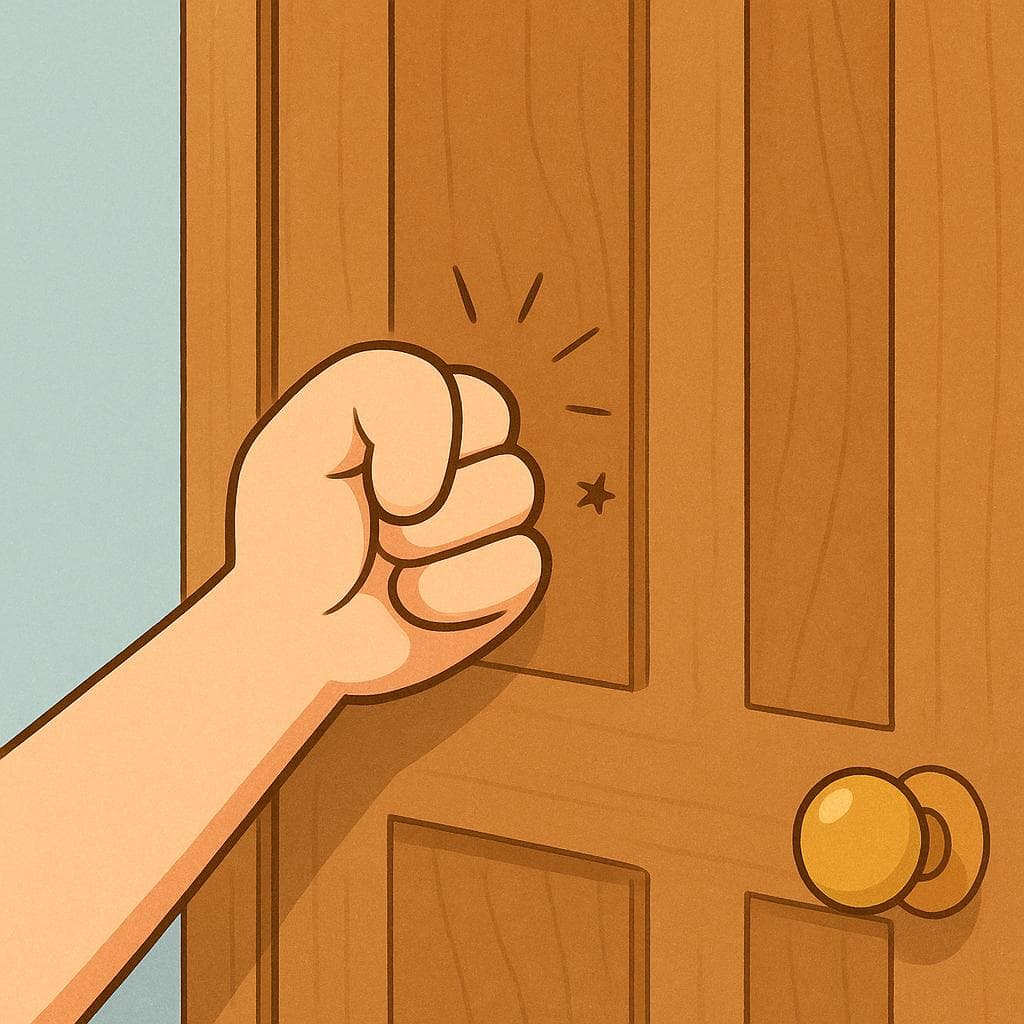
you knock
Also: you ring
📝 In Action
Cuando llegas, siempre tocas el timbre dos veces.
A2When you arrive, you always ring the doorbell twice.
Tocas la puerta antes de entrar en la oficina.
A2You knock on the door before entering the office.
Indicative
Present
Imperfect
Preterite
Subjunctive
Present Subjunctive
Imperfect Subjunctive
Translate to Spanish
Words that translate to "tocas" in Spanish:
you handle→you knock→you perform→you play→you ring→you touch→✏️ Quick Practice
Quick Quiz: tocas
Question 1 of 2
Which meaning of 'tocas' is used in the sentence: 'Tocas la flauta maravillosamente'?
📚 More Resources
👥 Word Family▼
🎵 Rhymes▼
📚 Etymology▼
The verb 'tocar' comes from the Vulgar Latin word *toccare*, which meant 'to strike' or 'to hit'. It likely originated as a sound word (onomatopoeia), mimicking the sound of a tap or a strike.
First recorded: Around the 11th century in written Spanish.
Cognates (Related words)
💡 Master Spanish
Take your Spanish to the next level. Read 200+ illustrated and narrated Spanish stories tailored to your level with the Inklingo app!
Frequently Asked Questions
Does 'tocar' require a preposition when talking about playing music?
Generally, no. You use the definite article (el, la, los, las) but not a preposition like 'en' (in) or 'con' (with). For example: 'Toco el violín' (I play the violin).
How do I know if 'tocas' means 'touch' or 'play'?
Look at the word that follows it. If it’s a musical instrument (guitarra, piano), it means 'play'. If it’s a physical object (mesa, pared), it means 'touch'.