tocó
“tocó” means “he/she/it touched” in Spanish. It has 4 different meanings depending on context:

he/she/it touched, you touched (formal)Also: he/she felt

📝 In Action
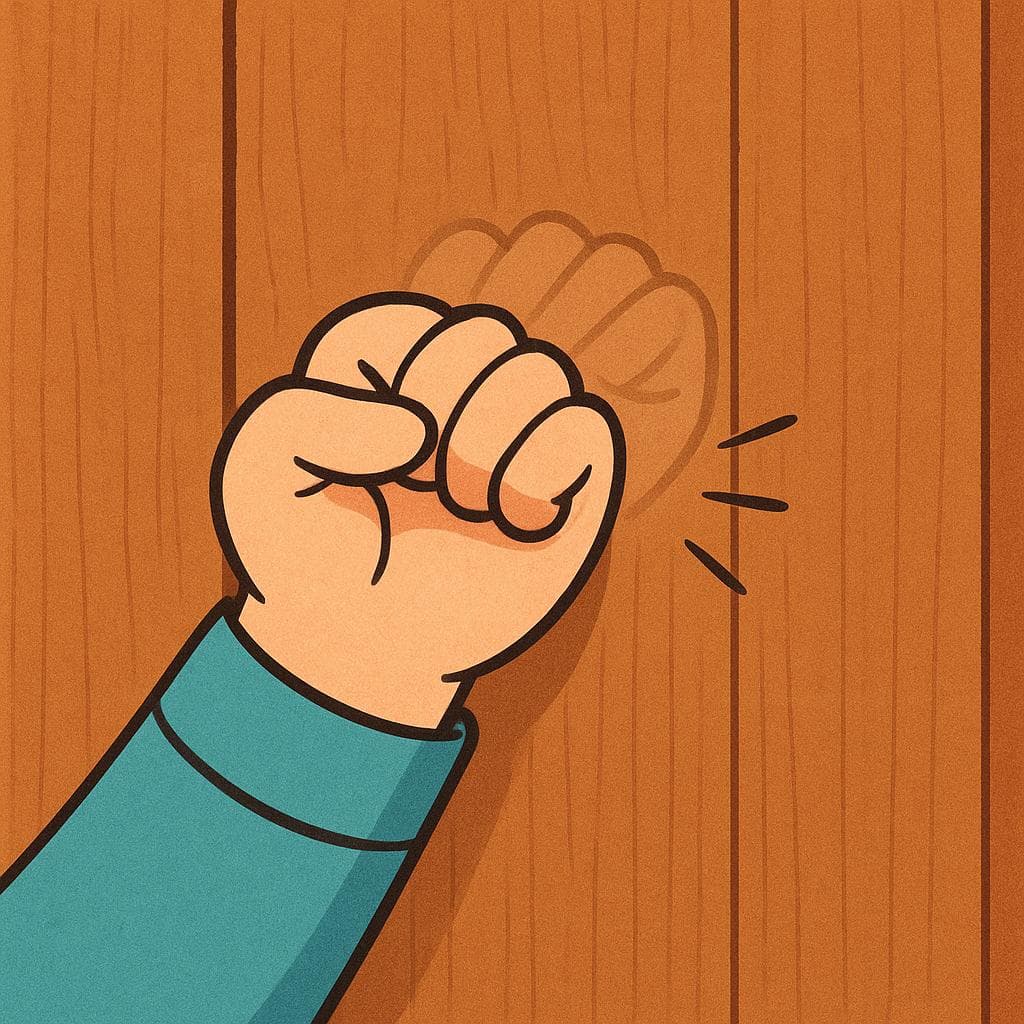
Ella tocó el cristal para ver si estaba caliente.
A1She touched the glass to see if it was hot.
El perro me tocó la mano con la nariz.
A2The dog touched my hand with its nose.
Word Connections

📝 In Action
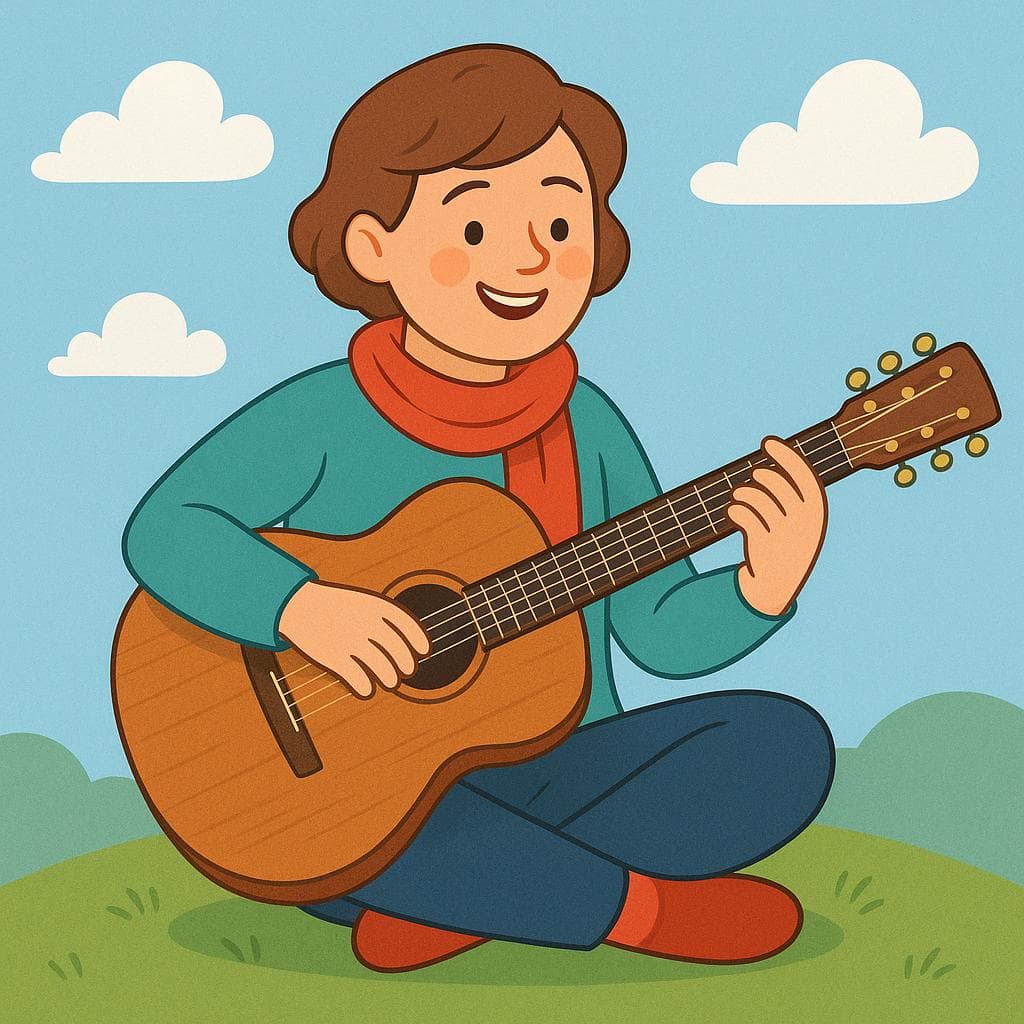
Mi tío tocó el piano en la fiesta de Navidad.
A2My uncle played the piano at the Christmas party.
El DJ tocó música increíble toda la noche.
B1The DJ played incredible music all night.
Word Connections
it was his/her turnAlso: he/she had to, he/she drew (the short straw)

📝 In Action
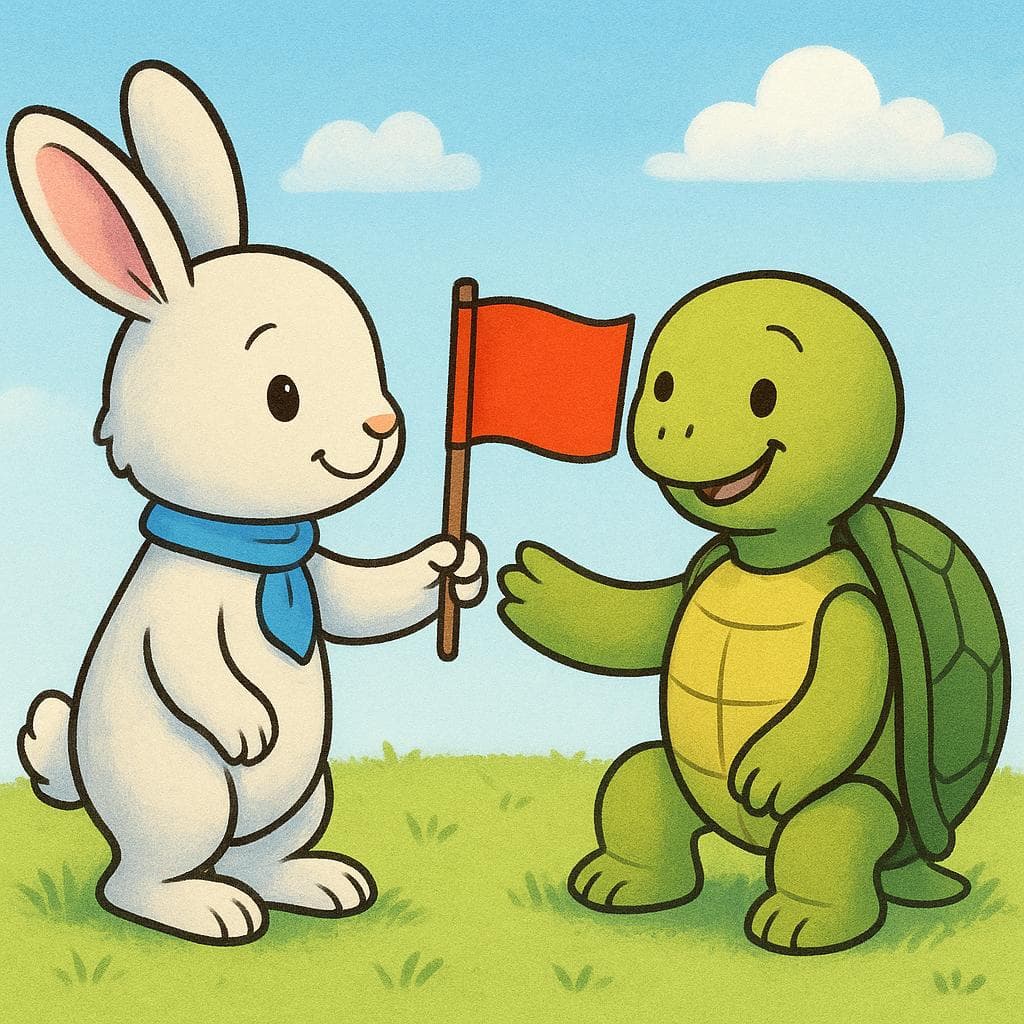
Esta vez le tocó a Juan pagar la cena.
B1This time it was Juan's turn to pay for dinner. (Literally: This time it touched Juan to pay.)
Nos tocó esperar dos horas en la fila.
B2We had to wait two hours in line. (Literally: It touched us to wait.)
Word Connections
📝 In Action
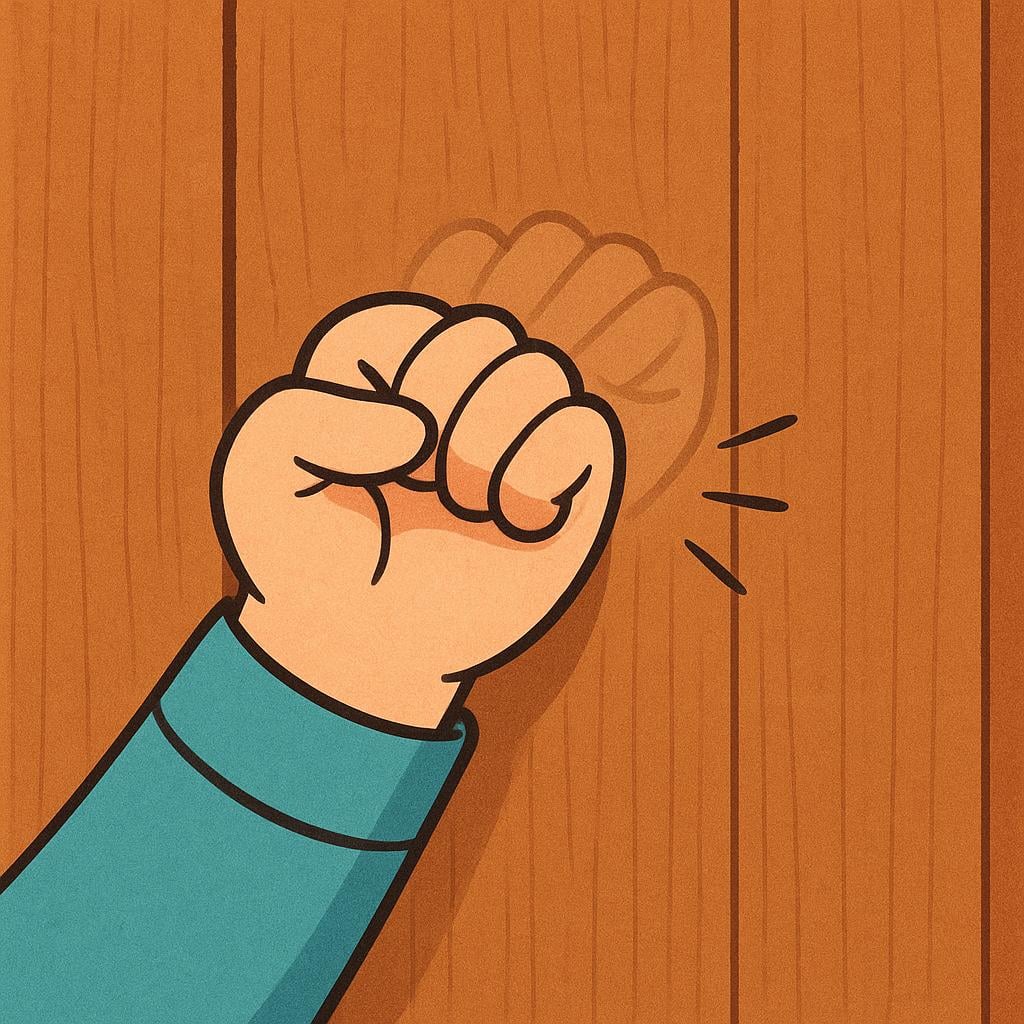
Tocó a la puerta tres veces antes de entrar.
A2He knocked on the door three times before entering.
La campana tocó a las ocho en punto.
B1The bell rang exactly at eight o'clock.
Word Connections
Indicative
Present
Imperfect
Preterite
Subjunctive
Present Subjunctive
Imperfect Subjunctive
✏️ Quick Practice
Quick Quiz: tocó
Question 1 of 1
Which meaning of 'tocó' is used in the sentence: 'A mi hermana le tocó trabajar el domingo.'
📚 More Resources
👥 Word Family
📚 Etymology
Comes from the Vulgar Latin word *toccare, which means 'to strike' or 'to knock.' This origin explains why 'tocar' covers everything from a gentle touch to knocking on a door or striking piano keys.
First recorded: 11th century
Cognates (Related words)
💡 Master Spanish
Take your Spanish to the next level. Read 200+ illustrated and narrated Spanish stories tailored to your level with the Inklingo app!
Frequently Asked Questions
Why does 'tocó' sometimes mean 'he/she had to'?
This is a special, very common way to talk about turns or duties. It literally translates to 'it touched/fell to him/her.' It implies that the obligation came from an external source, like a rotation or a rule, rather than a personal desire.
How do I know if 'tocó' means 'touched' or 'played'?
The context usually makes it clear. If the sentence mentions a musical instrument (piano, guitarra, batería), it means 'played.' If it mentions a physical object (mano, mesa, pared), it means 'touched.'