tontos
“tontos” means “silly” in Spanish. It has 2 different meanings depending on context:
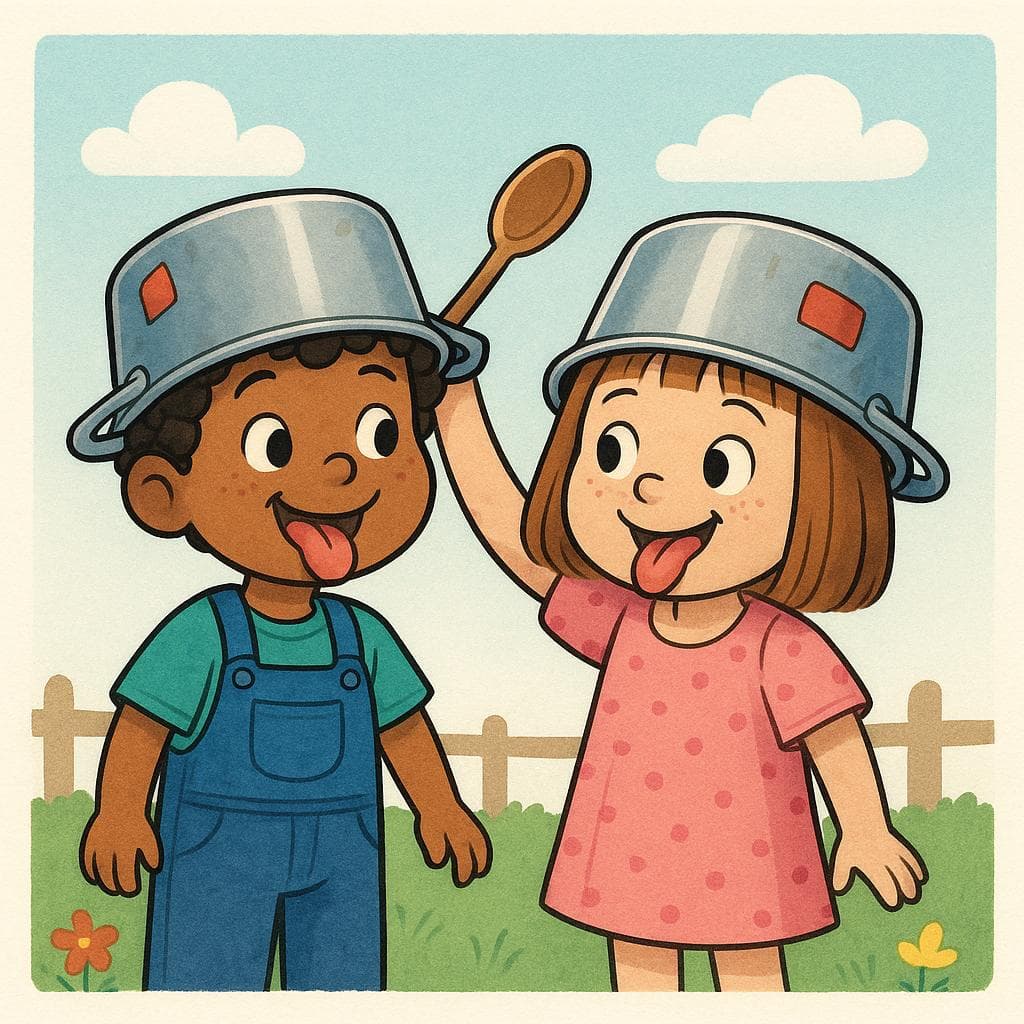

silly
Also: foolish, stupid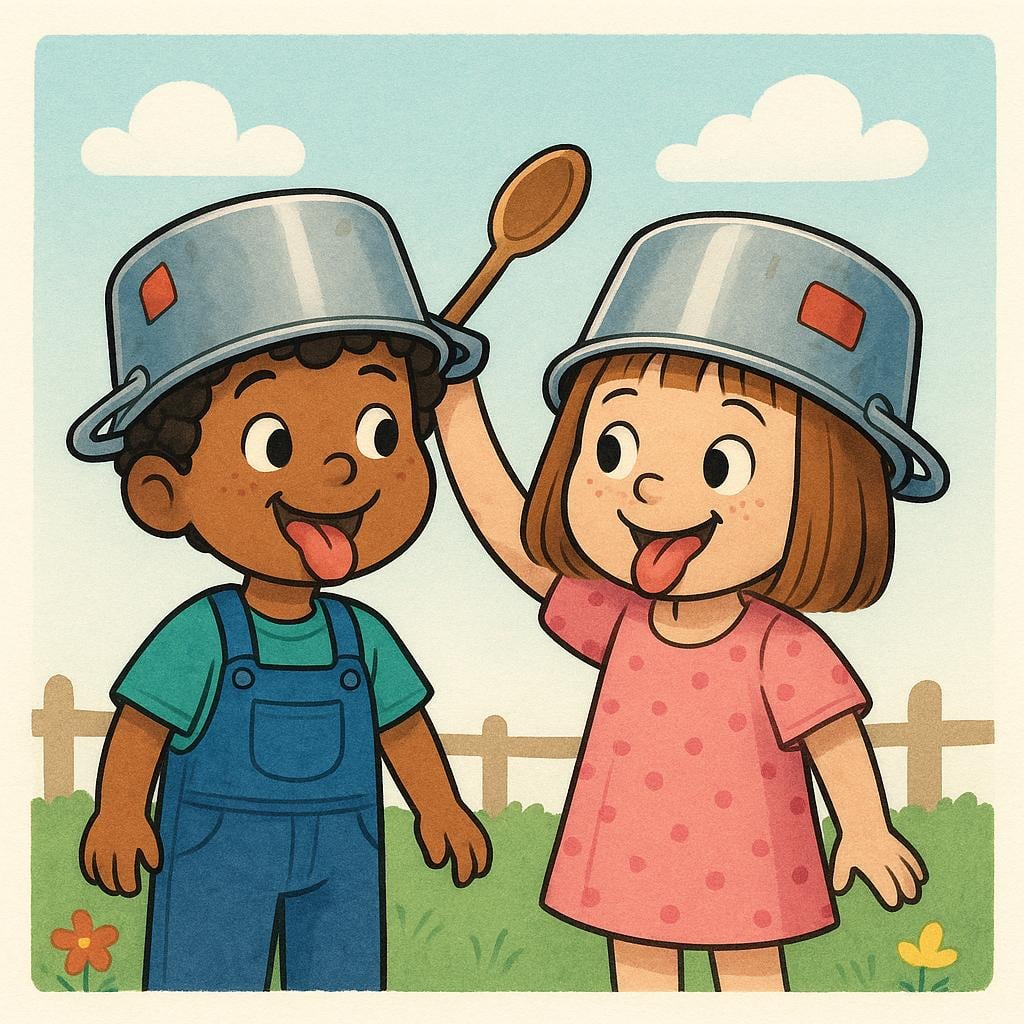
📝 In Action
Esos comentarios son muy tontos.
A2Those comments are very silly/foolish.
Los niños estaban haciendo juegos tontos.
A1The kids were playing silly games.
No hagas planes tan tontos para el viaje.
B1Don't make such foolish plans for the trip.
fools
Also: idiots
📝 In Action
¡No seáis tontos! Eso es una trampa obvia.
B1Don't be fools! That is an obvious trap.
Mis hermanos son unos tontos, siempre pelean.
B2My brothers are a bunch of idiots, they always fight.
Translate to Spanish
Words that translate to "tontos" in Spanish:
idiots→✏️ Quick Practice
Quick Quiz: tontos
Question 1 of 2
Which sentence correctly uses 'tontos' as a noun?
📚 More Resources
👥 Word Family▼
🎵 Rhymes▼
📚 Etymology▼
The word likely comes from the Latin root *attonitus*, meaning 'stunned' or 'thunderstruck,' suggesting a state of mental confusion or numbness that evolved into meaning 'stupid' or 'foolish' in Spanish.
First recorded: 15th century
Cognates (Related words)
💡 Master Spanish
Take your Spanish to the next level. Read 200+ illustrated and narrated Spanish stories tailored to your level with the Inklingo app!
Frequently Asked Questions
Is 'tontos' a serious insult?
Usually not. While it means 'stupid' or 'foolish,' it is often used lightly, especially among friends or when describing harmless mistakes. 'Estúpido' is much stronger and more offensive.
How do I know if 'tontos' is an adjective or a noun?
If it follows a verb like 'ser' or 'estar' (to be) and describes another word (like 'comentarios tontos'), it's an adjective. If it has 'los' or 'unos' in front of it and is the main subject/object ('Los tontos hicieron ruido'), it's a noun (the fools).