traes
“traes” means “you bring” in Spanish. It has 3 different meanings depending on context:

you bring, you carry
Also: you take
📝 In Action
¿Qué traes en esa caja tan pesada?
A1What are you bringing in that heavy box?
Si traes el postre, yo pongo las bebidas.
A2If you bring the dessert, I'll provide the drinks.
Siempre traes buenas ideas a la reunión.
A2You always bring good ideas to the meeting.
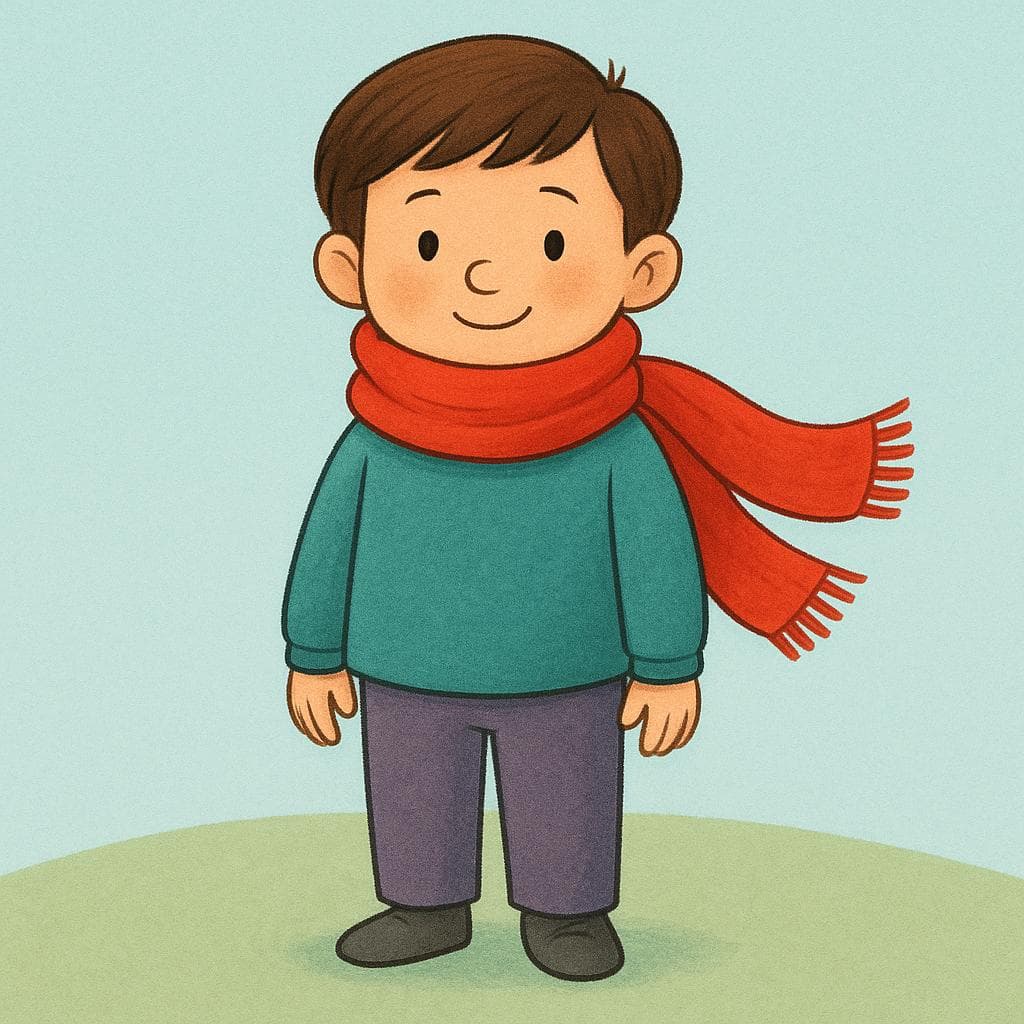
you are wearing, you have on

📝 In Action
¿Traes puesto tu abrigo nuevo?
A2Are you wearing your new coat?
¡Qué bonito anillo traes hoy!
B1What a beautiful ring you have on today!
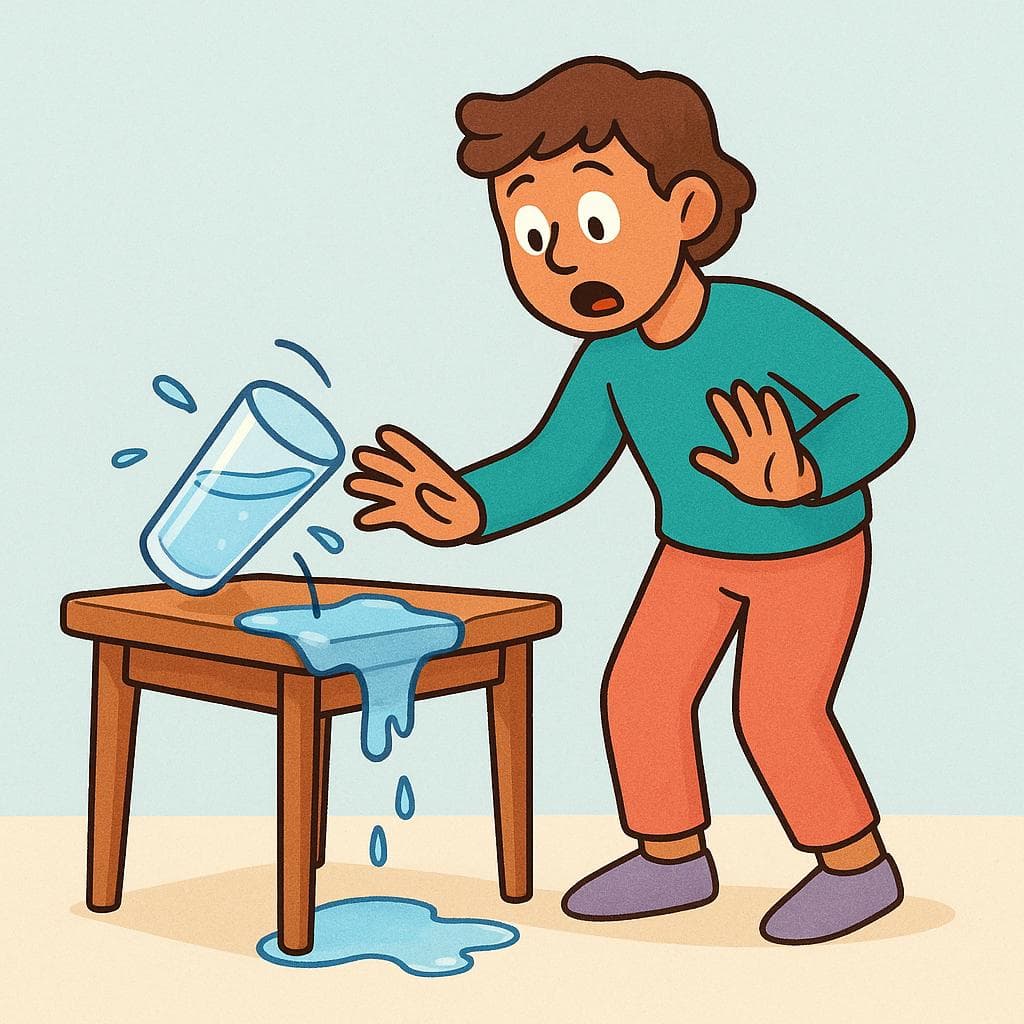
you cause, you entail
Also: you result in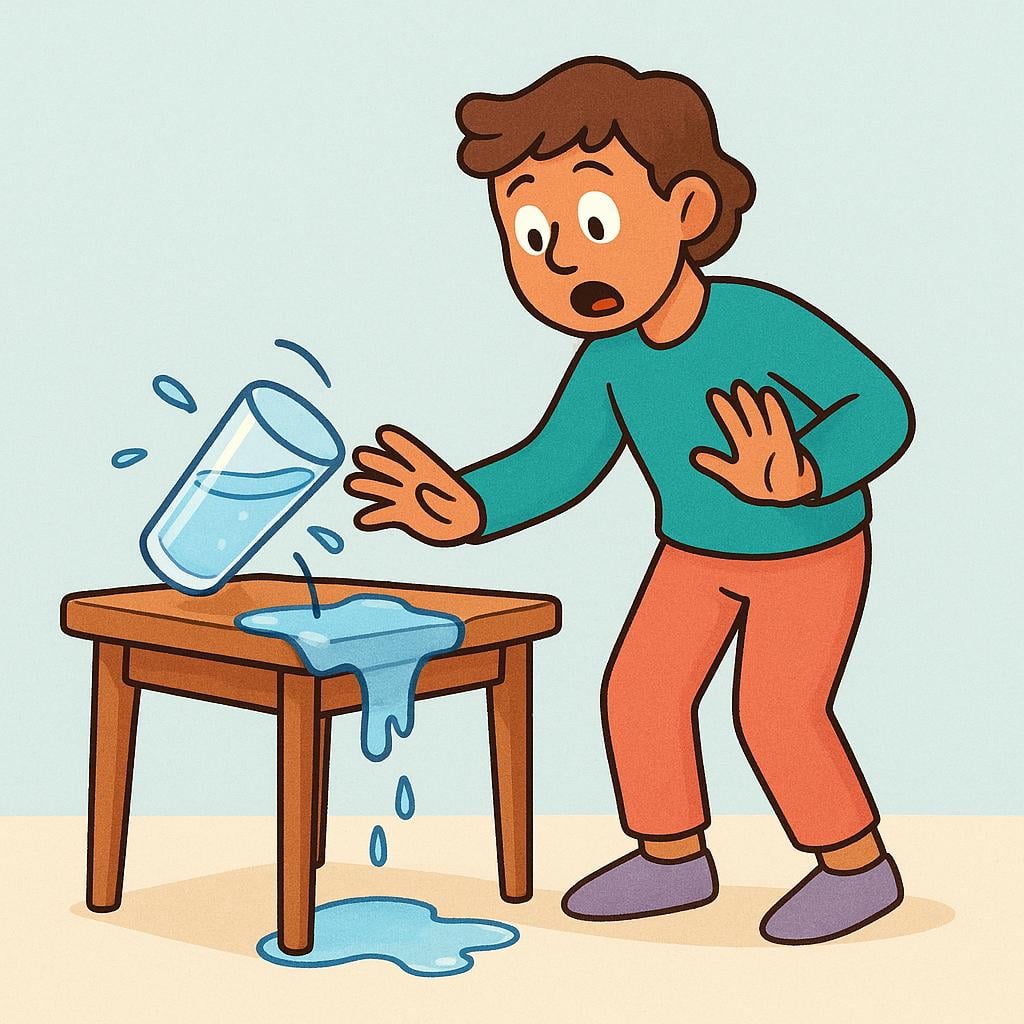
📝 In Action
Esa decisión traes muchos problemas, ¿estás seguro?
B1That decision causes many problems, are you sure?
Si traes rumores a la oficina, la gente se molestará.
B2If you bring rumors into the office, people will get upset.
Indicative
Present
Imperfect
Preterite
Subjunctive
Present Subjunctive
Imperfect Subjunctive
Translate to Spanish
✏️ Quick Practice
Quick Quiz: traes
Question 1 of 2
Which of the following is the correct formal way to ask: 'Are you bringing the wine?'
📚 More Resources
👥 Word Family▼
🎵 Rhymes▼
📚 Etymology▼
The verb 'traer' comes from the Latin verb *trahere*, which meant 'to pull' or 'to drag.' Over time, the meaning evolved from physically dragging something to simply carrying or bringing it.
First recorded: Around the 10th century
Cognates (Related words)
💡 Master Spanish
Take your Spanish to the next level. Read 200+ illustrated and narrated Spanish stories tailored to your level with the Inklingo app!
Frequently Asked Questions
Why is the 'yo' form of 'traer' so irregular?
The 'yo' form ('traigo') is highly irregular because the verb stem changed from 'tra-' to include a 'g' sound to make it easier to pronounce when followed by the 'o' ending. This irregularity is common in many high-frequency Spanish verbs!
How do I know if I should use 'traes' or 'llevas'?
Think about the direction relative to you. Use 'traes' (you bring) if the item is coming toward you or the location you are talking about. Use 'llevas' (you take) if the item is moving away from you.