tómalo
“tómalo” means “Take it” in Spanish. It has 3 different meanings depending on context:
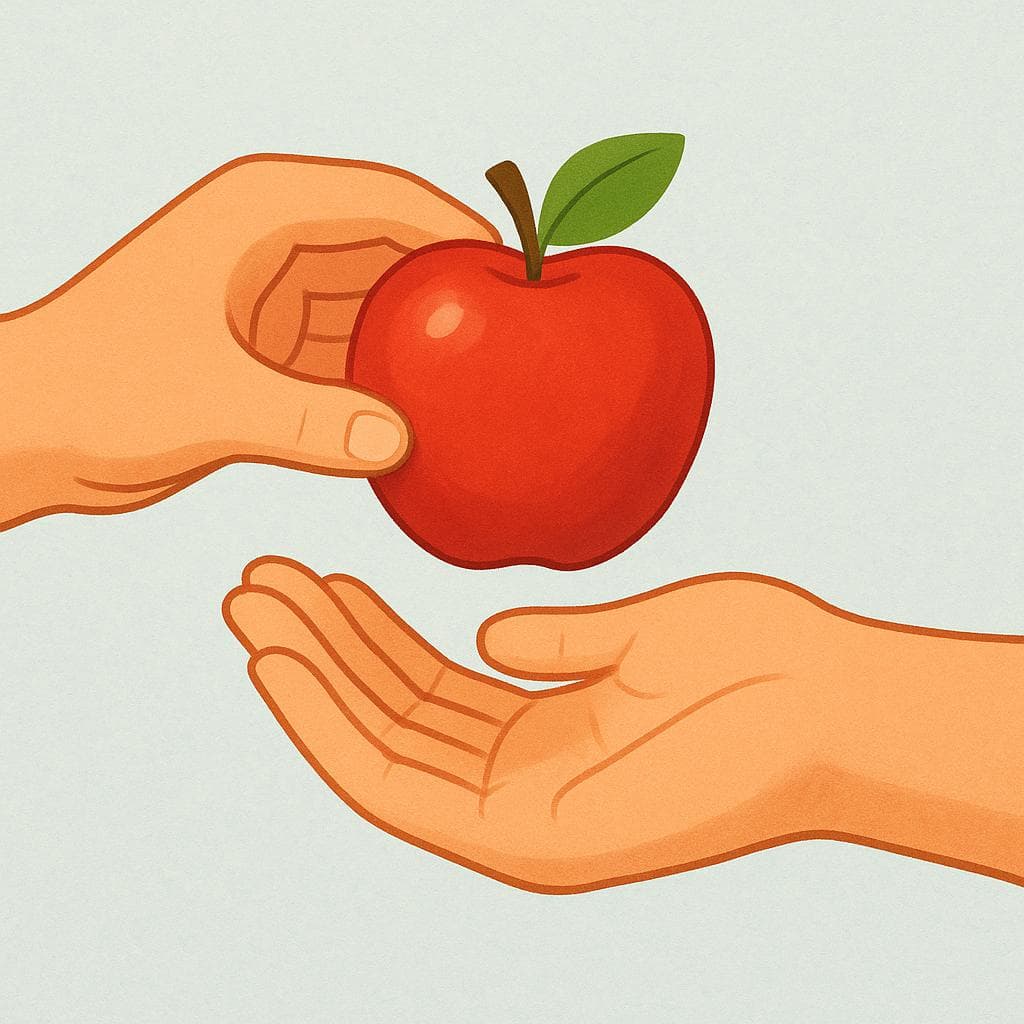


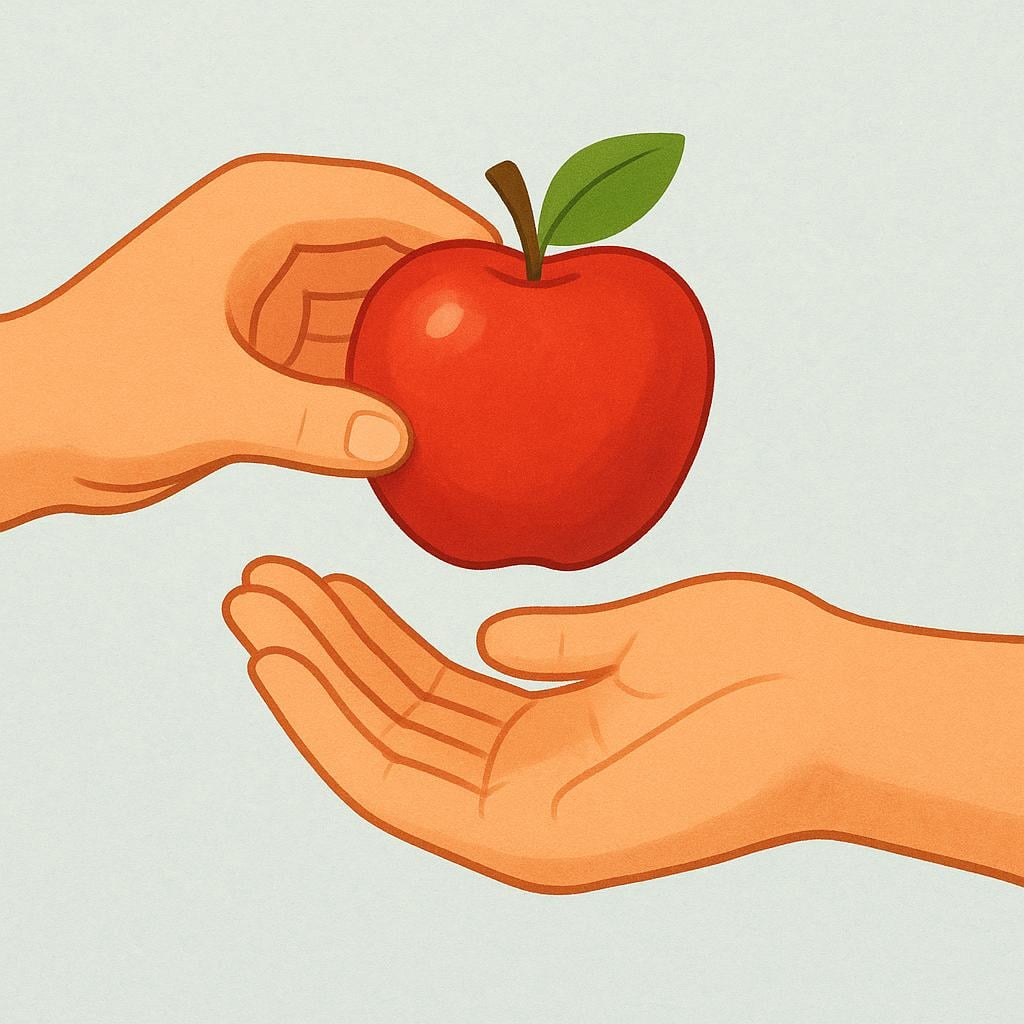
Take itAlso: Grab it, Get it
📝 In Action
Aquí está la llave. ¡Tómalo!
A1Here is the key. Take it!
Necesitas este paraguas. Tómalo, porque va a llover.
A2You need this umbrella. Take it, because it is going to rain.
Si quieres el último trozo de pizza, tómalo ya.
B1If you want the last slice of pizza, take it now.
Word Connections
Accept itAlso: Take it (well/badly), Deal with it

📝 In Action
No te lo tomes a pecho. Tómalo como una broma.
B1Don't take it to heart. Take it as a joke.
Si la vida te da limones, tómalo y haz limonada.
B2If life gives you lemons, take it and make lemonade.
Word Connections
Drink itAlso: Consume it

📝 In Action
El doctor dijo que si tienes fiebre, tómalo inmediatamente.
A2The doctor said that if you have a fever, drink it (the medicine) immediately.
Si el jugo está muy dulce, tómalo con hielo.
B1If the juice is too sweet, drink it with ice.
Word Connections
Translate to Spanish
Words that translate to "tómalo" in Spanish:
✏️ Quick Practice
Quick Quiz: tómalo
Question 1 of 2
Which Spanish command would you use to tell a child to drink their glass of milk?
📚 More Resources
👥 Word Family
🎵 Rhymes
📚 Etymology
Formed by combining the second-person singular affirmative imperative of the verb 'tomar' (to take) and the direct object pronoun 'lo' (it). The verb 'tomar' comes from late Latin *tomare*, meaning 'to take' or 'to grab.'
First recorded: Common usage dates back to the early development of Romance languages.
Cognates (Related words)
💡 Master Spanish
Take your Spanish to the next level. Read 200+ illustrated and narrated Spanish stories tailored to your level with the Inklingo app!
Frequently Asked Questions
What is the difference between 'tómalo' and 'tómela'?
'Tómalo' means 'take it' when the object you are taking is masculine (like el libro, el café). 'Tómela' means 'take it' when the object is feminine (like la llave, la pastilla/the pill). The form 'tómalo' uses the object pronoun 'lo' (it, masculine) and 'tómela' uses 'la' (it, feminine).
How do I make the formal command 'Take it'?
To speak formally (using 'usted'), you change the verb part from 'toma' to 'tome'. So, the formal command is 'tómelo' (for a masculine object) or 'tómela' (for a feminine object).