une
“une” means “joins” in Spanish (as in: he/she/it joins).
joins, unites, Join!
Also: links, connects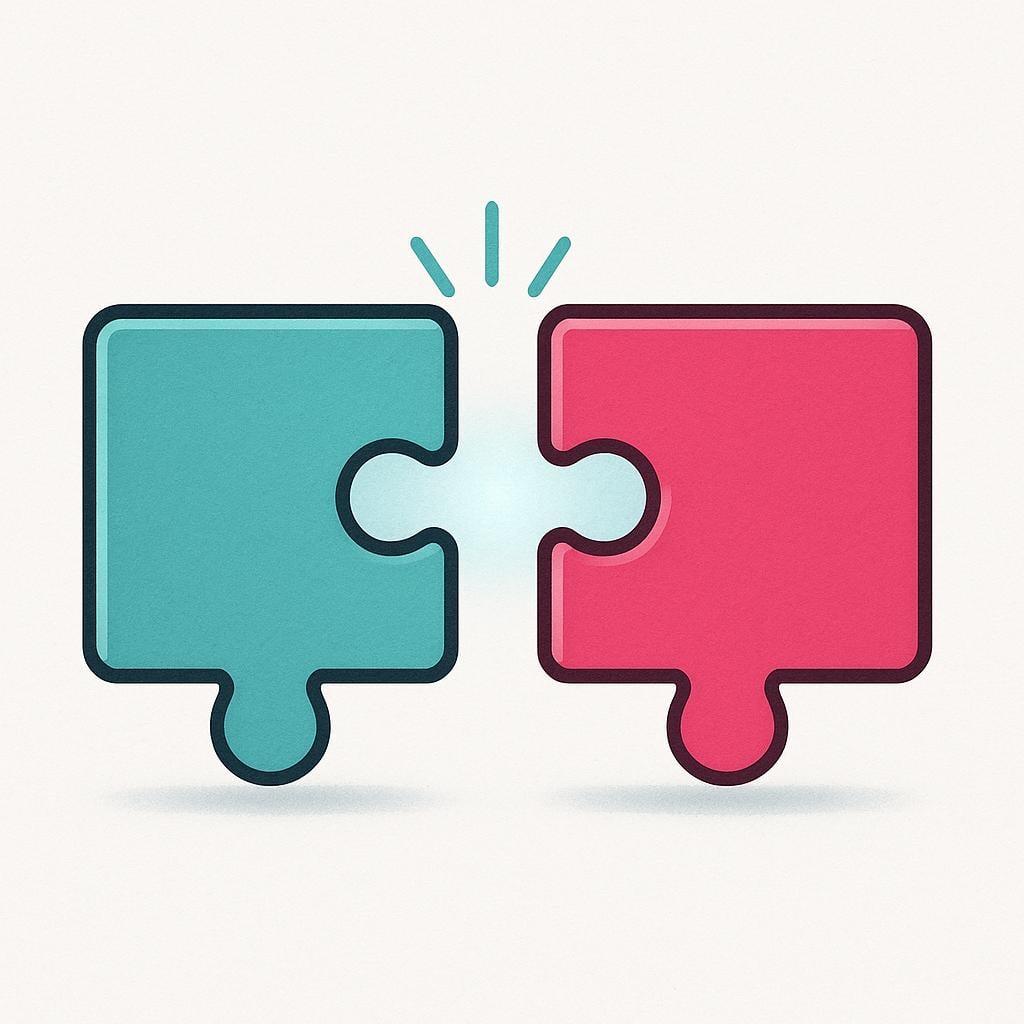
📝 In Action
El hilo rojo une nuestro destino.
B1The red thread unites our destiny.
La costura une las dos piezas de tela.
A2The seam joins the two pieces of fabric.
¡Une los puntos para ver la imagen!
A2Join the dots to see the image!
Usted une a la gente con su carisma.
B1You (formal) unite people with your charisma.
Indicative
Imperfect
Present
Preterite
Subjunctive
Imperfect Subjunctive
Present Subjunctive
✏️ Quick Practice
Quick Quiz: une
Question 1 of 2
Which English phrase best translates 'El pegamento une las piezas'?
📚 More Resources
👥 Word Family▼
🎵 Rhymes▼
📚 Etymology▼
The Spanish verb 'unir' comes straight from the Latin word 'unire,' meaning 'to make one.' It has kept its core meaning of bringing things together since ancient times.
First recorded: Medieval Spanish
Cognates (Related words)
💡 Master Spanish
Take your Spanish to the next level. Read 200+ illustrated and narrated Spanish stories tailored to your level with the Inklingo app!
Frequently Asked Questions
What is the difference between 'une' and 'unió'?
'Une' means 'he/she/it joins' (right now or generally). 'Unió' means 'he/she/it joined' (in the past, specifically one completed action). They are just different time frames of the same action.
Can 'une' refer to people?
Absolutely! You can say 'El amor une a la pareja' (Love unites the couple), meaning it forms a bond between them.