vehículos
“vehículos” means “vehicles” in Spanish. It has 2 different meanings depending on context:
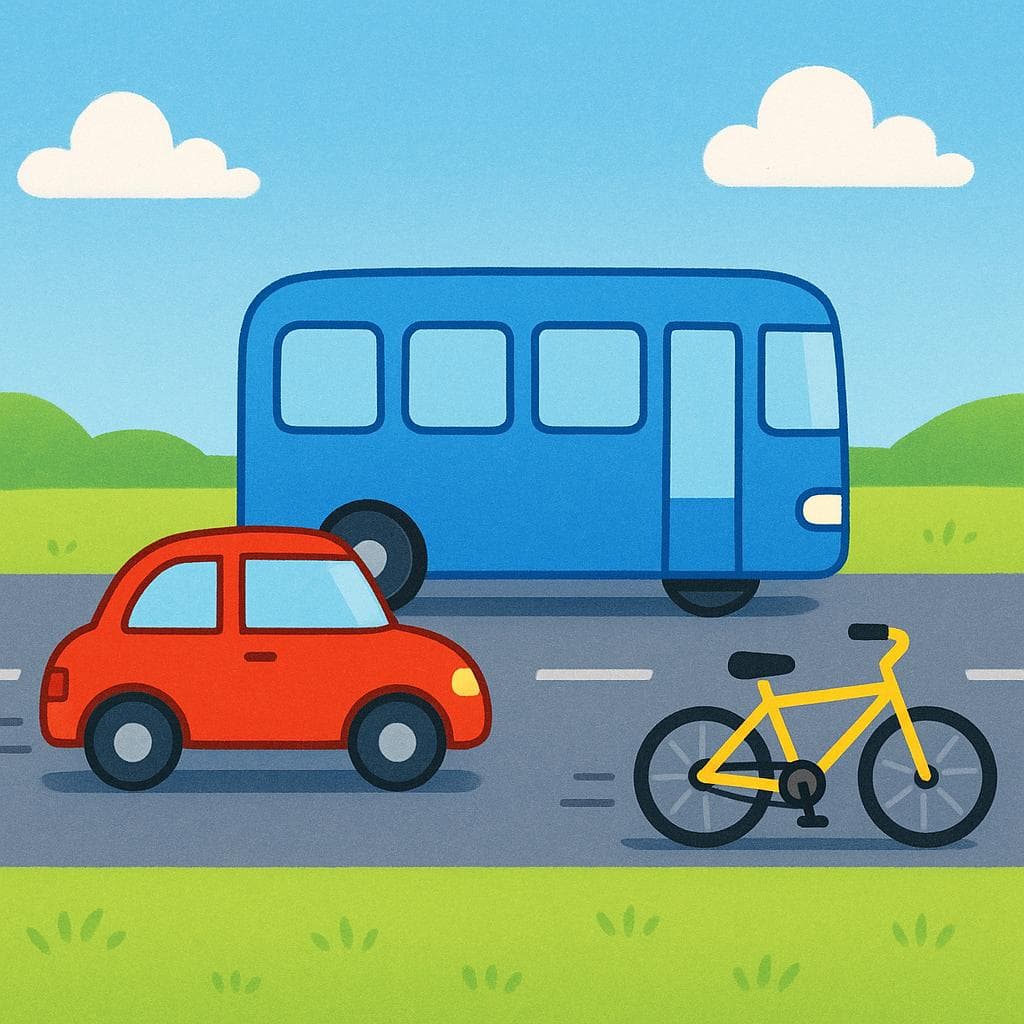

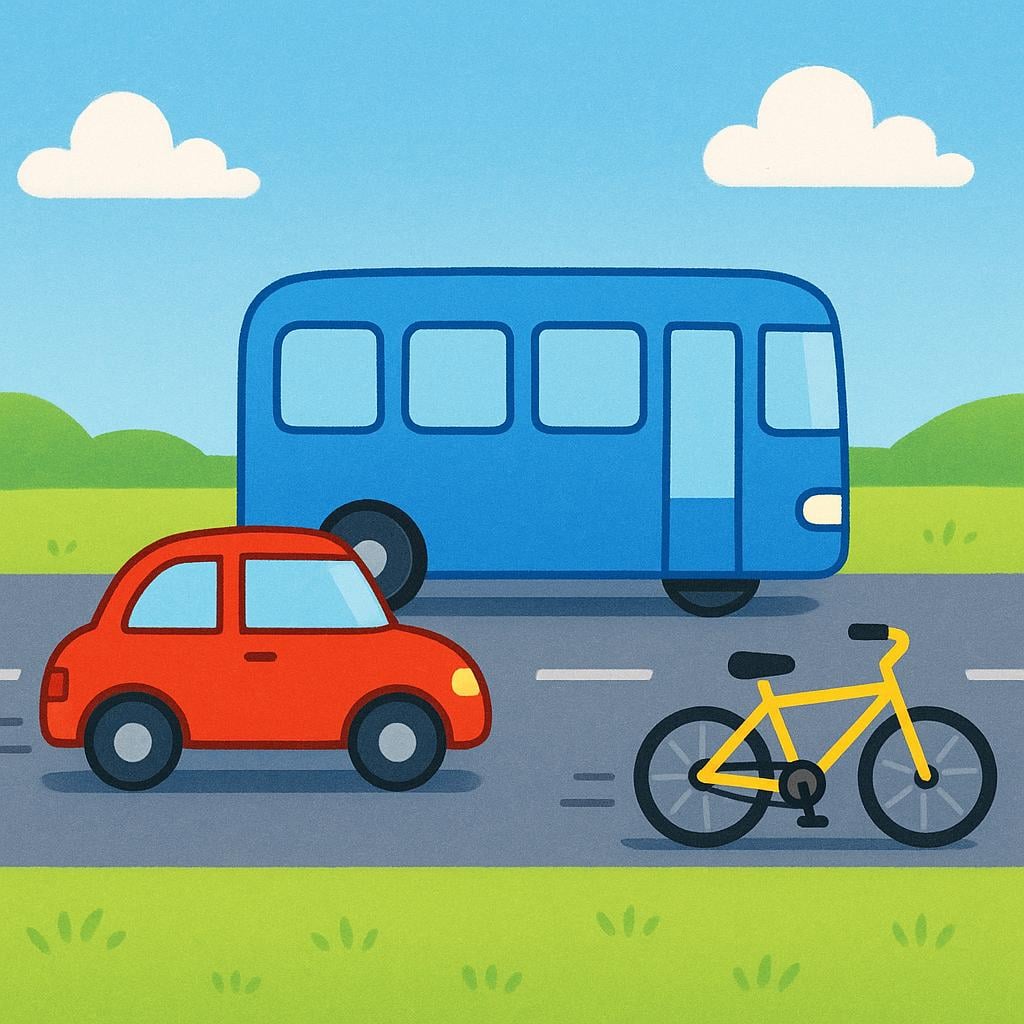
vehicles, carsAlso: means of transport
📝 In Action
Todos los **vehículos** tienen que pagar el peaje para pasar.
A1All **vehicles** have to pay the toll to pass.
Necesitamos más **vehículos** eléctricos en la ciudad para reducir la contaminación.
A2We need more electric **vehicles** in the city to reduce pollution.
El aparcamiento está lleno de **vehículos** grandes.
A1The parking lot is full of large **vehicles**.
Word Connections
vehicles, channelsAlso: avenues

📝 In Action
Los medios de comunicación son **vehículos** poderosos para la influencia política.
B2The media are powerful **vehicles** for political influence.
Consideramos que los libros son **vehículos** excelentes para transmitir conocimiento.
C1We consider books to be excellent **vehicles** for transmitting knowledge.
Word Connections
✏️ Quick Practice
Quick Quiz: vehículos
Question 1 of 2
Which sentence uses 'vehículos' in its figurative, non-transportation meaning?
📚 More Resources
👥 Word Family
🎵 Rhymes
📚 Etymology
The word comes directly from the Latin *vehiculum*, which meant 'a means of carrying' or 'a conveyance.' It shares an ancient root with verbs like 'to convey' and 'to travel,' emphasizing the core idea of movement.
First recorded: 15th century (in Spanish)
Cognates (Related words)
💡 Master Spanish
Take your Spanish to the next level. Read 200+ illustrated and narrated Spanish stories tailored to your level with the Inklingo app!
Frequently Asked Questions
¿Es 'vehículos' una palabra masculina o femenina?
Es una palabra masculina. Por eso, usamos 'los vehículos' (the vehicles) y no 'las vehículos'.
How do I pronounce the 'h' in 'vehículos'?
The 'h' is silent, just like in most Spanish words. You should pronounce it as if the word started with the 'e': 'veh-EE-ku-los'.