carros
“carros” means “cars” in Spanish. It has 2 different meanings depending on context:
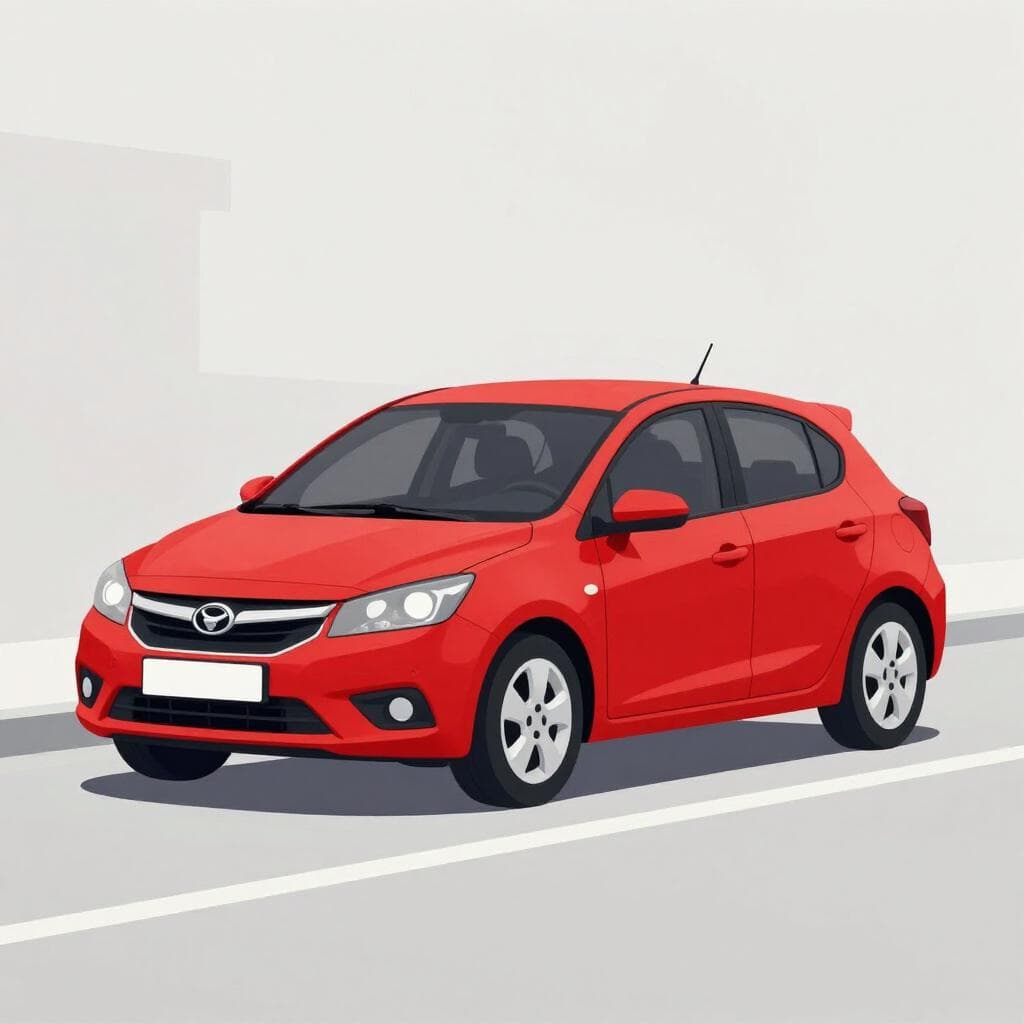

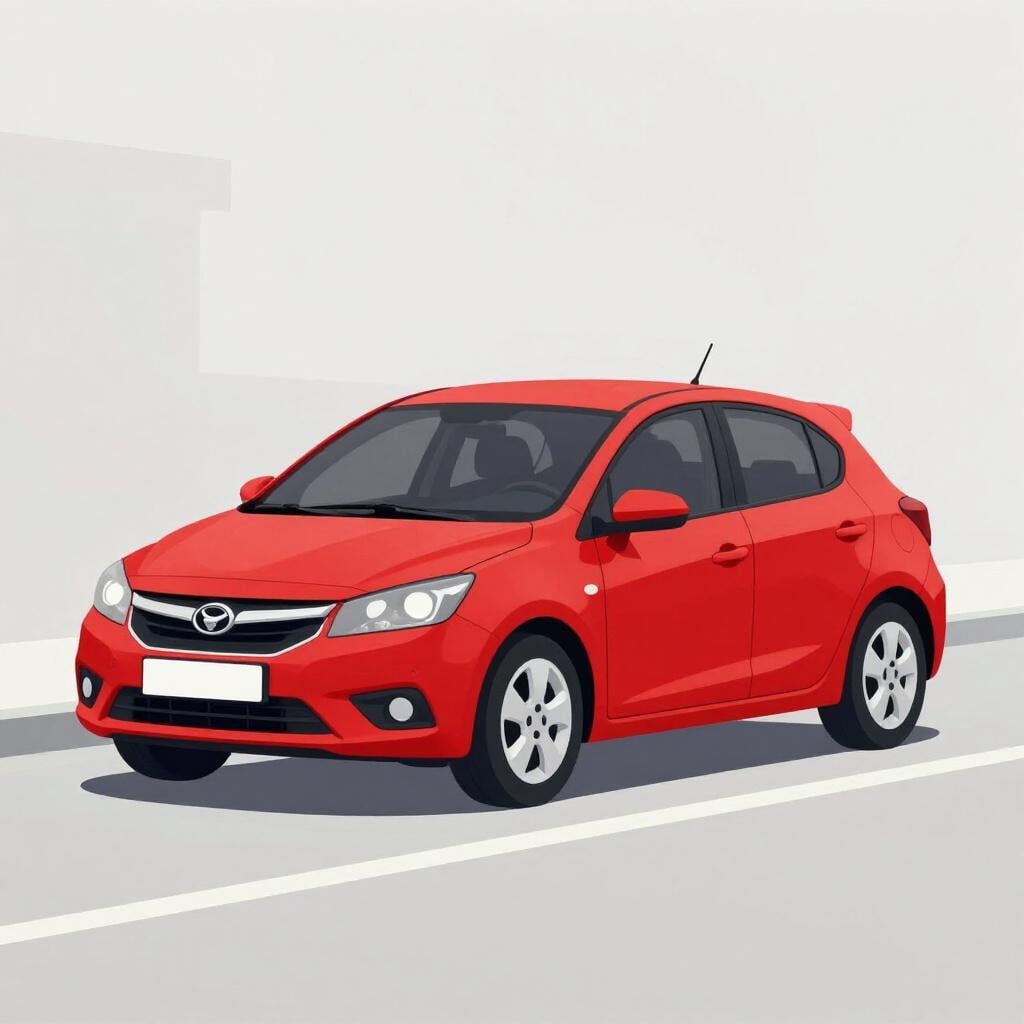
carsAlso: autos
📝 In Action
Hay muchos carros en la calle hoy.
A1There are many cars on the street today.
Me gustan los carros rojos.
A1I like red cars.
Word Connections
cartsAlso: wagons

📝 In Action
Necesitamos dos carros para todas las compras.
A2We need two carts for all the groceries.
Los caballos tiraban de los carros.
B1The horses were pulling the wagons.
Word Connections
✏️ Quick Practice
Quick Quiz: carros
Question 1 of 2
If you are in Mexico and someone says 'Lava los carros', what are they asking you to wash?
📚 More Resources
👥 Word Family
🎵 Rhymes
📚 Etymology
From the Latin word 'carrus', which actually came from a Celtic word for a two-wheeled war chariot. It's the ancestor of the English word 'car' too!
First recorded: 13th century
Cognates (Related words)
💡 Master Spanish
Take your Spanish to the next level. Read 200+ illustrated and narrated Spanish stories tailored to your level with the Inklingo app!
Frequently Asked Questions
Is 'carros' masculine or feminine?
It is masculine. You should always use masculine articles and adjectives with it, like 'los carros' or 'nuestros carros'.
What is the difference between 'carro' and 'carros'?
'Carro' refers to one car or cart, while 'carros' refers to two or more.