How to Say "wagons" in Spanish
The most common Spanish word for “wagons” is “carros” — use 'carros' when referring to a horse-drawn cart or a simple vehicle used for carrying goods, similar to a cart or wain.

carros
KAH-rrohsˈkaros

Examples
Necesitamos dos carros para todas las compras.
We need two carts for all the groceries.
Los caballos tiraban de los carros.
The horses were pulling the wagons.
Context is Key
When you are at a supermarket, 'carros' automatically refers to shopping carts, even without saying 'de compra'.
coches
KOH-chehsˈko.tʃes
Examples
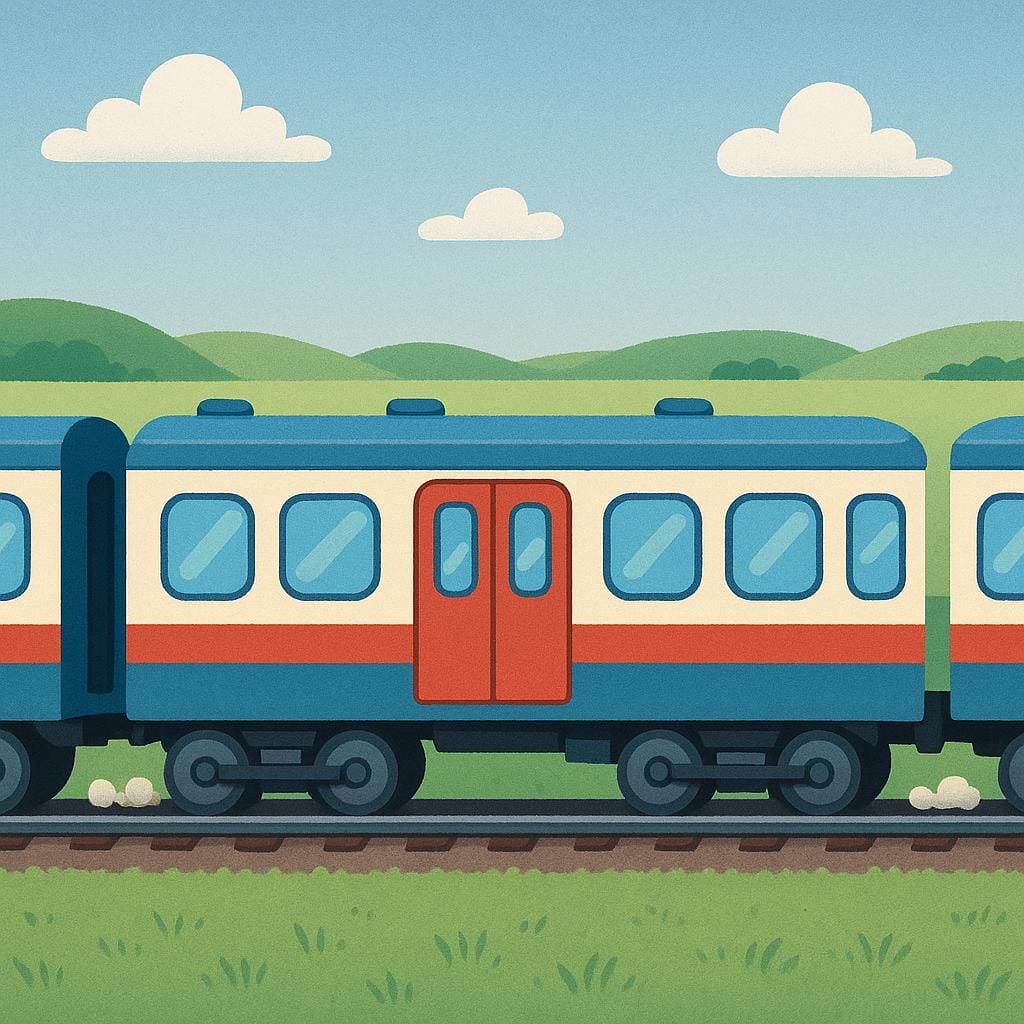
Los billetes indican el número de coche y asiento.
The tickets indicate the carriage and seat number.
El tren de la línea azul tiene solo tres coches.
The blue line train only has three carriages.
Context is Key
When discussing rail travel or transportation systems, 'coches' usually refers to the section of the train or subway, not a personal automobile.
Carros vs. Coches: Context is Key
Related Translations
Learn Spanish with Inklingo
Interactive stories, personalized learning, and more.