How to Say "vehicles" in Spanish
The most common Spanish word for “vehicles” is “coches” — use 'coches' for the most common type of road vehicle, especially cars and automobiles.

coches
KOH-chehsˈko.tʃes
Examples
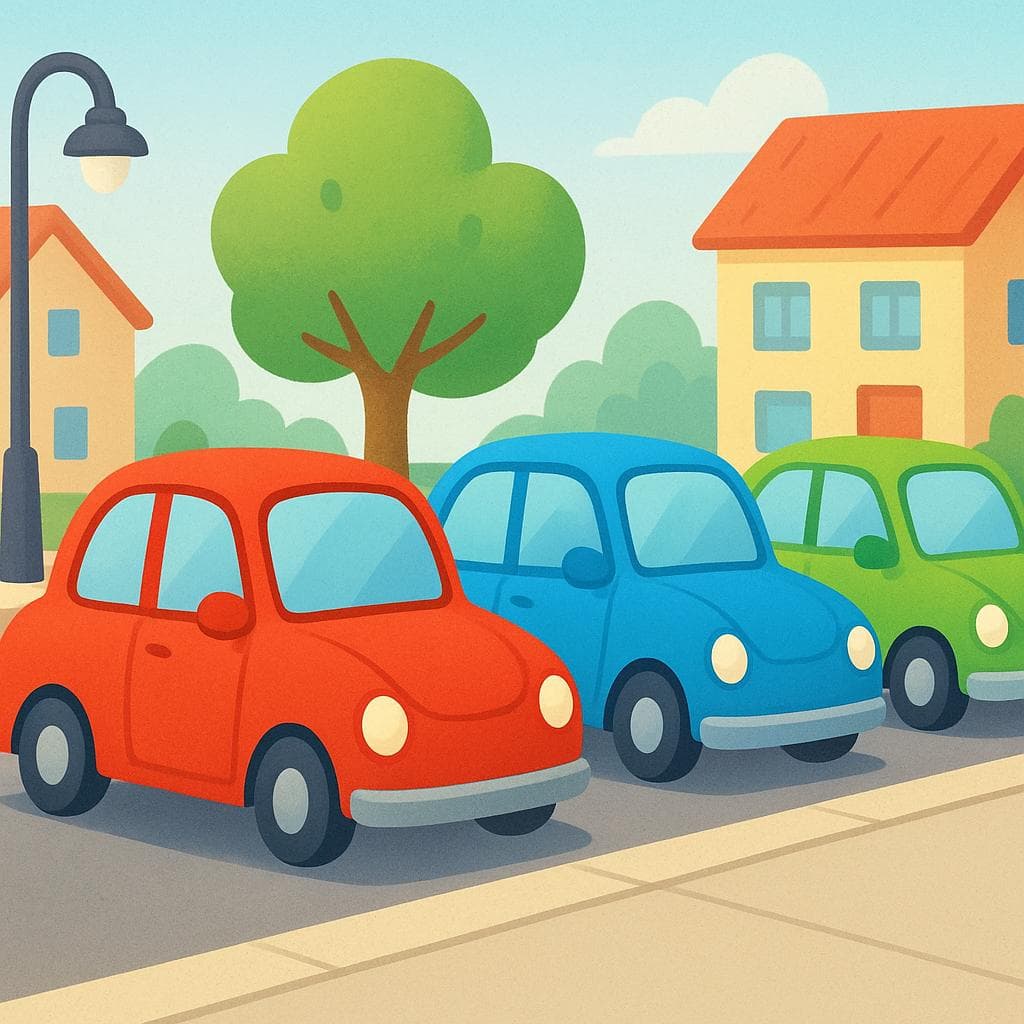
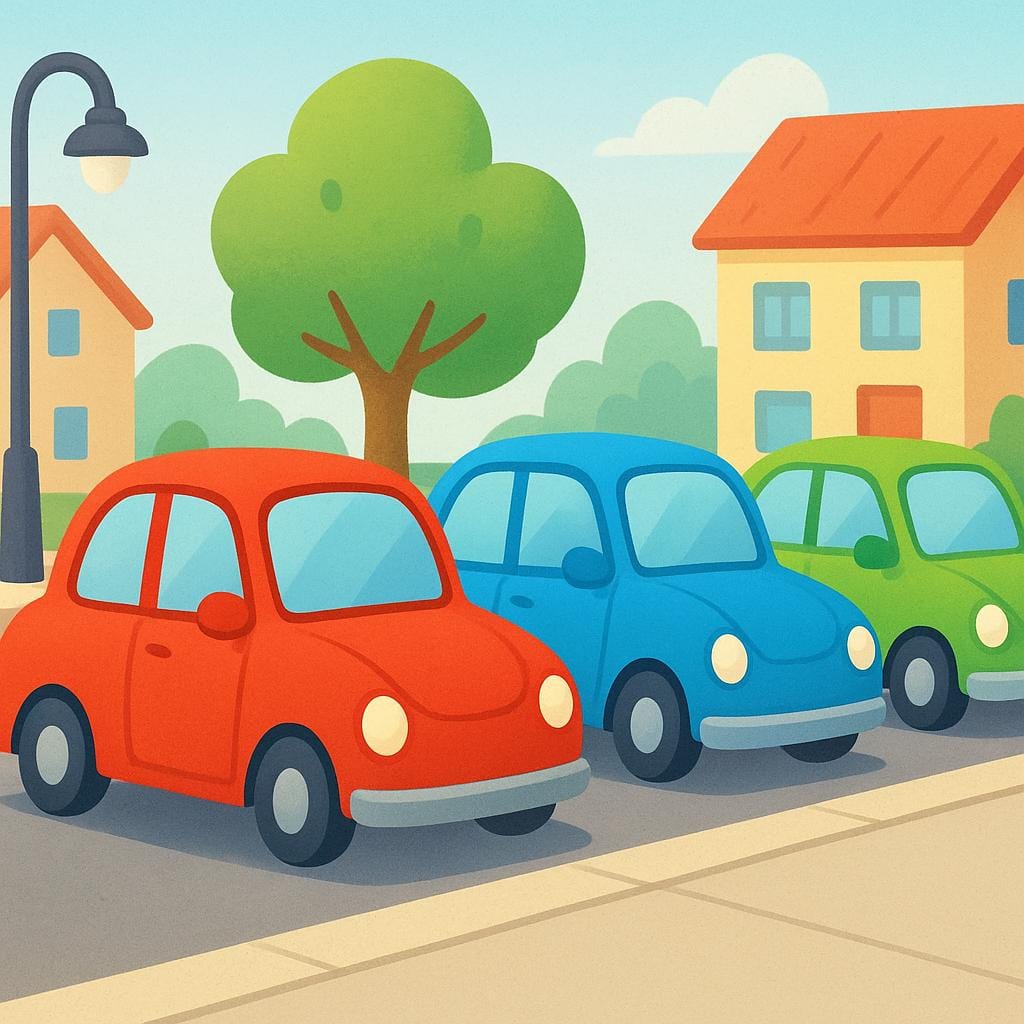
Hay muchos coches aparcados en la calle.
There are many cars parked on the street.
Mis padres compraron dos coches nuevos este año.
My parents bought two new cars this year.
Los coches eléctricos son más silenciosos.
Electric cars are quieter.
Plural Noun Rule
Since 'coche' ends in a vowel, you just add '-s' to make it plural: 'coche' (one car) becomes 'coches' (many cars).
Gender Confusion
Mistake: “La coches”
Correction: The singular form 'coche' is masculine, so the plural must use the masculine article: 'Los coches'.
autos
AH-tohsˈau̯.tos

Examples
Necesitamos dos autos para llevar a todas las personas a la fiesta.
We need two cars to take everyone to the party.
Los autos modernos tienen mucha tecnología.
Modern automobiles have a lot of technology.
Gender Reminder
Even though 'auto' ends in -o, it is the shortened form of 'automóvil', which is masculine. Always use masculine articles: 'los autos'.
Regional Confusion
Mistake: “Using 'autos' when speaking to someone from Spain who might primarily use 'coches'.”
Correction: While 'autos' is understood everywhere, try using 'coche' if you are communicating mainly with people from Spain, or stick to 'auto' for Latin America.
vehículos
Examples
Todos los vehículos tienen que pagar el peaje para pasar.
All vehicles have to pay the toll to pass.
vehículos
Examples
Los medios de comunicación son vehículos poderosos para la influencia política.
The media are powerful vehicles for political influence.
Cars vs. All Transport
Related Translations
Learn Spanish with Inklingo
Interactive stories, personalized learning, and more.