vejiga
“vejiga” means “bladder” in Spanish. It has 2 different meanings depending on context:
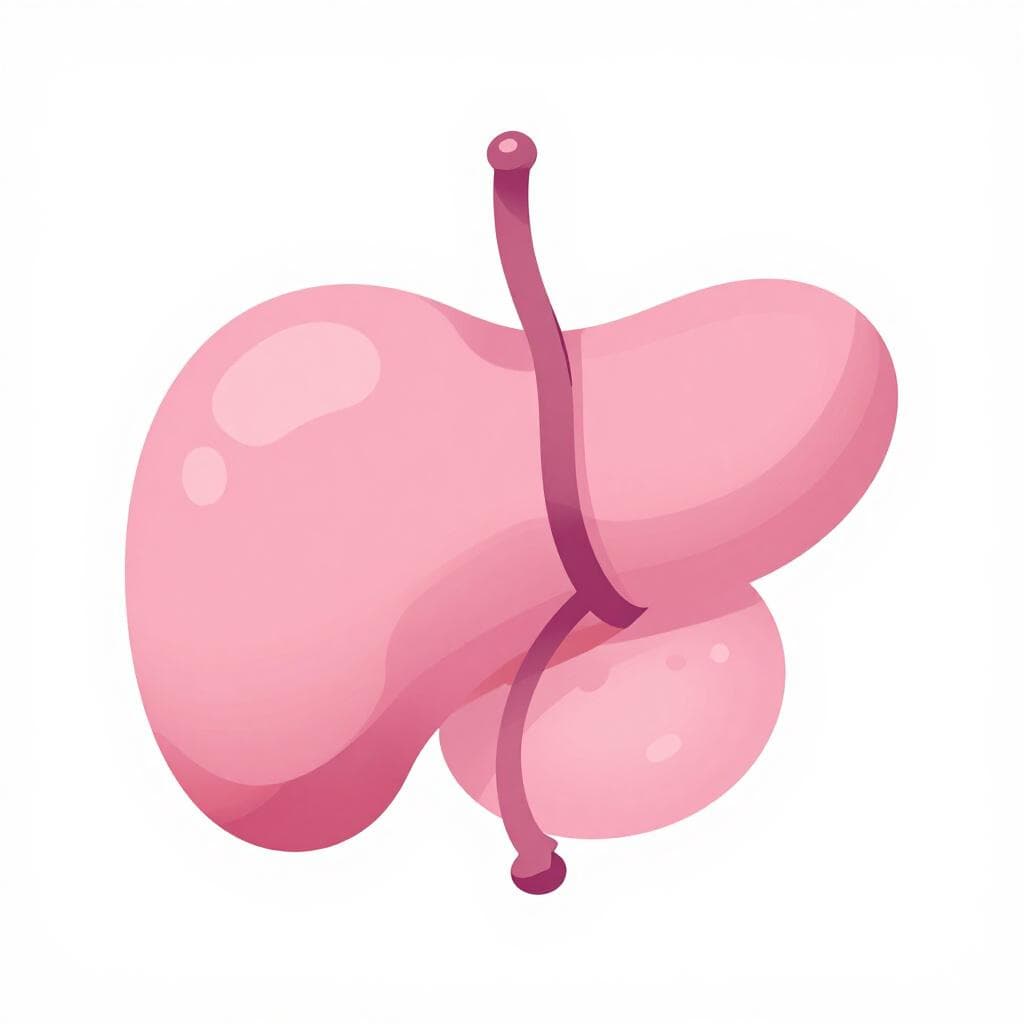

bladder
Also: air sac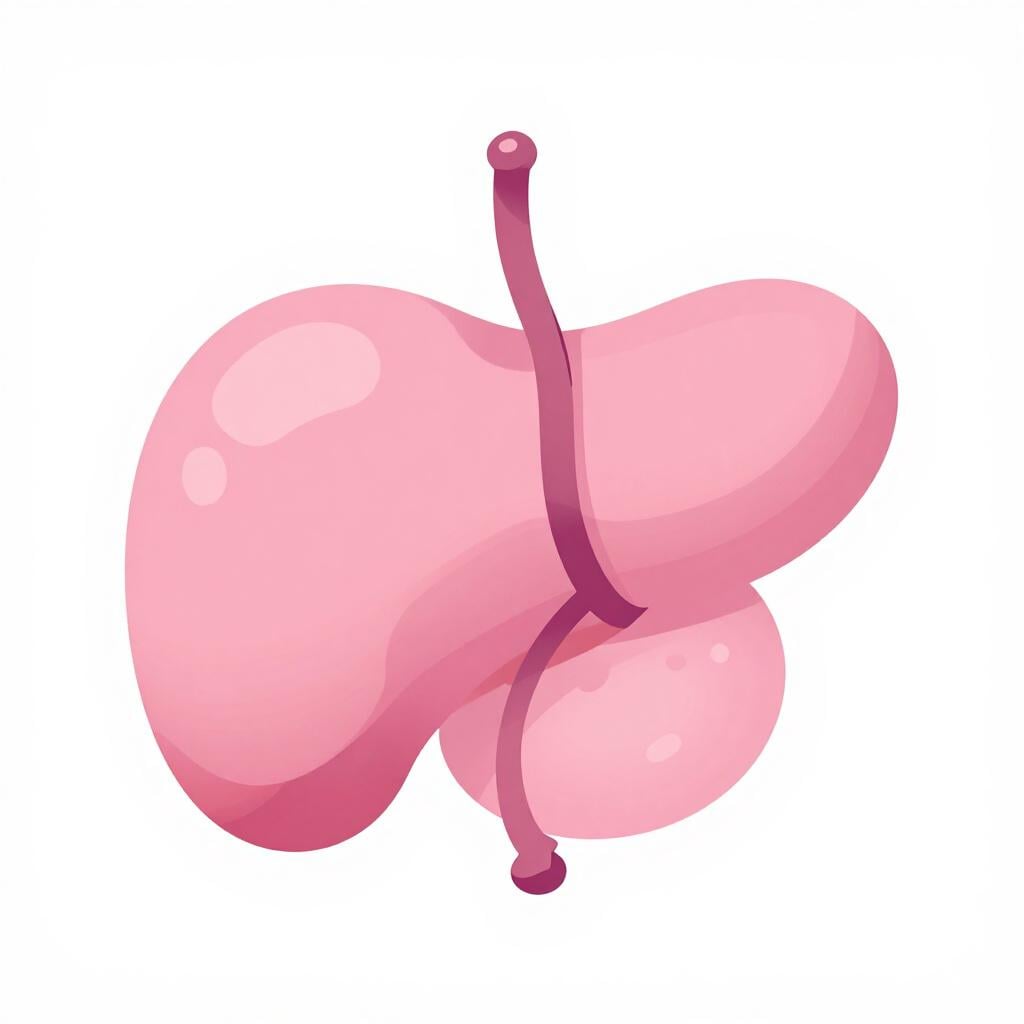
📝 In Action
Tengo que ir al baño porque tengo la vejiga llena.
A2I have to go to the bathroom because I have a full bladder.
El médico me hizo una ecografía de la vejiga.
B1The doctor did an ultrasound of my bladder.
Algunos peces tienen una vejiga natatoria para flotar.
C1Some fish have a swim bladder to stay afloat.
blister
Also: bubble
📝 In Action
Me salió una vejiga en el talón por los zapatos nuevos.
B1I got a blister on my heel from my new shoes.
No te rompas la vejiga, se puede infectar.
B2Don't pop the blister; it could get infected.
La pintura tiene vejigas por el calor.
C1The paint has bubbles because of the heat.
✏️ Quick Practice
Quick Quiz: vejiga
Question 1 of 3
If you need to use the bathroom urgently, how might you describe your 'vejiga'?
📚 More Resources
👥 Word Family▼
📚 Etymology▼
From the Latin word 'vesīca', which meant bladder, balloon, or something thin and inflated.
First recorded: 13th century
Cognates (Related words)
💡 Master Spanish
Take your Spanish to the next level. Read 200+ illustrated and narrated Spanish stories tailored to your level with the Inklingo app!
Frequently Asked Questions
Is 'vejiga' the same as 'burbuja'?
Not exactly. 'Vejiga' is usually an organ or a skin blister. 'Burbuja' is a bubble made of soap, water, or air in a liquid.
How do I say 'bladder infection'?
You say 'infección de la vejiga' or more medically 'cistitis'.
Can 'vejiga' refer to a balloon?
Historically yes, because old balloons were made from animal bladders, but today you should use 'globo' for a toy balloon.