verbal
“verbal” means “verbal” in Spanish. It has 2 different meanings depending on context:
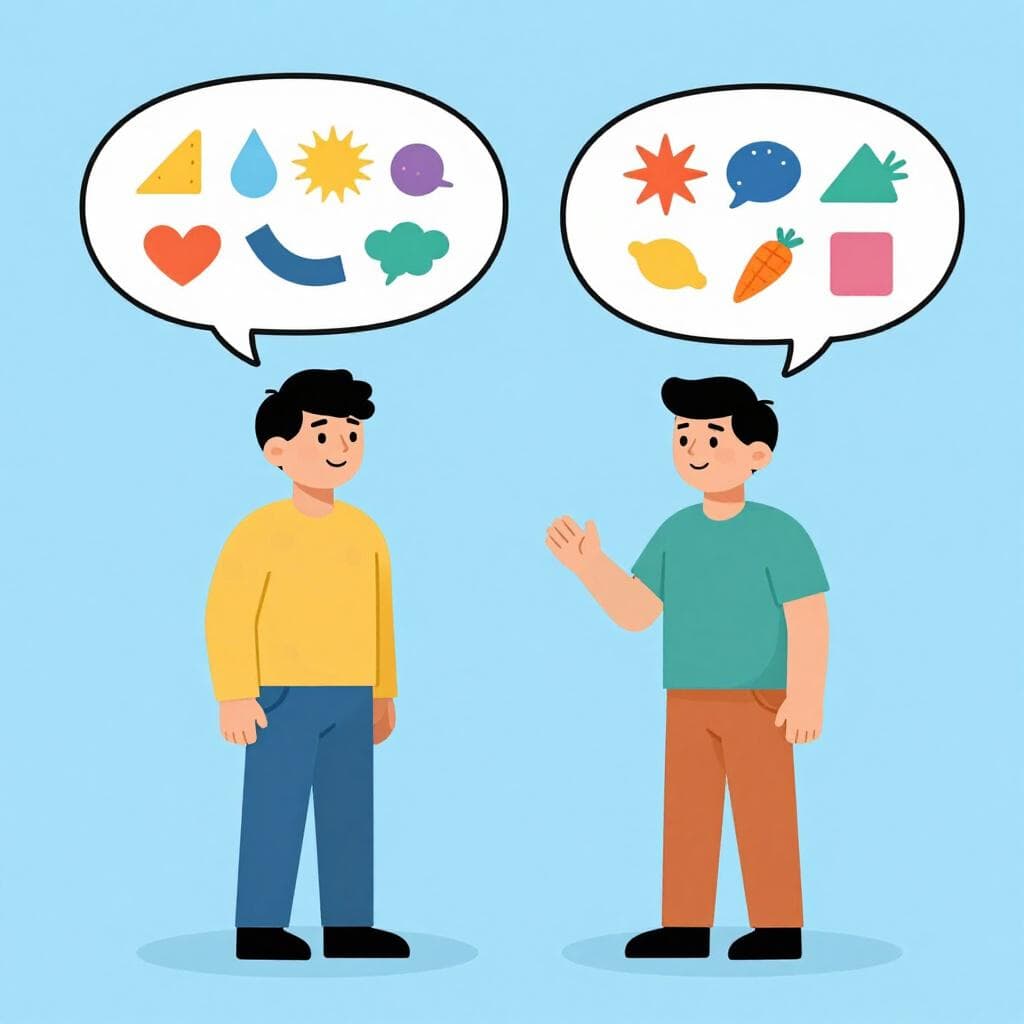

verbal
Also: spoken, oral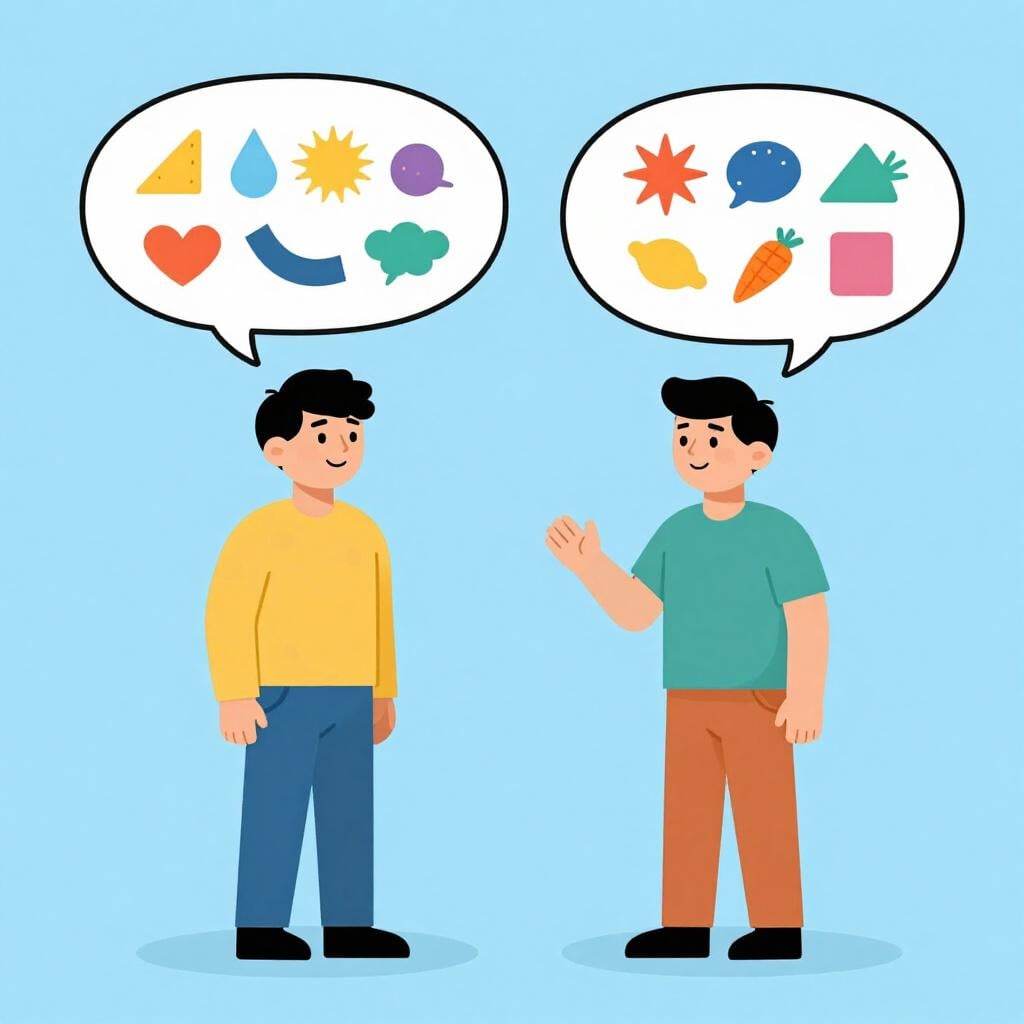
📝 In Action
Prefiero un acuerdo verbal que uno escrito.
A2I prefer a verbal agreement over a written one.
Ella tiene una gran habilidad verbal.
B1She has great verbal ability.
La comunicación no verbal incluye los gestos.
B2Non-verbal communication includes gestures.
verbal

📝 In Action
Tienes que conjugar la forma verbal correctamente.
B1You have to conjugate the verb form correctly.
El sistema verbal del español es complejo.
B2The Spanish verb system is complex.
Una perífrasis verbal usa dos verbos juntos.
C1A verbal periphrasis uses two verbs together.
✏️ Quick Practice
Quick Quiz: verbal
Question 1 of 3
If you have an 'acuerdo verbal' with someone, how was the agreement made?
📚 More Resources
👥 Word Family▼
📚 Etymology▼
From the Latin word 'verbalis', which comes from 'verbum', meaning simply 'word'.
First recorded: 13th century
Cognates (Related words)
💡 Master Spanish
Take your Spanish to the next level. Read 200+ illustrated and narrated Spanish stories tailored to your level with the Inklingo app!
Frequently Asked Questions
Does 'verbal' change for gender?
No. It is a 'gender-neutral' adjective in Spanish, meaning it remains 'verbal' whether you are describing a masculine noun (el tiempo verbal) or a feminine noun (la prueba verbal).
Is 'verbal' the same as 'oral'?
Mostly, yes. In many contexts like 'examen oral' or 'examen verbal', they are interchangeable. However, 'verbal' is also used specifically for grammar (verb forms), where 'oral' would not make sense.
How do you say 'verbally'?
You can use the adverb 'verbalmente' or the common phrase 'de palabra'.