violín
“violín” means “violin” in Spanish. It has 2 different meanings depending on context:
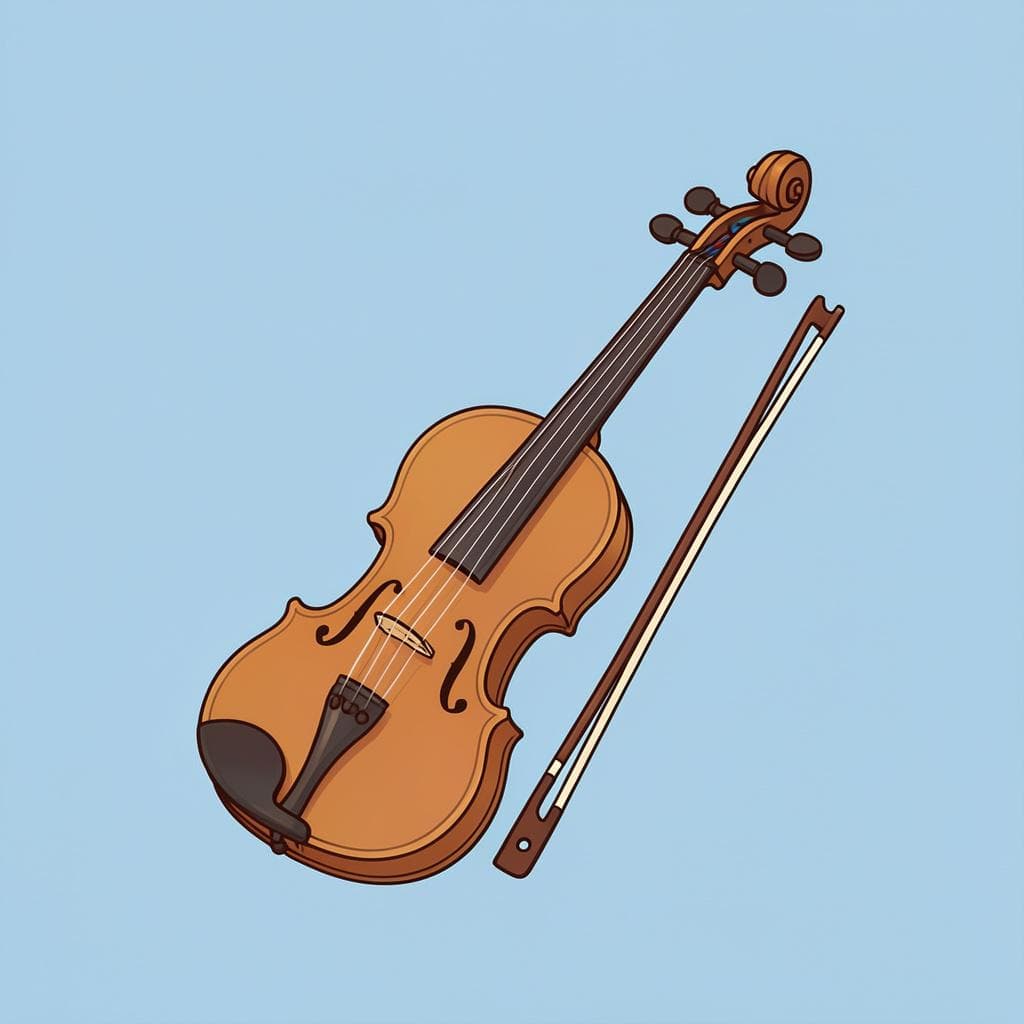

violin
Also: fiddle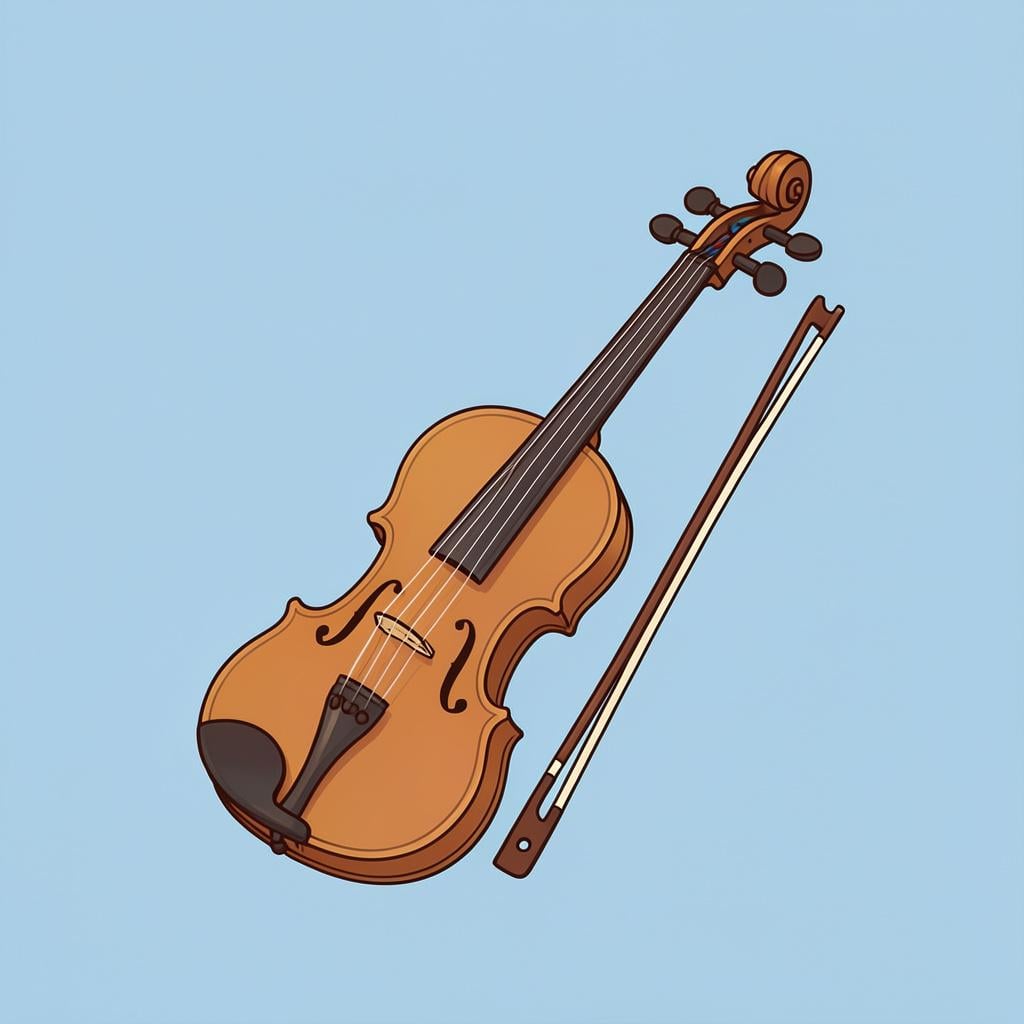
📝 In Action
Ella practica el violín tres horas al día.
A1She practices the violin three hours a day.
El violín tiene un sonido muy agudo.
A2The violin has a very high-pitched sound.
Mi abuelo me regaló un violín antiguo.
B1My grandfather gave me an antique violin.
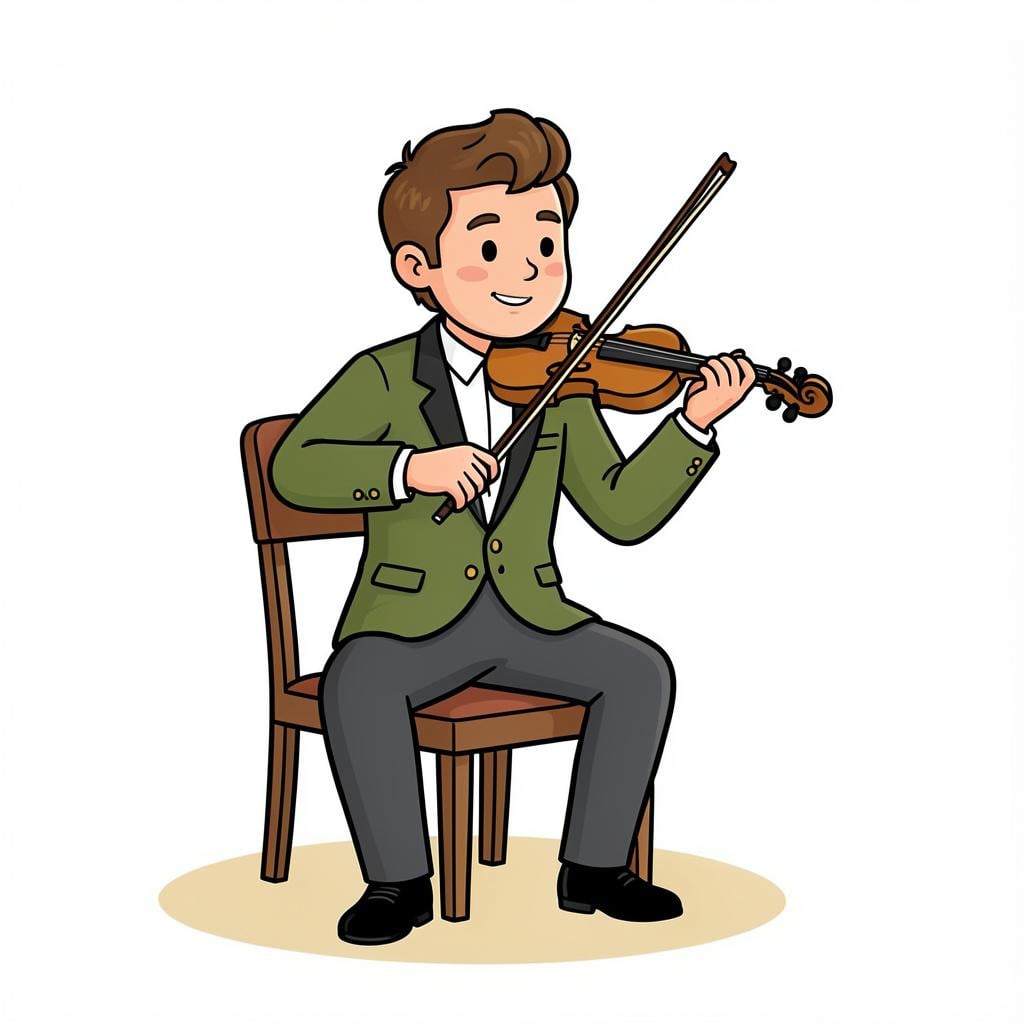
violinist
📝 In Action
Él es el primer violín de la orquesta filarmónica.
B2He is the first violinist (concertmaster) of the philharmonic orchestra.
Translate to Spanish
✏️ Quick Practice
Quick Quiz: violín
Question 1 of 2
Which verb is used to say 'to play the violin' in Spanish?
📚 More Resources
👥 Word Family▼
🎵 Rhymes▼
📚 Etymology▼
From Italian 'violino', which is a smaller version of the 'viola'.
First recorded: 17th century
Cognates (Related words)
💡 Master Spanish
Take your Spanish to the next level. Read 200+ illustrated and narrated Spanish stories tailored to your level with the Inklingo app!
Frequently Asked Questions
Is 'violín' masculine or feminine?
It is masculine: 'el violín' (the violin) and 'un violín' (a violin).
What is the difference between 'violín' and 'violinista'?
'Violín' is the instrument itself, while 'violinista' is the person who plays it. However, in an orchestra, you might call the lead player the 'primer violín'.