volviera
“volviera” means “(that I/he/she) returned” in Spanish (Used in wishes or necessity clauses).
(that I/he/she) returned, were to return
Also: (that I/he/she) came back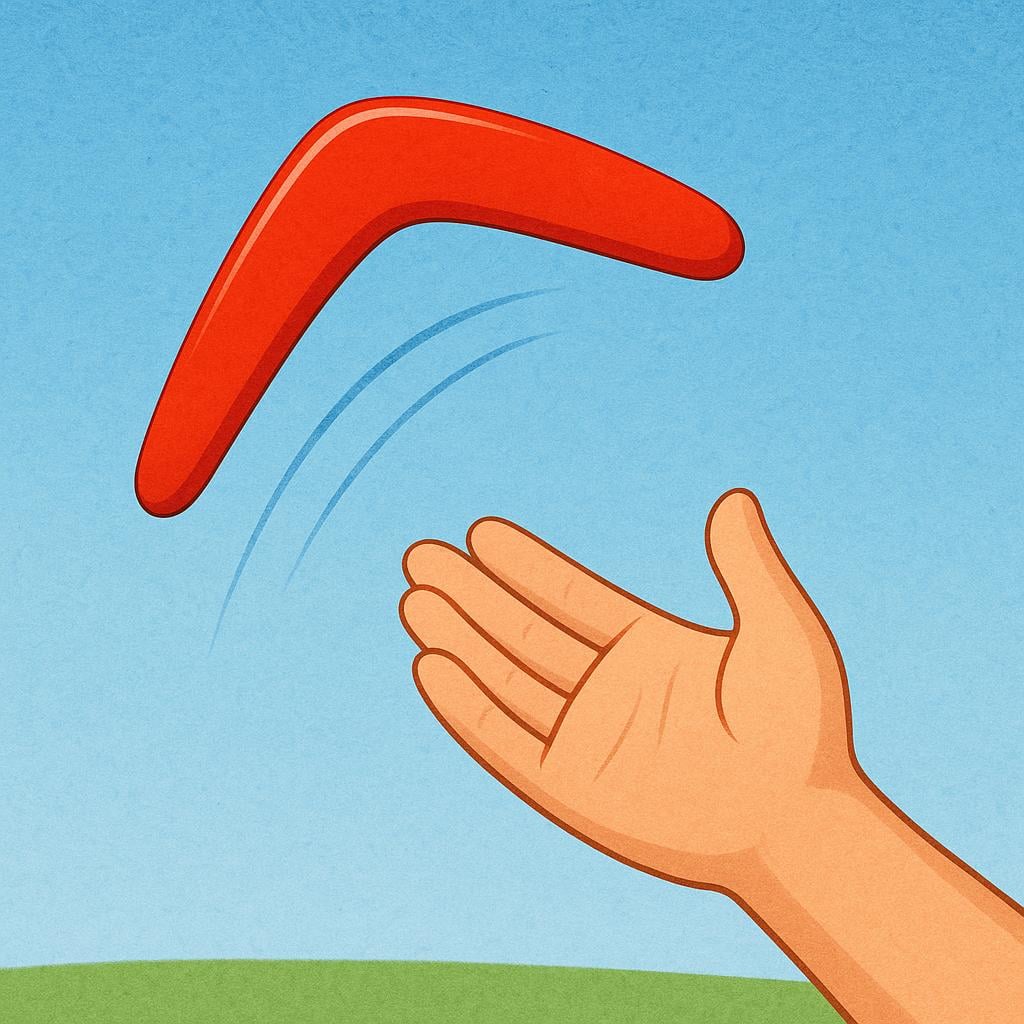
📝 In Action
Esperaba que mi hermano volviera antes de la cena.
B2I hoped that my brother would return before dinner.
Si volviera a nacer, elegiría la misma profesión.
C1If I were born again (were to return to be born), I would choose the same profession.
Era necesario que usted volviera a firmar los papeles.
B2It was necessary that you return to sign the papers.
🔄 Conjugations
indicative
present
imperfect
preterite
subjunctive
present
imperfect
✏️ Quick Practice
Quick Quiz: volviera
Question 1 of 2
Which sentence correctly uses 'volviera' to express a past desire?
📚 More Resources
👥 Word Family▼
📚 Etymology▼
The verb *volver* comes from the Latin word *volvere*, meaning 'to roll' or 'to turn.' This root explains both the 'return' meaning (turning back) and the figurative meaning of 'turning' or 'changing' something.
First recorded: 13th century
Cognates (Related words)
💡 Master Spanish
Take your Spanish to the next level. Read 200+ illustrated and narrated Spanish stories tailored to your level with the Inklingo app!
Frequently Asked Questions
Is 'volviera' the same as 'volvió'?
No, they are very different! 'Volvió' is the simple past tense (He returned), used for facts. 'Volviera' is the special subjunctive past form (That he returned), used for wishes, doubts, or hypothetical situations.
Can I use 'volviera' to talk about the future?
Yes, but only in hypothetical sentences! For example, 'Si volviera a llover...' means 'If it were to rain again...'—the action is future, but the form is used because the situation is hypothetical.