Dar chance
dar CHAN-seh
🎨 Literal vs. Figurative
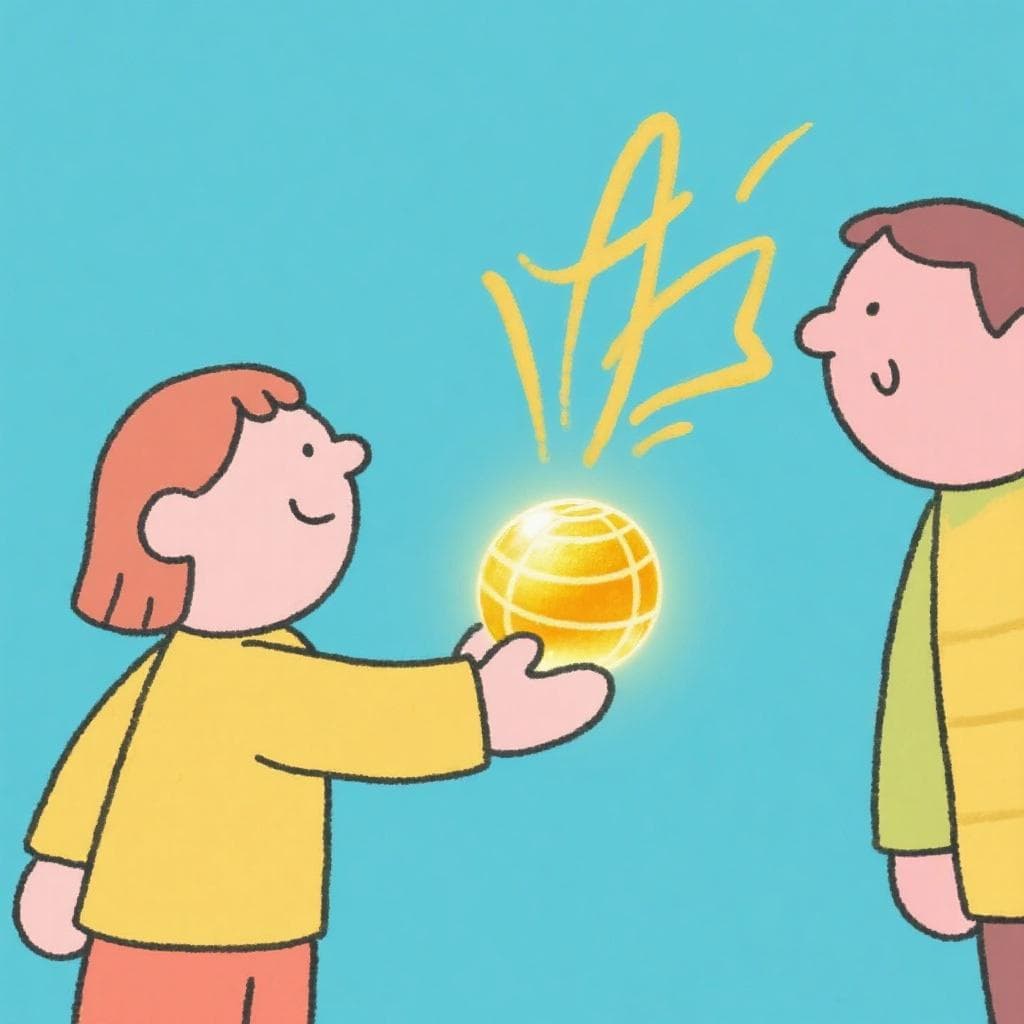
Literally, this means 'to give chance'.
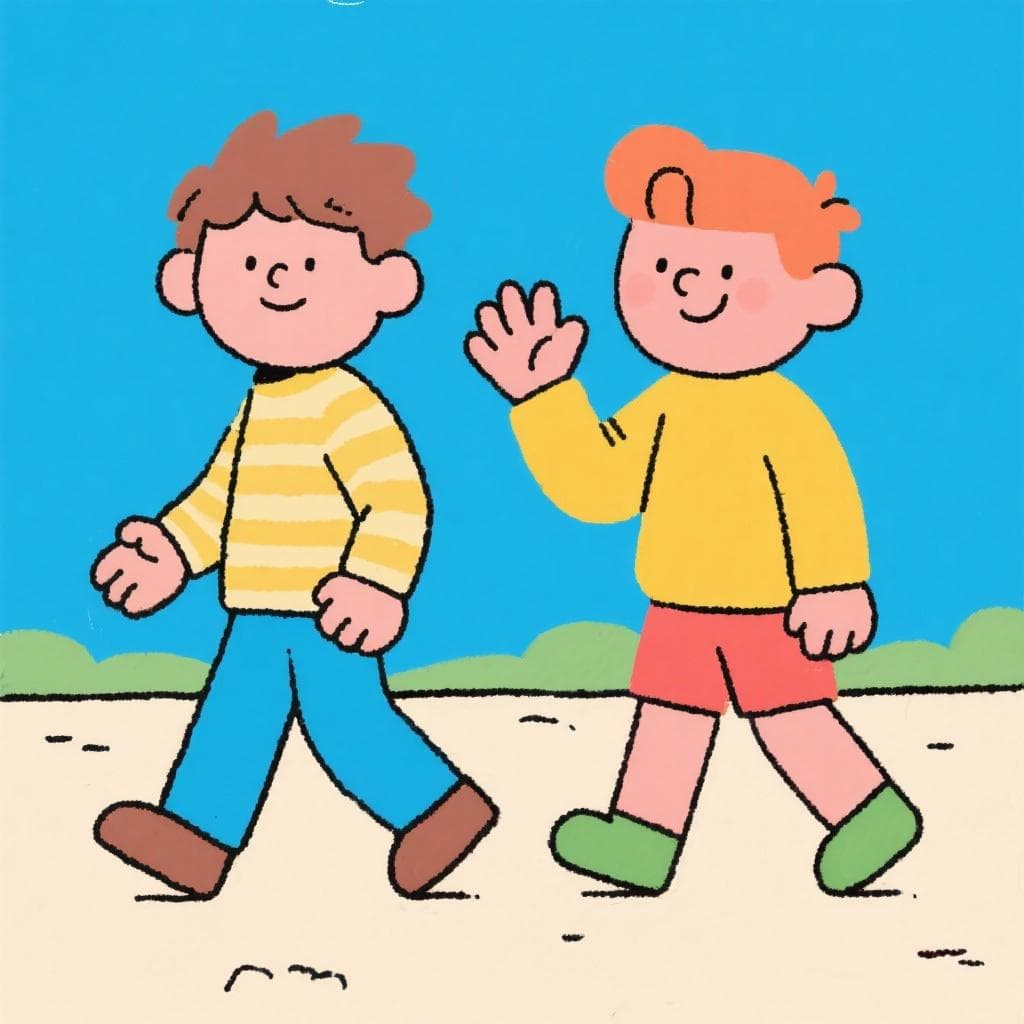
In practice, it means giving someone an opportunity, some time, or a break.
Key Words in This Idiom:


📝 In Action
Por favor, dame chance de explicarte lo que pasó.
B1Please, give me a chance to explain what happened.
¡Dame chance! No me dejas pasar.
B1Give me some room! You're not letting me pass.
Creo que deberíamos darle chance a ese restaurante nuevo.
B2I think we should give that new restaurant a shot.
📜 Origin Story
This is a fascinating example of how languages mix! The word 'chance' isn't originally Spanish; it's an 'anglicismo,' a word borrowed directly from English. It became incredibly popular in Latin America over the 20th century and is now a completely normal and essential part of everyday informal Spanish there. It's a perfect case of 'Spanglish' becoming standard.
⭐ Usage Tips
It's Not Just for Big Opportunities
While 'dar chance' can mean giving someone a big opportunity (like a job), it's more often used for small, everyday things. Use it to ask for a moment of time ('Dame chance, ya casi termino'), for physical space ('Dame chance para pasar'), or for a second try at something.
A Latin American Favorite
This phrase is a hallmark of Latin American Spanish. If you use it in Mexico, Colombia, or many other countries in the region, you'll sound very natural. In Spain, they would almost always say 'dar una oportunidad' instead.
❌ Common Pitfalls
Using it in Formal Situations
Mistake: “Writing 'Le solicito me dé chance para presentar mi propuesta' in a formal business email.”
Correction: 'Chance' is very informal. In formal writing or speech, stick to 'oportunidad'. The correct version would be 'Le solicito me dé la oportunidad de presentar mi propuesta'.
🌎 Where It''s Used
Latin America
Extremely common and widely used across most of the continent, especially in Mexico, Central America, and the Caribbean. It's a staple of everyday, informal speech.
Spain
Not commonly used and sounds like a foreignism. Speakers from Spain would almost always use 'dar una oportunidad' instead.
✏️ Quick Practice
Quick Quiz: Dar chance
Question 1 of 1
If your friend says '¡Dame chance!', what might they be asking for?
🗣️ Practice Pronunciation
Want to sound more natural when using this idiom? Practice your Spanish pronunciation with our collection of tongue twisters.
Browse Spanish Tongue Twisters →🏷️ Tags
Hear idioms come alive
Idioms make sense in context. Read 200+ illustrated and narrated Spanish stories to see idioms used naturally by characters — and build the ear native speakers have.
Frequently Asked Questions
Is using 'chance' instead of 'oportunidad' considered bad Spanish?
Not at all, as long as you're in the right context! In informal, spoken Latin American Spanish, 'chance' is perfectly correct and natural. In formal settings or in Spain, 'oportunidad' is the better choice.