Inklingo

Ni chicha ni limonada

/nee CHEE-chah nee lee-moh-NAH-dah/

Describes something that is mediocre, bland, unremarkable, or lacks a clear identity. It's neither one thing nor the other.

Level:B2Register:InformalCommon:★★★★

💡 Understanding the Idiom

Literal Translation:
"Neither chicha nor lemonade."
What It Really Means:
Describes something that is mediocre, bland, unremarkable, or lacks a clear identity. It's neither one thing nor the other.
English Equivalents:
Neither fish nor fowlNeither here nor thereWishy-washyRun-of-the-mill

🎨 Literal vs. Figurative

💭 Literal
A literal depiction of someone looking unimpressed at two drinks, a rustic mug of chicha and a glass of lemonade.

Literally, this means 'neither chicha (a traditional fermented drink) nor lemonade'.

✨ Figurative
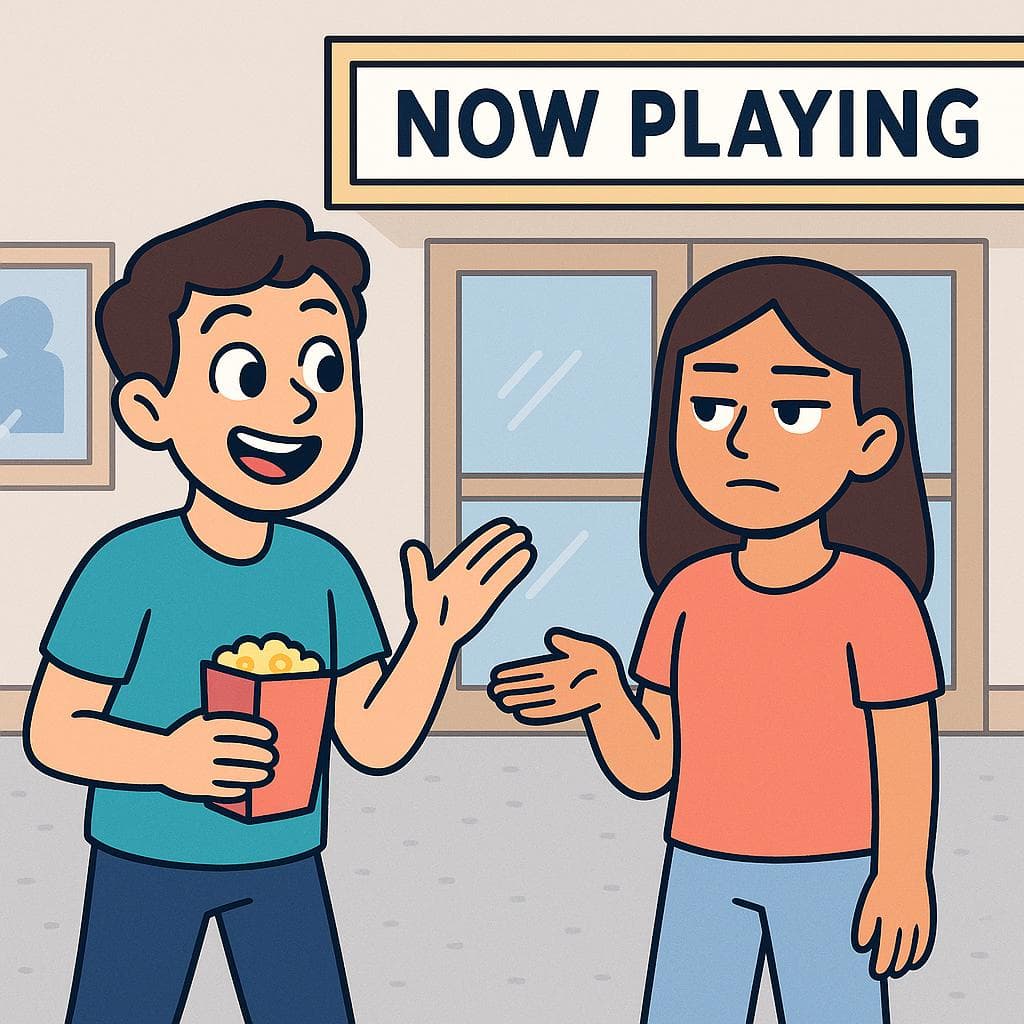
The figurative meaning, showing a person giving a lukewarm 'so-so' gesture about a movie they just watched.

It's used to describe something that is bland, mediocre, or doesn't stand out.

Key Words in This Idiom:

ni
ni
nor
chichalimonada

📝 In Action

La película fue ni chicha ni limonada, no la recomendaría.

B2

The movie was neither here nor there, I wouldn't recommend it.

¿Qué te pareció el nuevo restaurante? —Pues, ni chicha ni limonada, la verdad.

B2

What did you think of the new restaurant? —Honestly, it was nothing special.

Su propuesta política es ni chicha ni limonada; no satisface a nadie.

C1

His political proposal is wishy-washy; it doesn't satisfy anyone.

📜 Origin Story

This colorful phrase comes from old taverns and 'chicherías' in Latin America. 'Chicha' is a traditional, potent fermented drink, usually made from corn. 'Limonada' (lemonade) was the simple, non-alcoholic, refreshing alternative. If a drink or establishment was described as 'neither chicha nor lemonade,' it meant it failed to be either satisfyingly strong or refreshingly simple. It was stuck in a bland, undefined middle ground.

⭐ Usage Tips

Your Go-To for 'Meh'

Use 'ni chicha ni limonada' to express a feeling of 'meh' or mediocrity. It's perfect for giving your opinion on things that were simply unremarkable—a movie, a meal, a book, or even a person's performance. It carries a slightly dismissive or disappointed tone.

Use with 'Ser' or 'Estar'

You'll almost always use this phrase with the verbs 'ser' or 'estar'. Use 'ser' to describe the inherent quality of something (La película es...) and 'estar' for a temporary state or result (El plato estaba...).

❌ Common Pitfalls

Not Just for Drinks

Mistake: "Thinking the phrase can only be used to talk about food or beverages."

Correction: While its origin is from drinks, you can use 'ni chicha ni limonada' to describe almost anything: a political plan, a piece of art, a speech, or a vacation. It's about the quality of being undefined or mediocre.

🌎 Where It's Used

🌎

Latin America

Extremely common and widely understood, especially in South and Central America where chicha is a well-known traditional beverage. Its origin is deeply rooted here.

🇪🇸

Spain

It is understood but less common. Speakers in Spain might prefer using 'ni fu ni fa' to express the same idea of mediocrity or indifference.

🔗 Related Idioms

↔️ Similar Meanings

ni fu ni fa

Neither good nor bad; so-so. (More common in Spain)

sin pena ni gloria

Without pain or glory; describes something that happens without making any impact.

Opposite Meanings

ser la leche

To be amazing or awesome (informal, primarily in Spain).

estar para chuparse los dedos

To be finger-licking good (used for food).

✏️ Quick Practice

💡 Quick Quiz: Ni chicha ni limonada

Question 1 of 1

If a friend tells you the party was 'ni chicha ni limonada', what do they mean?

🏷️ Tags

Food & DrinkCommonly UsedLatin America

Frequently Asked Questions

Is 'ni chicha ni limonada' a negative or neutral phrase?

It leans more towards negative. While it doesn't mean something was terrible, it clearly expresses disappointment or a lack of enthusiasm. You wouldn't use it for something you even slightly enjoyed; it's reserved for things that are decidedly mediocre.