Latin American Spanish Idioms
Master 14 authentic Spanish expressions about latin america with meanings, examples, and pronunciation guidance
Understanding Spanish Latin America Idioms
These Spanish idioms are common throughout Latin America or specific to the region. From expressions used across the Americas to country-specific phrases, Latin American Spanish has distinctive idioms that reflect the region's unique culture, history, and linguistic evolution separate from Spain.
When to Use These Expressions
Latin American idioms are used throughout the Spanish-speaking Americas, though specific expressions vary by country. Understanding these helps you connect with the vast majority of Spanish speakers worldwide and appreciate the rich linguistic diversity of the Americas.
Learning Tips for Latin America Idioms
- Learn which idioms are pan-Latin American vs. country-specific
- Note vocabulary differences from Spain Spanish (like "plata" for money)
- Understand that Latin America is not monolithic—each country has uniqueness
- Practice with media from specific countries you're interested in
Most Common Latin America Idioms
Start with these high-frequency expressions used daily by native speakers
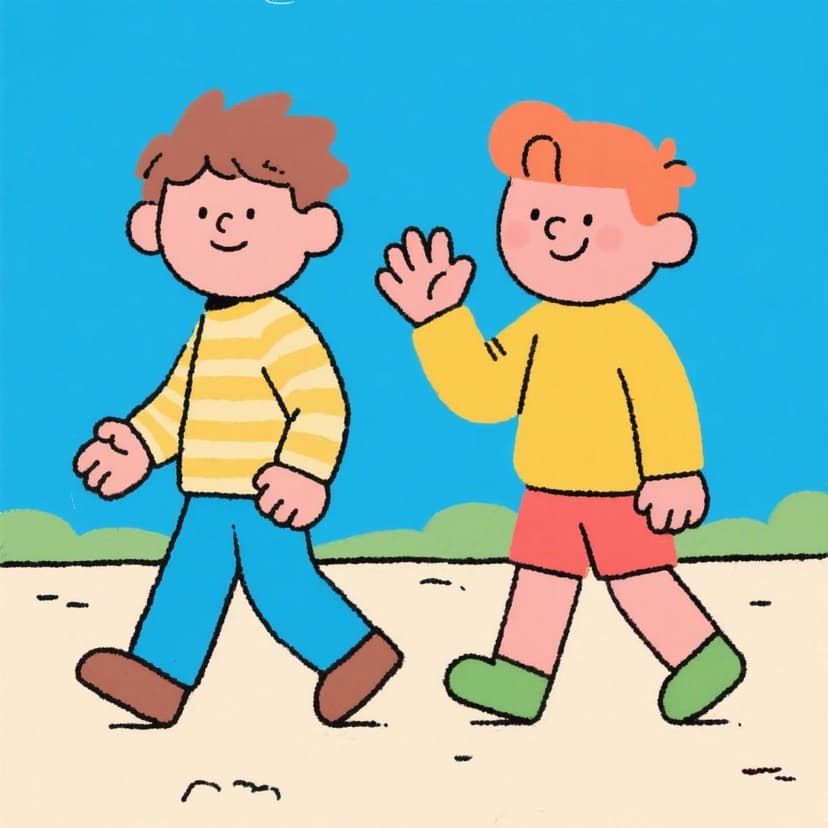
Dar chance
★★★★★Literal: "To give chance"
Meaning: To give someone an opportunity, a break, or some space/time.
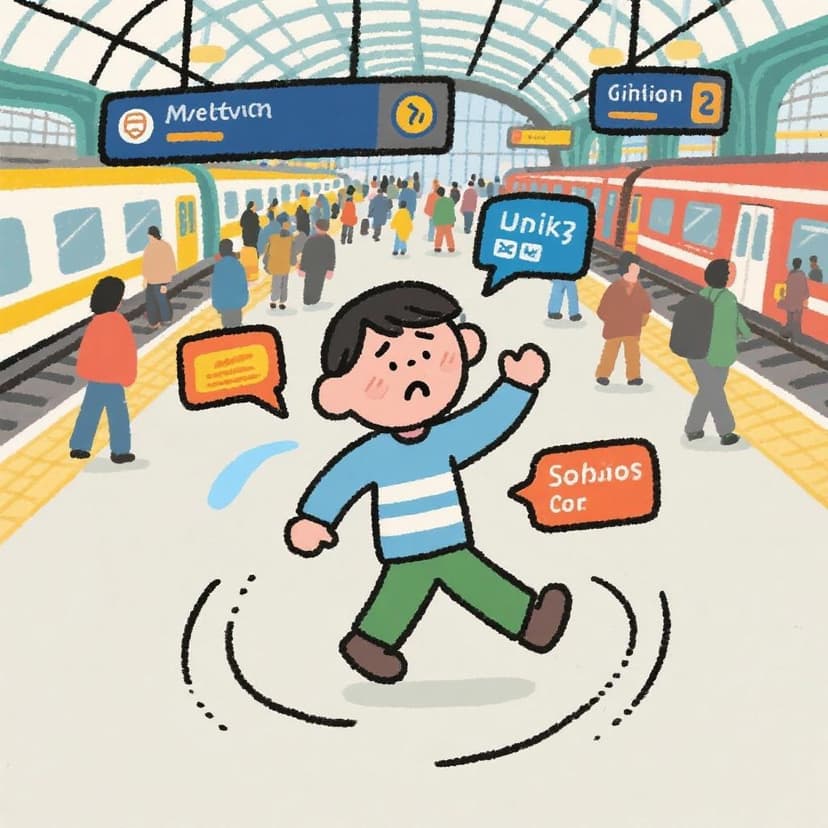
Andar como bola sin manija
★★★★☆Literal: "To go around like a ball without a handle."
Meaning: To be aimless, disoriented, or flustered; moving around without a clear purpose or control.

Chaucha y palitos
★★★★☆Literal: "Green bean and little sticks"
Meaning: For a very small amount of money; for next to nothing; for peanuts.
Complete List of Latin America Idioms

Andá a cantarle a Gardel
"Go sing to Gardel"
To tell someone you don't believe them, that their request is impossible, or that they should just get lost. It's a strong, informal dismissal.

Andar como bola sin manija
"To go around like a ball without a handle."
To be aimless, disoriented, or flustered; moving around without a clear purpose or control.

Chaucha y palitos
"Green bean and little sticks"
For a very small amount of money; for next to nothing; for peanuts.

Como piña
"Like a pineapple"
Very crowded or jam-packed with people; also, a group that is very close-knit or united.

Con el cuchillo abajo del poncho
"With the knife under the poncho."
To act with hidden, treacherous, or hostile intentions; to be secretive and prepared for conflict while appearing calm.
Dar chance
"To give chance"
To give someone an opportunity, a break, or some space/time.

Estar al horno
"To be in the oven"
To be in a very difficult, hopeless situation with no easy way out.

Estar como bola sin manija
"To be like a ball without a handle."
To be flustered, disoriented, or moving from one place to another without a clear purpose; to be agitated or anxious.

Hacerse el chancho rengo
"To make oneself the lame pig."
To pretend to be unaware, ignorant, or unable to do something, usually to avoid work or responsibility.

Los de afuera son de palo
"Those from the outside are made of wood."
The opinions of outsiders or spectators don't count. It's used to tell people who aren't directly involved to not interfere.

Ni chicha ni limonada
"Neither chicha nor lemonade."
Describes something that is mediocre, bland, unremarkable, or lacks a clear identity. It's neither one thing nor the other.

No tener gollete
"To not have a neck/gullet."
To be absurd, illogical, or make no sense.

Romper el chanchito
"To break the little pig"
To break open a piggy bank; to spend one's savings, often on something special or for an emergency.

Ya merito
"Already just a little bit"
Almost; just about; on the verge of happening.
Frequently Asked Questions About Spanish Latin America Idioms
Are Latin American Spanish idioms the same across all countries?
No, while some idioms are understood throughout Latin America, each country and region has unique expressions. Mexican Spanish differs from Argentine Spanish, which differs from Caribbean Spanish. However, there are common expressions understood across the region.
What are key differences between Spain and Latin American idioms?
Latin American Spanish often uses different vocabulary ("plata" vs. "dinero" for money), different verb forms (no vosotros), and has idioms influenced by indigenous languages and local culture. The tone is often less formal than Spain Spanish, and expressions reflect New World history and culture.
Have more questions about learning Spanish idioms? Browse our complete idiom guide.
Browse All Spanish Idiom Categories
Ready to Master More Spanish Idioms?
Explore our complete collection of 14+ Spanish idioms organized by category, difficulty level, and regional usage. Perfect for intermediate to advanced learners.
View All Spanish Idioms →