Spanish Difficulty Idioms
Master 25 authentic Spanish expressions about difficulty with meanings, examples, and pronunciation guidance
Understanding Spanish Difficulty Idioms
Spanish difficulty idioms express challenges, hardships, and tough situations. From "costar sangre, sudor y lágrimas" (to cost blood, sweat and tears) to "estar en un aprieto" (to be in a tight spot), these expressions help Spanish speakers communicate struggle, acknowledge challenges, and seek or offer help during hard times.
When to Use These Expressions
Difficulty idioms are used when describing challenges, warning about hard situations, asking for help, explaining struggles, or empathizing with others' hardships. They appear across all contexts from personal to professional difficulties.
Learning Tips for Difficulty Idioms
- Learn different difficulty levels—from minor inconveniences to major crises
- Practice both describing your own difficulties and empathizing with others
- Understand cultural context for asking for and offering help
- Note idioms that suggest the difficulty is temporary vs. insurmountable
Most Common Difficulty Idioms
Start with these high-frequency expressions used daily by native speakers
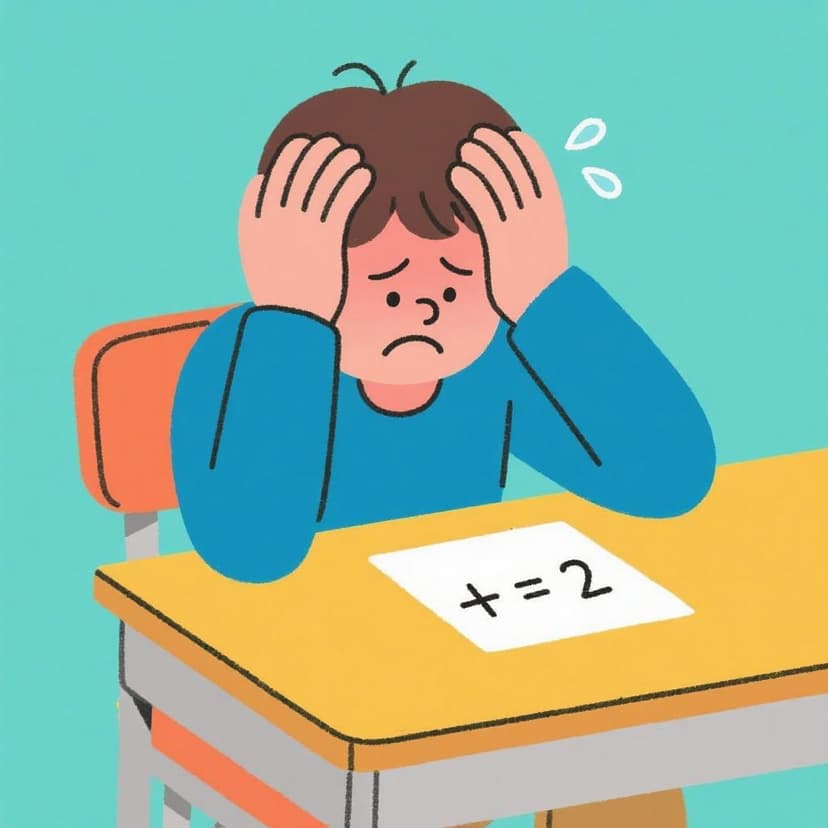
Ahogarse en un vaso de agua
★★★★★Literal: "To drown in a glass of water"
Meaning: To get overwhelmed by a small, insignificant problem; to treat a minor issue as a major crisis.
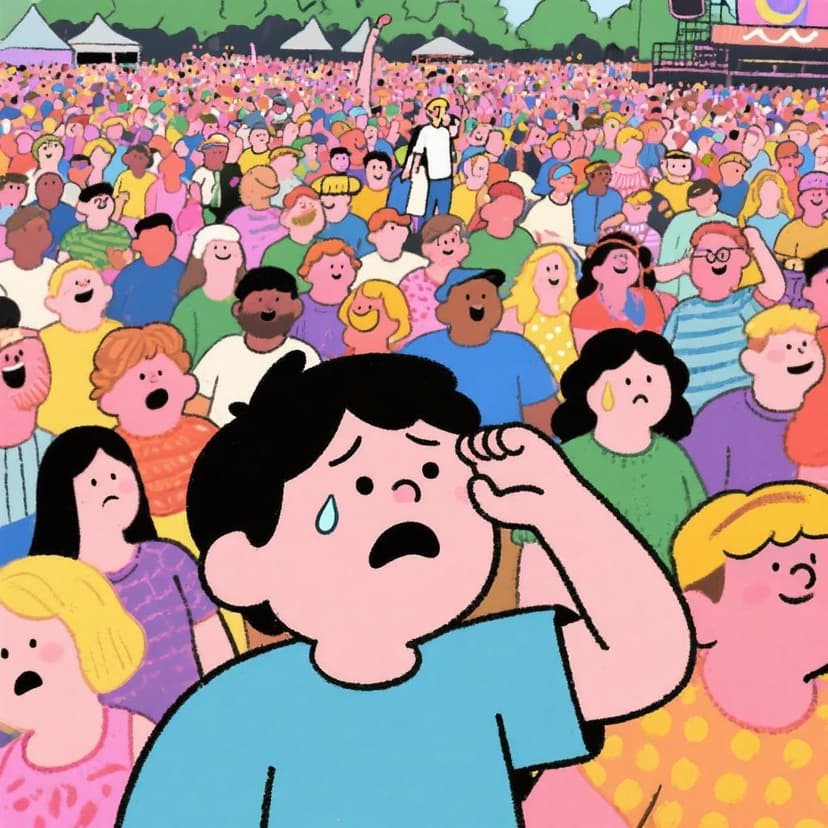
Buscar una aguja en un pajar
★★★★★Literal: "To look for a needle in a haystack."
Meaning: To attempt something that is impossible or extremely difficult because the chances of success are incredibly small, especially when searching for something.
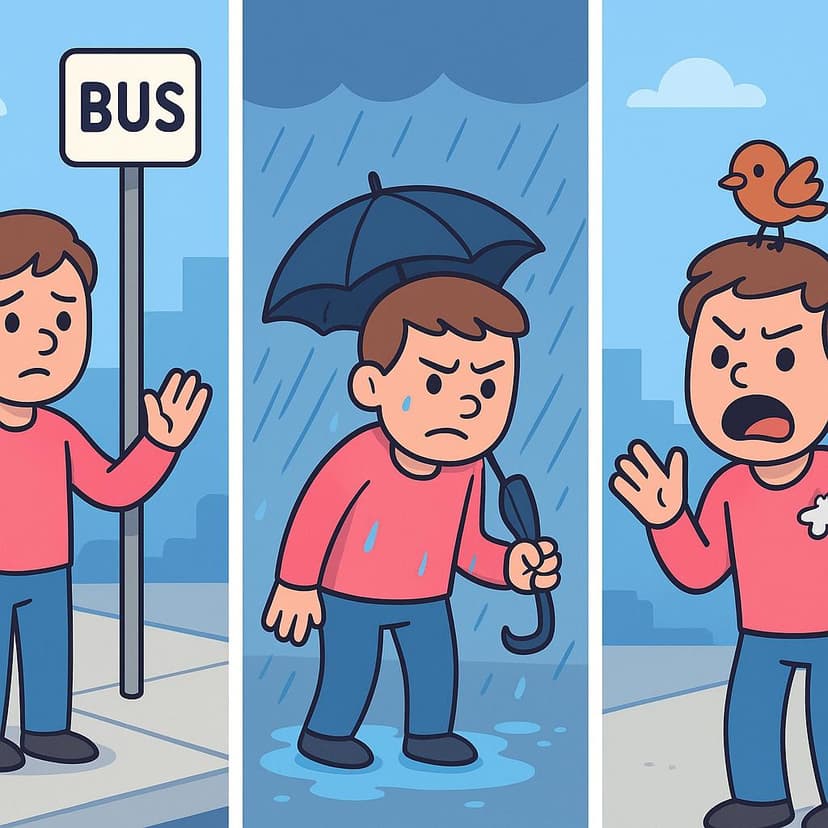
La gota que rebalsó el vaso
★★★★★Literal: "The drop that overflowed the glass."
Meaning: The final, small event in a series of negative ones that makes a situation unbearable.
Complete List of Difficulty Idioms
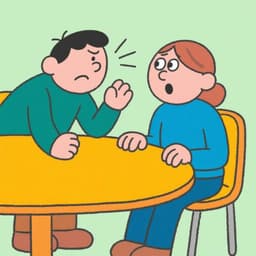
Agárrate Catalina
"Hold on, Catalina"
Brace yourself for something difficult, intense, or surprising.

Ahogarse en un vaso de agua
"To drown in a glass of water"
To get overwhelmed by a small, insignificant problem; to treat a minor issue as a major crisis.
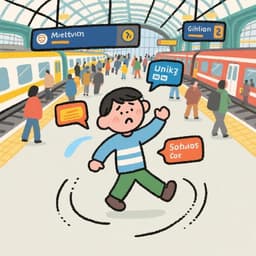
Andar como bola sin manija
"To go around like a ball without a handle."
To be aimless, disoriented, or flustered; moving around without a clear purpose or control.

Bajarse los pantalones
"To lower one's pants."
To give in, surrender, or yield to demands, often in a humiliating or weak way.
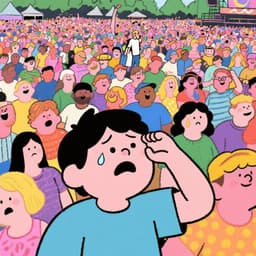
Buscar una aguja en un pajar
"To look for a needle in a haystack."
To attempt something that is impossible or extremely difficult because the chances of success are incredibly small, especially when searching for something.

Cargar con el muerto
"To carry the dead one"
To take the blame for something you didn't do; to get stuck with an unpleasant task or responsibility that nobody else wants.

Comerse un marrón
"To eat a brown thing"
To be stuck with an unpleasant task, problem, or situation that nobody else wants.
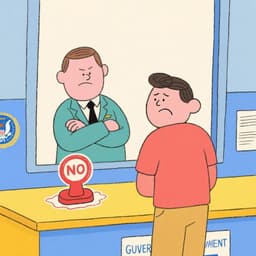
Con la Iglesia hemos topado
"We have bumped into the Church"
To encounter a powerful, immovable obstacle or authority that cannot be overcome or reasoned with.

El que mucho abarca, poco aprieta
"He who embraces a lot, squeezes little."
If you try to do too many things at once, you won't do any of them well. It's a warning against overextending yourself.
Está cañón
"It's cannon."
Something is very difficult, intense, impressive, or great. It can also mean a person is very attractive.

Estar al horno
"To be in the oven"
To be in a very difficult, hopeless situation with no easy way out.

Estar como bola sin manija
"To be like a ball without a handle."
To be flustered, disoriented, or moving from one place to another without a clear purpose; to be agitated or anxious.
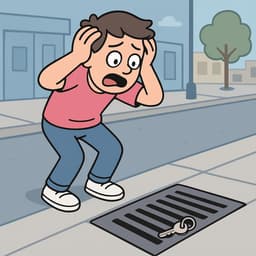
Estar en el horno
"To be in the oven"
To be in big trouble, in a hopeless situation, or done for.

Estar hasta las manos
"To be up to the hands"
To be extremely busy, swamped with work, or deeply involved in a complicated situation.
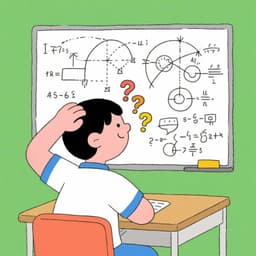
Hacerse bolas
"To make oneself into balls."
To get confused, mixed up, or mentally tangled, especially when dealing with complex information or instructions.
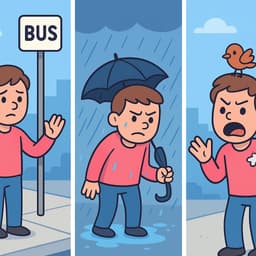
La gota que rebalsó el vaso
"The drop that overflowed the glass."
The final, small event in a series of negative ones that makes a situation unbearable.
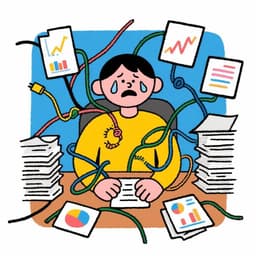
Meterse en camisa de once varas
"To get into a shirt of eleven 'varas' (rods)"
To get involved in a complicated, difficult situation, often unnecessarily; to bite off more than you can chew.

Nadar y ahogarse en la orilla
"To swim and drown on the shore."
To fail at the very last moment after having completed all the hard work; to give up when success is just within reach.
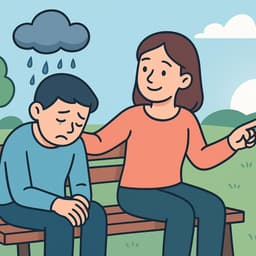
No hay mal que dure cien años
"There is no evil/bad thing that lasts one hundred years."
Tough times don't last forever. This is a phrase of encouragement used to comfort someone going through a difficult period, reminding them that their situation is temporary.

Pararse de manos
"To stand on one's hands"
To make a great effort, go to great lengths, or bend over backwards to achieve something or please someone.
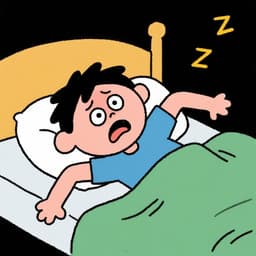
Pasar una noche toledana
"To spend a Toledan night"
To have a terrible, sleepless night, often due to worry, noise, or discomfort.

Quedarse en blanco
"To remain in white"
For your mind to go completely blank; to forget something you know.

Quien mucho abarca poco aprieta
"Whoever embraces a lot, squeezes little."
Trying to do too many things at once will result in none of them being done well. It's a warning about the lack of focus.
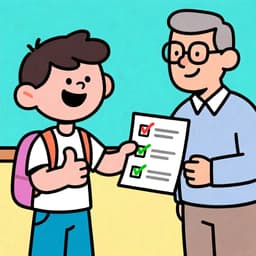
Ser pan comido
"To be eaten bread"
To be very easy to do; a piece of cake.
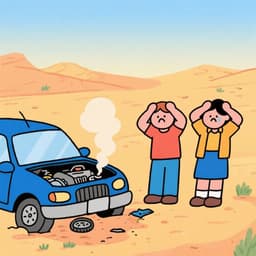
Ya nos cargó el payaso
"The clown has already carried us."
We're done for; we're screwed. It signifies a situation that has gone catastrophically and irreversibly wrong.
Frequently Asked Questions About Spanish Difficulty Idioms
What are Spanish difficulty idioms?
Spanish difficulty idioms include "costar sangre, sudor y lágrimas" (to be very difficult), "estar en un aprieto" (to be in a bind), "ser un hueso duro de roer" (to be a tough nut to crack), "pasar las de Caín" (to go through hell), and "estar entre la espada y la pared" (between a rock and hard place).
How do Spanish speakers ask for help with difficulties?
Spanish-speaking cultures generally have strong mutual support systems. It's acceptable to share difficulties with family and close friends, using idioms like "estoy en un aprieto" (I'm in a bind) or "necesito una mano" (I need a hand). Offering help is also common and valued.
Have more questions about learning Spanish idioms? Browse our complete idiom guide.
Browse All Spanish Idiom Categories
Ready to Master More Spanish Idioms?
Explore our complete collection of 25+ Spanish idioms organized by category, difficulty level, and regional usage. Perfect for intermediate to advanced learners.
View All Spanish Idioms →