Spanish Food & Drink Idioms
Master 22 authentic Spanish expressions about food & drink with meanings, examples, and pronunciation guidance
Understanding Spanish Food & Drink Idioms
Spanish food and drink idioms reveal how deeply cuisine is woven into Hispanic culture. These expressions—from "ser pan comido" (to be easy, literally "to be eaten bread") to "estar como una cuba" (to be drunk)—appear in daily conversations across Spain and Latin America. Learning these idioms helps you understand cultural values around meals, hospitality, and social bonding.
When to Use These Expressions
Food and drink idioms are used in both formal and informal contexts. You'll hear them in restaurants, family gatherings, business meetings, and casual conversations. They're particularly common when discussing tasks, relationships, celebrations, and social situations.
Learning Tips for Food & Drink Idioms
- Start with the 3-5 most common expressions and use them in conversation
- Notice which foods appear most frequently in idioms—this reveals cultural importance
- Pay attention to context: some food idioms are playful, others more serious
- Practice with native speakers to master natural delivery and timing
Most Common Food & Drink Idioms
Start with these high-frequency expressions used daily by native speakers
Complete List of Food & Drink Idioms

Chaucha y palitos
"Green bean and little sticks"
For a very small amount of money; for next to nothing; for peanuts.
Cortar el bacalao
"To cut the codfish."
To be in charge, call the shots, or be the boss of a situation.
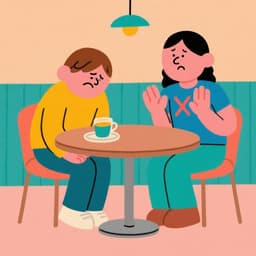
Dar calabazas
"To give pumpkins"
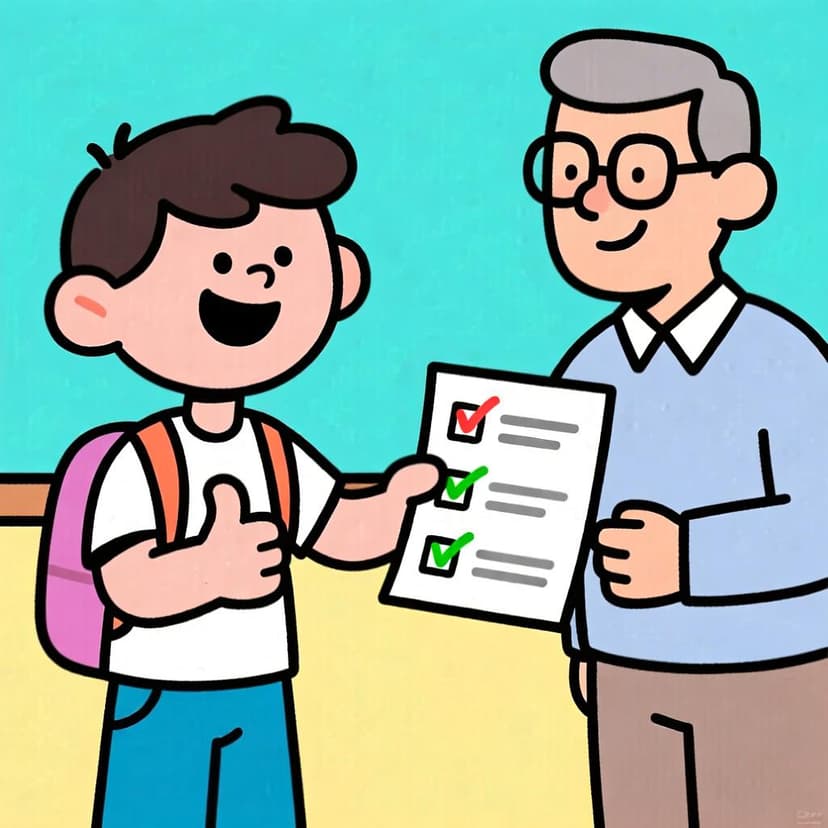
To reject a romantic advance; to turn someone down. It can also mean to fail someone in an exam.
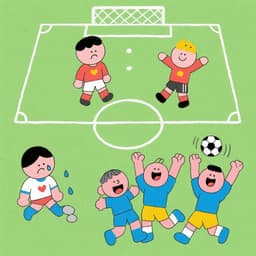
Dar la vuelta a la tortilla
"To flip the tortilla"
To turn a situation around completely; to turn the tables.

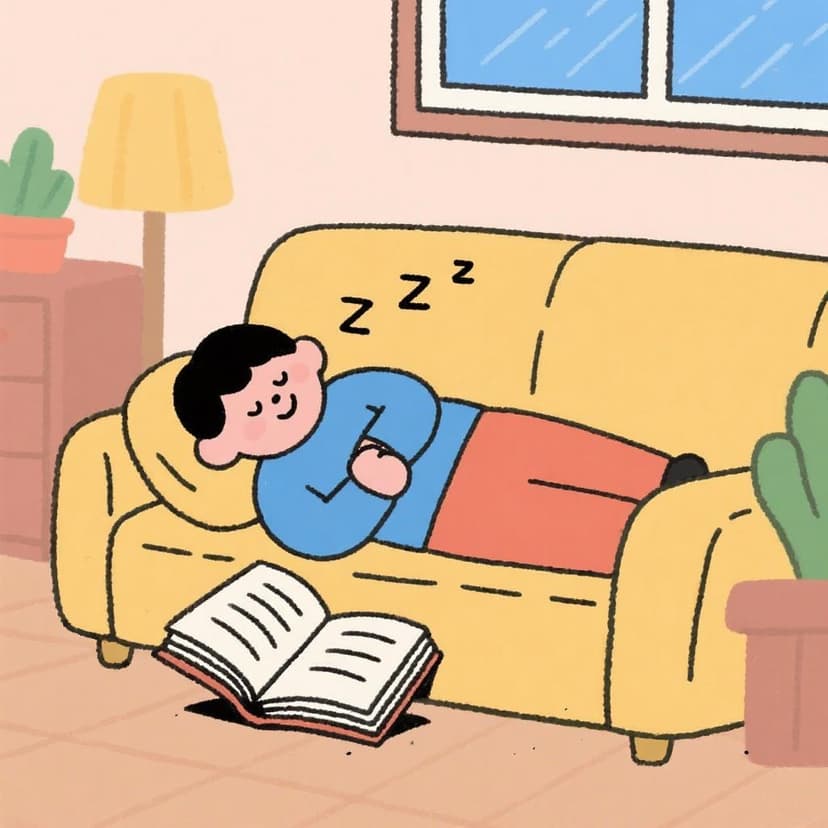
Dormir la mona
"To sleep the female monkey"
To sleep off a period of drunkenness; to sleep while drunk to recover.

Estar al horno
"To be in the oven"
To be in a very difficult, hopeless situation with no easy way out.

Estar como agua para chocolate
"To be like water for chocolate"
To be at the boiling point, either with anger (furious) or with passion (very excited, aroused, or flustered).
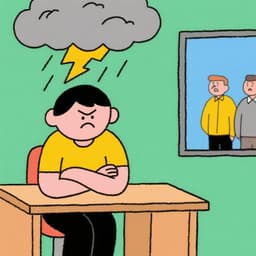
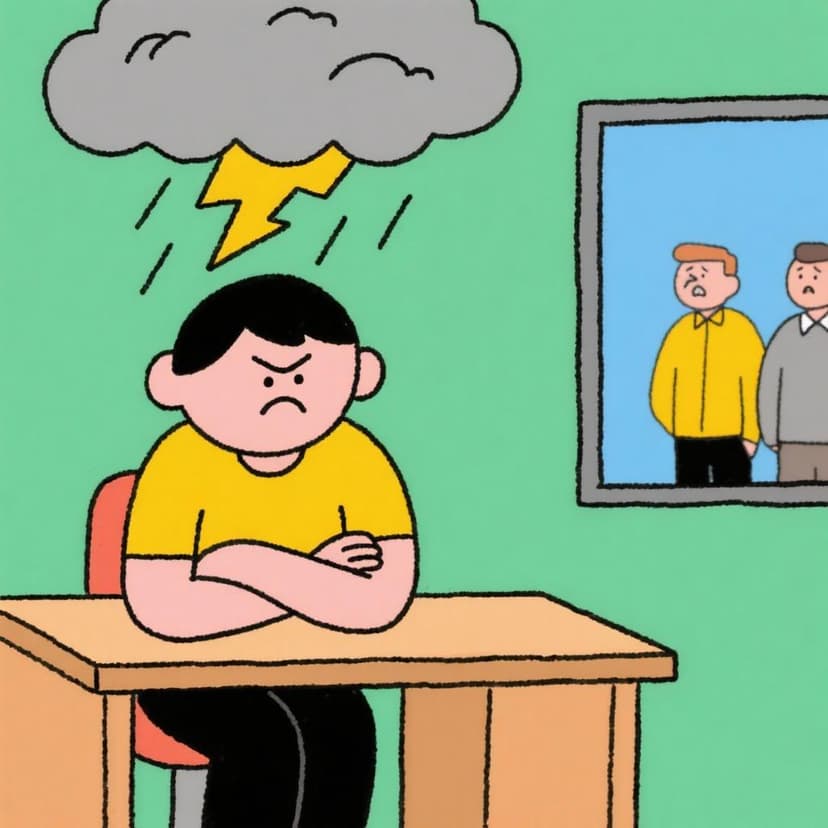
Estar de mala leche
"To be of bad milk"
To be in a bad mood, irritable, or grumpy.

Hacer buenas migas
"To make good crumbs"
To get along well with someone; to hit it off.

Hacer de chivo los tamales
"To make the tamales out of goat meat."
To cheat on a romantic partner; to be unfaithful.
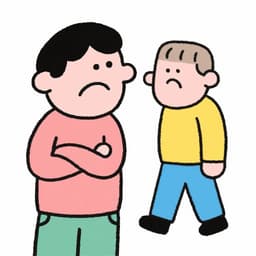
Ir a freír espárragos
"To go fry asparagus"
To tell someone to get lost, go away, or stop bothering you, usually out of annoyance.

Ni chicha ni limonada
"Neither chicha nor lemonade."
Describes something that is mediocre, bland, unremarkable, or lacks a clear identity. It's neither one thing nor the other.

Pan para hoy y hambre para mañana
"Bread for today and hunger for tomorrow"
A short-term solution that creates bigger problems in the long run. It describes a quick fix that doesn't solve the underlying issue and has negative consequences.

Poner toda la carne en el asador
"To put all the meat on the grill."
To go all out, give something your maximum effort, or risk everything for a single objective.
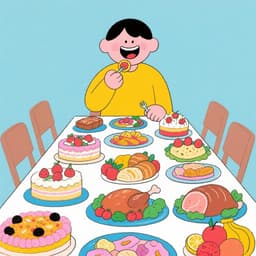
Ponerse las botas
"To put on the boots"
To indulge, feast, or profit greatly from a situation; to have a field day.
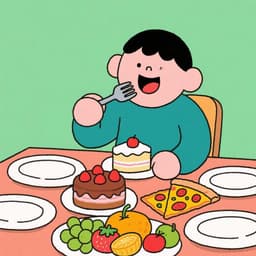
Ponerse morado
"To turn purple"
To eat a lot of something; to stuff oneself with food; to pig out.

Quedarse frito
"To stay/get fried"
To fall fast asleep; to conk out or crash.

Quedarse sin el pan y sin las tortas
"To be left without the bread and without the cakes."
To try to get two things at once, often out of greed or indecision, and end up with neither. To lose out on everything.

Ser pan comido
"To be eaten bread"
To be very easy to do; a piece of cake.

Ser un trozo de pan
"To be a piece of bread"
To be a very kind, generous, and good-hearted person.

Tener mala leche
"To have bad milk"
To be in a bad mood, to be ill-tempered, or to do something with bad intentions.

Tener salero
"To have a salt shaker"
To be charming, witty, graceful, or have a special spark.
Frequently Asked Questions About Spanish Food & Drink Idioms
What are the most common Spanish food and drink idioms?
The most common Spanish food and drink idioms include "ser pan comido" (to be easy), "estar como un flan" (to be nervous), "dar calabazas" (to reject someone), "importar un pepino" (to not care at all), and "estar como una cuba" (to be drunk). These expressions are used daily by native speakers throughout the Spanish-speaking world.
Why does Spanish have so many food-related expressions?
Spanish has many food idioms because meals and shared eating are central to Hispanic culture. Historically, specific foods had social meanings and were associated with celebrations, hardships, or daily life. This cultural importance naturally led to food becoming a common metaphor in everyday language.
Are Spanish food idioms the same across all Spanish-speaking countries?
While many Spanish food idioms are understood across the Spanish-speaking world, some are regional. Spain, Mexico, Argentina, and other countries have unique food idioms based on their local cuisines and culinary traditions. However, the most common expressions are widely recognized.
Have more questions about learning Spanish idioms? Browse our complete idiom guide.
Browse All Spanish Idiom Categories
Ready to Master More Spanish Idioms?
Explore our complete collection of 22+ Spanish idioms organized by category, difficulty level, and regional usage. Perfect for intermediate to advanced learners.
View All Spanish Idioms →