

Pan para hoy y hambre para mañana
/pahn PAH-rah OY ee AHM-breh PAH-rah mah-NYAH-nah/
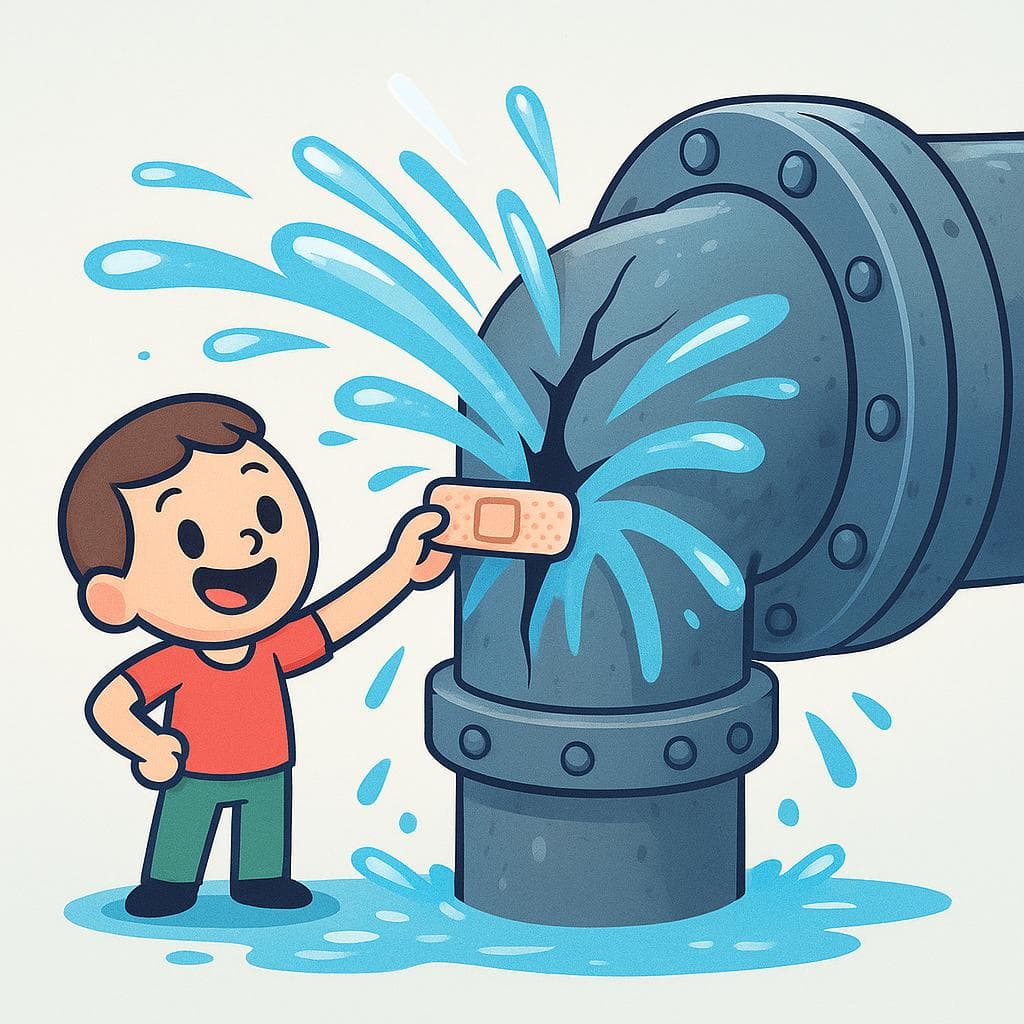
A short-term solution that creates bigger problems in the long run. It describes a quick fix that doesn't solve the underlying issue and has negative consequences.
💡 Understanding the Idiom
🎨 Literal vs. Figurative

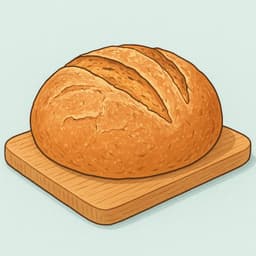
Literally, the words mean 'bread for today, and hunger for tomorrow'.

It describes a quick fix that doesn't solve the real problem and will cause trouble later.
Key Words in This Idiom:
📝 In Action
Vender el coche para pagar la tarjeta de crédito es pan para hoy y hambre para mañana. ¿Cómo irás a trabajar después?
B2Selling the car to pay off the credit card is robbing Peter to pay Paul. How will you get to work afterward?
La empresa no invirtió en nueva tecnología para mostrar ganancias este año. Fue pan para hoy y hambre para mañana, porque ahora sus competidores son mucho más eficientes.
C1The company didn't invest in new technology to show a profit this year. It was a short-term fix, because now their competitors are much more efficient.
📜 Origin Story
This proverb is a piece of age-old wisdom, likely born from the basic realities of farming and survival. It captures the essential idea of rationing: if you eat all your seeds and grain today for a feast, you'll have nothing to plant or eat tomorrow. It’s a universal concept about the dangers of prioritizing immediate gratification over long-term stability, famously appearing in classic Spanish literature like Don Quijote de la Mancha.
⭐ Usage Tips
Critiquing Short-Sighted Decisions
Use this proverb to criticize a plan or action that solves an immediate problem but clearly ignores or creates future consequences. It's perfect for discussions about politics, personal finance, or business strategy.
Use it as a Standalone Warning
This phrase works perfectly as a complete sentence. If a friend tells you about a decision with obvious future downsides, you can just shake your head and say, 'Eso es pan para hoy y hambre para mañana.' They'll know exactly what you mean.
❌ Common Pitfalls
Using it for Good Quick Fixes
Mistake: "Applying the phrase to a genuinely clever and effective quick solution."
Correction: This idiom always carries a negative warning. It implies that the future problem is a direct and predictable consequence of the 'solution.' If a quick fix is actually a good idea, you would not use this phrase.
🌎 Where It's Used
Spain
Extremely common and universally understood. It's a classic 'refrán' (proverb) that everyone knows.
Latin America
Very widely known and used across the entire Spanish-speaking world. It's a foundational piece of cultural wisdom.
🔗 Related Idioms
✏️ Quick Practice
💡 Quick Quiz: Pan para hoy y hambre para mañana
Question 1 of 1
Which of these situations is a perfect example of 'Pan para hoy y hambre para mañana'?
🏷️ Tags
Frequently Asked Questions
Is this idiom only used for financial situations?
Not at all. While it fits perfectly with money and economics, you can use it for any situation with a short-sighted solution. For example, using sleeping pills to deal with stress instead of addressing the cause of the stress is 'pan para hoy y hambre para mañana'.
Is this phrase considered formal or informal?
It's neutral. As a well-known proverb, it can be used in almost any context, from a casual conversation with friends to a more formal discussion about politics or business strategy. It's respected as a piece of cultural wisdom.


