Common Everyday Spanish Idioms
Master 180 authentic Spanish expressions about commonly used with meanings, examples, and pronunciation guidance
Understanding Spanish Commonly Used Idioms
These are the most commonly used Spanish idioms across all Spanish-speaking regions. These high-frequency expressions—from "estar hasta las narices" (to be fed up) to "ir al grano" (to get to the point)—are the backbone of natural Spanish conversation. Mastering these idioms is essential for connecting authentically with native speakers anywhere in the Spanish-speaking world.
When to Use These Expressions
These idioms appear constantly in daily situations: greetings, complaints, celebrations, small talk, and casual observations. They're the building blocks of natural Spanish conversation and help you express yourself the way native speakers actually talk, not how textbooks say they should talk.
Learning Tips for Commonly Used Idioms
- Focus on these first—they're what you'll hear and use most
- Practice high-frequency expressions until they're automatic
- Learn idioms in conversational chunks, not in isolation
- Watch Spanish media to see these idioms in natural context
Most Common Commonly Used Idioms
Start with these high-frequency expressions used daily by native speakers
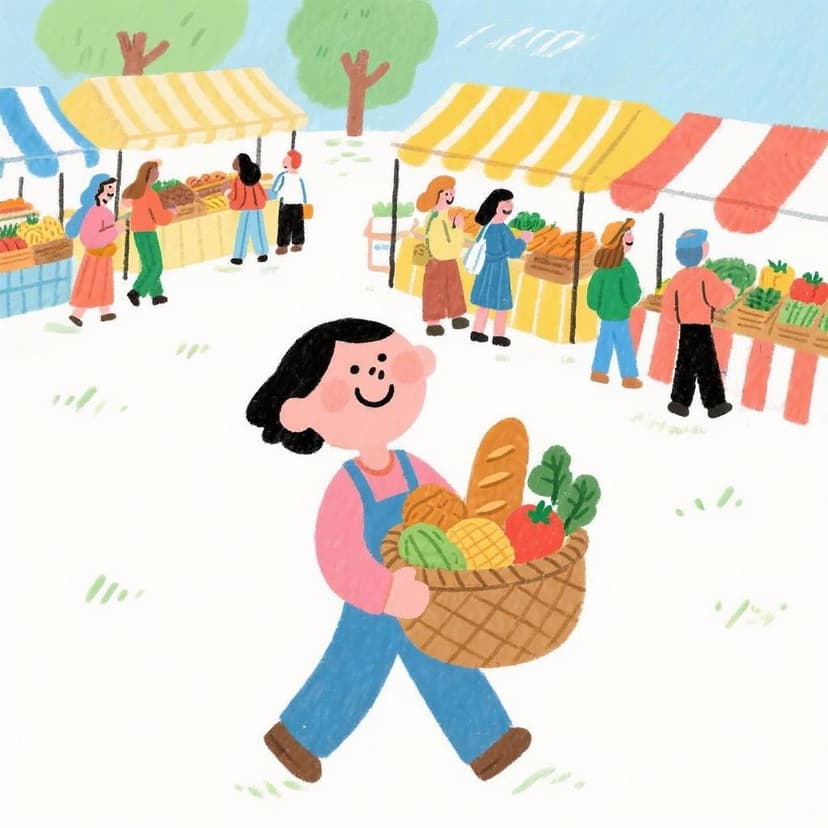
A quien madruga Dios le ayuda
★★★★★Literal: "God helps the one who gets up early."
Meaning: Starting your day or a task early gives you an advantage and leads to success and good fortune.
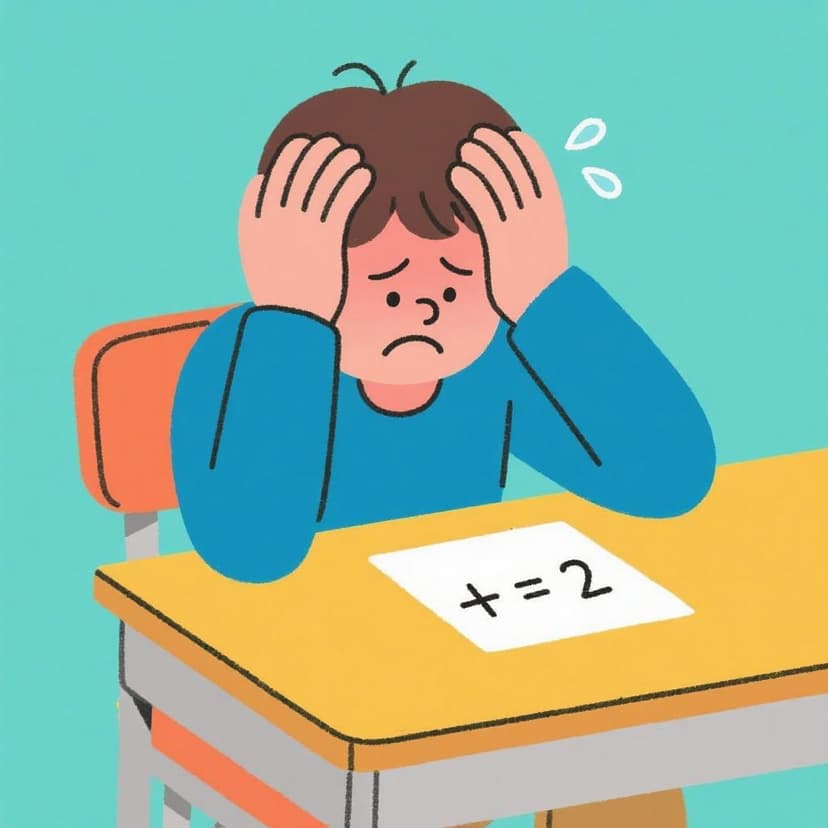
Ahogarse en un vaso de agua
★★★★★Literal: "To drown in a glass of water"
Meaning: To get overwhelmed by a small, insignificant problem; to treat a minor issue as a major crisis.
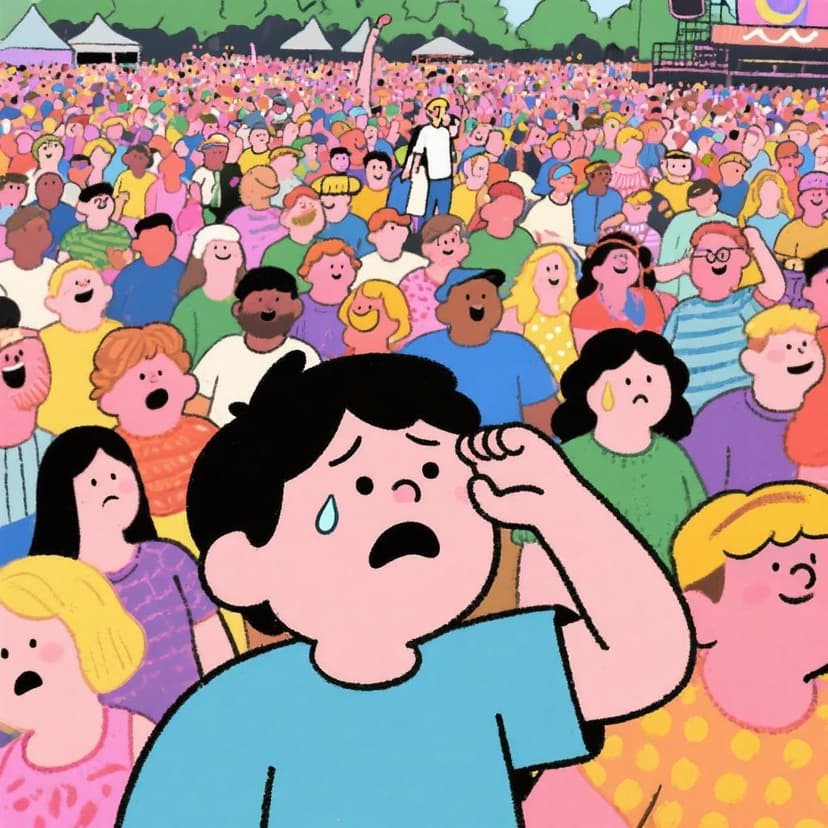
Buscar una aguja en un pajar
★★★★★Literal: "To look for a needle in a haystack."
Meaning: To attempt something that is impossible or extremely difficult because the chances of success are incredibly small, especially when searching for something.
Complete List of Commonly Used Idioms
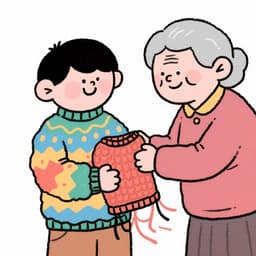
A caballo regalado no le mires el diente
"To a gifted horse, don't look at its tooth."
Don't be ungrateful or find fault with something you have received as a gift or a favor.
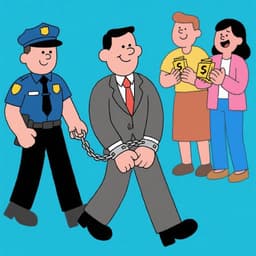
A cada cerdo le llega su San Martín
"To every pig comes its Saint Martin."
Everyone eventually gets what they deserve or faces the consequences of their actions; a day of reckoning will come.
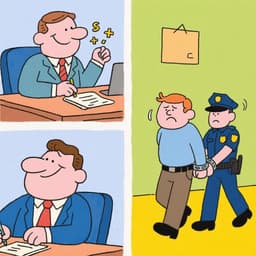
A cada chancho le llega su San Martín
"To every pig comes its Saint Martin."
Everyone eventually gets what they deserve; there is a day of reckoning for those who do wrong.
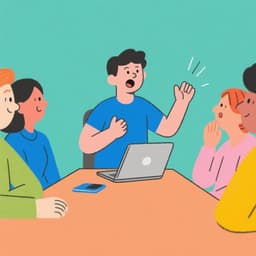
A capa y espada
"With cape and sword"
To defend something or someone fiercely, with great determination and conviction.

A Dios rogando y con el mazo dando
"To God praying and with the mallet hitting."
You should pray for a good outcome, but you also need to take practical action and work hard to achieve your goals.
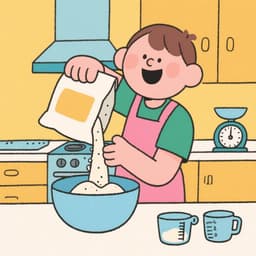
A ojo de buen cubero
"By the eye of a good cooper."
To estimate or calculate something roughly, without precise measurements, but with a degree of skill or experience.
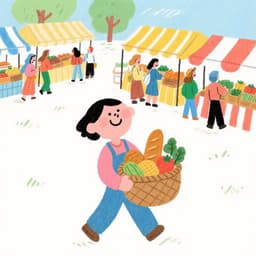
A quien madruga Dios le ayuda
"God helps the one who gets up early."
Starting your day or a task early gives you an advantage and leads to success and good fortune.
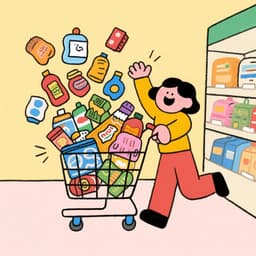
A troche y moche
"By chopping and lopping"
To do something indiscriminately, without order, care, or measure; haphazardly or in great abundance.
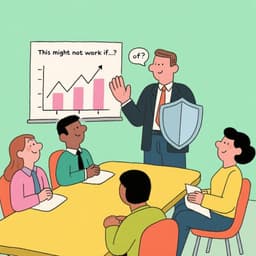
Abrir el paraguas
"To open the umbrella"
To make excuses or take precautions in advance to avoid future blame or problems.
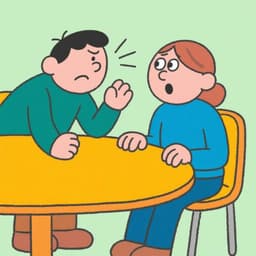
Agárrate Catalina
"Hold on, Catalina"
Brace yourself for something difficult, intense, or surprising.
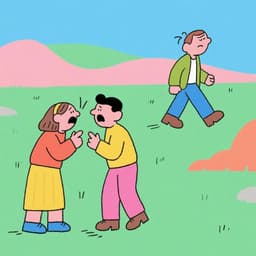
Agua que no has de beber, déjala correr
"Water that you are not to drink, let it run."
If a matter doesn't concern you or you have no intention of pursuing it, don't get involved. It's best to let it go and not interfere.
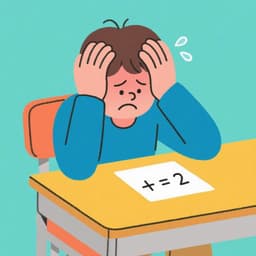
Ahogarse en un vaso de agua
"To drown in a glass of water"
To get overwhelmed by a small, insignificant problem; to treat a minor issue as a major crisis.
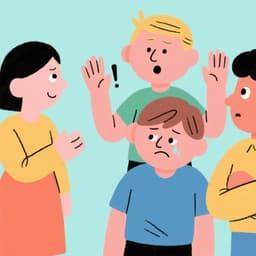
Al que le quepa el saco, que se lo ponga
"To whom the sack fits, let them put it on."
If a general criticism or comment applies to you, you should accept it. It's a way of making a pointed remark without naming anyone directly.
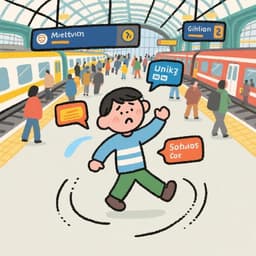
Andar como bola sin manija
"To go around like a ball without a handle."
To be aimless, disoriented, or flustered; moving around without a clear purpose or control.
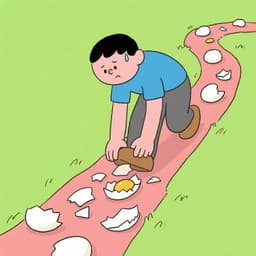
Andar con pies de plomo
"To walk with feet of lead"
To act with great caution, to be very careful, or to proceed slowly and deliberately in a delicate situation.
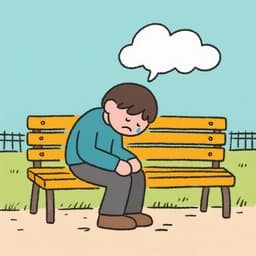
Andar de capa caída
"To walk with a fallen cape"
To be down in the dumps, disheartened, demoralized, or going through a rough patch.
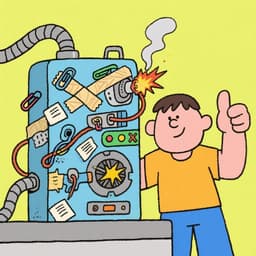
Atar con alambre
"To tie with wire"
To do a quick, temporary, or shoddy repair; to patch something up in a makeshift way.
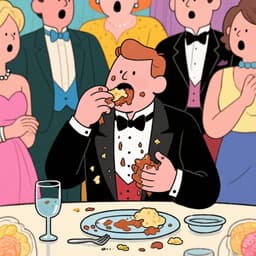
Aunque la mona se vista de seda, mona se queda
"Even if the monkey dresses in silk, a monkey she remains."
You can't change the fundamental nature of something or someone just by changing their outward appearance. Superficial changes don't alter one's true essence.
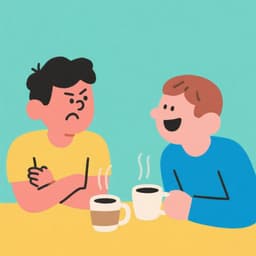
Bajar la guardia
"To lower the guard"
To let one's guard down; to become less careful, vigilant, or defensive.

Bajar la persiana
"To lower the shutter"
To close down a business for good; to go out of business.
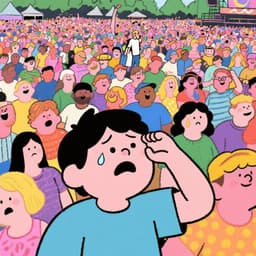
Buscar una aguja en un pajar
"To look for a needle in a haystack."
To attempt something that is impossible or extremely difficult because the chances of success are incredibly small, especially when searching for something.
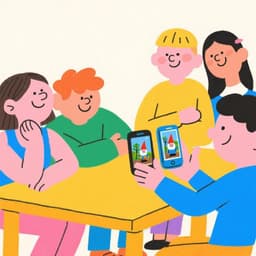
Cada loco con su tema
"Each crazy person with their theme/topic."
Everyone has their own obsession, strange habit, or topic they always talk about. It's a way to acknowledge or dismiss someone's peculiar fixation.
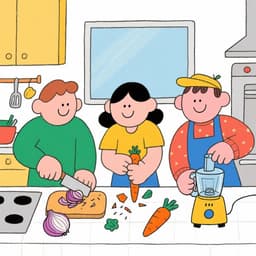
Cada maestrito con su librito
"Every little teacher with their little book."
Everyone has their own unique way of doing things, their own methods, or their own opinions based on their experience.
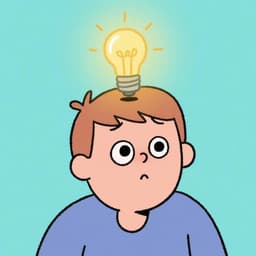
Caer el veinte
"For the twenty to fall."
To finally realize or understand something; for the penny to drop.
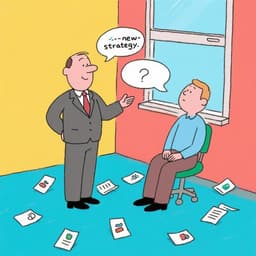
Caer en saco roto
"To fall into a broken sack."
To be ignored, disregarded, or to come to nothing. It's used for advice, suggestions, or efforts that are completely wasted.
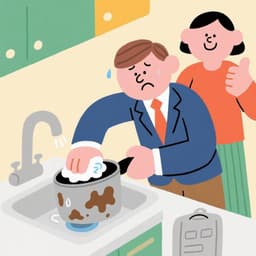
Caerse los anillos
"For one's rings to fall off"
To feel that a task is beneath one's dignity; to be unwilling to do manual or humble work because you feel you are too important.

Cargar con el muerto
"To carry the dead one"
To take the blame for something you didn't do; to get stuck with an unpleasant task or responsibility that nobody else wants.
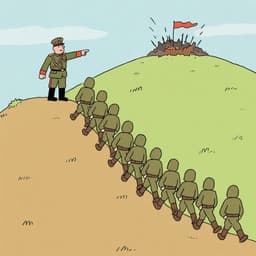
Carne de cañón
"Cannon meat"
People who are considered expendable, especially soldiers or low-level workers sent into a dangerous or hopeless situation with little regard for their survival or well-being.
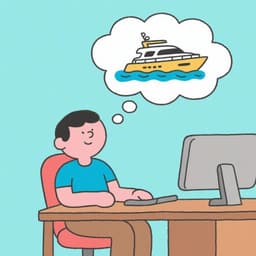
Castillos en el aire
"Castles in the air"
Unrealistic dreams, hopes, or plans that are unlikely to happen.

Chupar las medias
"To suck the socks"
To suck up to someone, to flatter someone insincerely for personal gain.
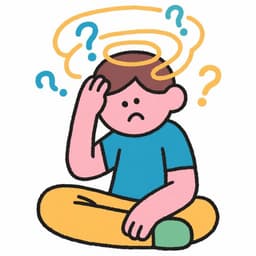
Comerse el coco
"To eat one's coconut"
To overthink, worry excessively, or rack one's brain about something.

Comerse un marrón
"To eat a brown thing"
To be stuck with an unpleasant task, problem, or situation that nobody else wants.
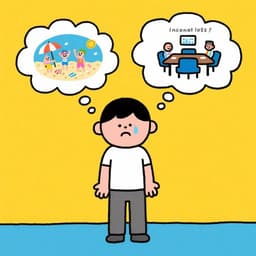
Como el perro de las dos tortas
"Like the dog of the two cakes"
To be caught between two choices and lose both due to indecision or greed.
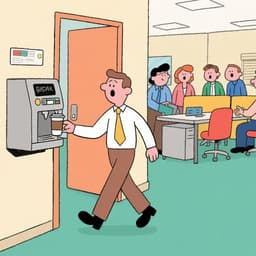
Como Pedro por su casa
"Like Pedro through his house"
To act with complete confidence and ease in an unfamiliar place, as if you own it. It can also mean to do something very easily.

Como piña
"Like a pineapple"
Very crowded or jam-packed with people; also, a group that is very close-knit or united.
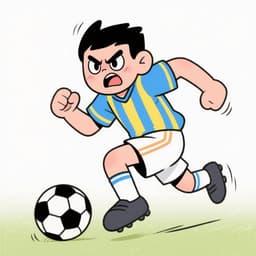
Con el cuchillo entre los dientes
"With the knife between the teeth"
To do something with fierce determination, aggression, or a competitive spirit.
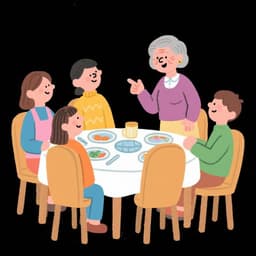
Cortar el bacalao
"To cut the codfish."
To be in charge, call the shots, or be the boss of a situation.
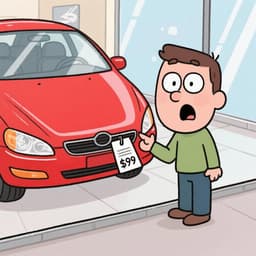
Costar un ojo de la cara
"To cost an eye of the face"
To be very expensive.
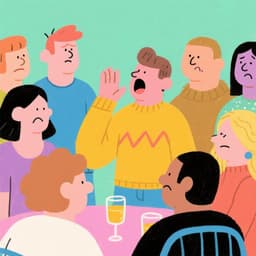
Creerse el ombligo del mundo
"To believe oneself to be the belly button of the world"
To be self-centered and arrogant, acting as if you are the most important person in existence.

Cría fama y ponte a dormir
"Raise fame and go to sleep."
Once you've established a reputation (good or bad), it will stick with you, and people's perception of you is set. You don't need to do anything else to maintain it.

Cuando el gato no está, los ratones hacen fiesta
"When the cat isn't here, the mice have a party."
When the person in charge is away, people will do as they please, relax the rules, or misbehave.

Cuando el río suena, agua lleva
"When the river sounds, it carries water."
Rumors usually have some truth to them; if people are talking about something, it's likely for a reason.
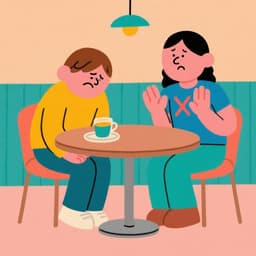
Dar calabazas
"To give pumpkins"
To reject a romantic advance; to turn someone down. It can also mean to fail someone in an exam.
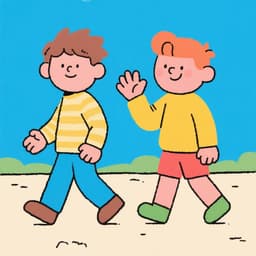
Dar chance
"To give chance"
To give someone an opportunity, a break, or some space/time.
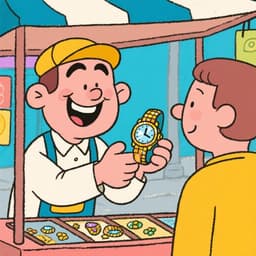
Dar el gatazo
"To give the big cat-smack"
To deceive someone by making a low-quality or fake item look authentic and valuable.
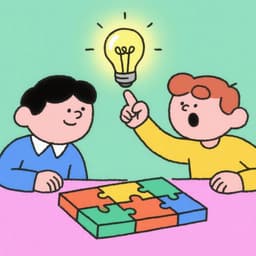
Dar en el clavo
"To hit on the nail"
To be exactly right, to guess correctly, or to make a perfect point.

Dar gato por liebre
"To give cat for hare"
To deceive someone by giving them something of lower quality than what was promised or expected.
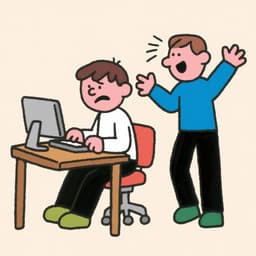
Dar la lata
"To give the can"
To annoy, bother, or pester someone; to be a pain in the neck.
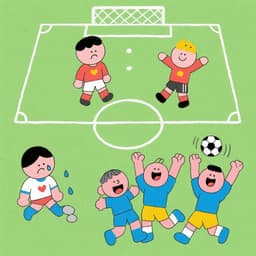
Dar la vuelta a la tortilla
"To flip the tortilla"
To turn a situation around completely; to turn the tables.
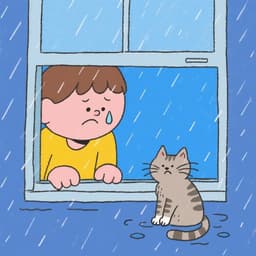
Dar pena
"To give pity/sorrow"
To evoke feelings of pity, sadness, or secondhand embarrassment; also, to feel shy or embarrassed about doing something.
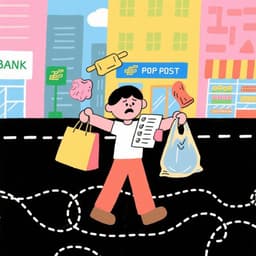
De la Ceca a la Meca
"From the Ceca to the Meca"
To go from one place to another in a restless or hectic way; to go all over the place.
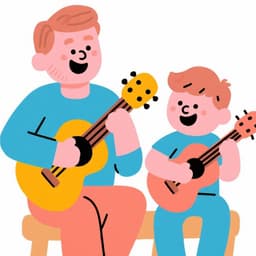
De tal palo tal astilla
"From such a stick, such a splinter."
A child has the same qualities, behaviors, or faults as their parents.

Del dicho al hecho hay mucho trecho
"From the saying to the deed, there is a long stretch."
It's much easier to say you will do something than to actually do it. It highlights the gap between intentions and actions.

Dorar la píldora
"To gild the pill"
To make something unpleasant (like bad news or criticism) seem more attractive or acceptable than it really is.
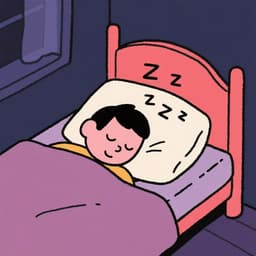
Dormir a pierna suelta
"To sleep with a loose leg"
To sleep very deeply and peacefully, without any worries.
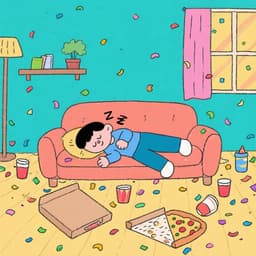
Dormir la mona
"To sleep the female monkey"
To sleep off a period of drunkenness; to sleep while drunk to recover.

Echar aguas
"To throw waters"
To act as a lookout; to keep watch for someone, usually while they are doing something secretive or mischievous.
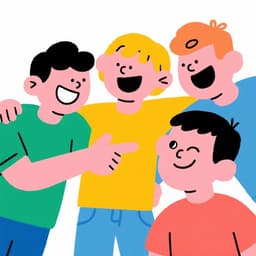
Echar carrilla
"To throw a little cart / reel"
To tease, poke fun at, or give someone a hard time, usually in a playful but persistent way.
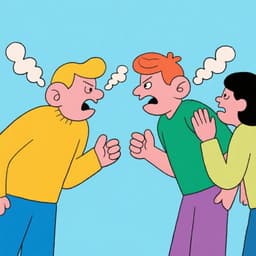
Echar leña al fuego
"To throw firewood on the fire."
To make a bad situation, argument, or problem even worse.

Echar por la borda
"To throw overboard"
To waste, discard, or ruin something valuable, like an opportunity, a relationship, or a lot of hard work.
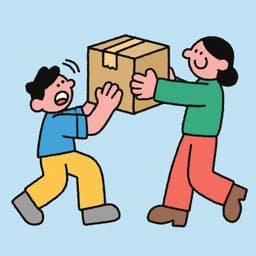
Echar una mano
"To throw a hand"
To help someone out, to lend a hand.

El que mucho abarca, poco aprieta
"He who embraces a lot, squeezes little."
If you try to do too many things at once, you won't do any of them well. It's a warning against overextending yourself.

El que no llora no mama
"The one who doesn't cry doesn't suckle."
If you don't ask for what you want or need, you won't get it. You have to speak up to get things done.

El que se fue a Sevilla perdió su silla
"He who went to Seville lost his chair."
If you leave your spot or position, you might lose it to someone else. It's a playful way to claim a seat someone has just vacated.
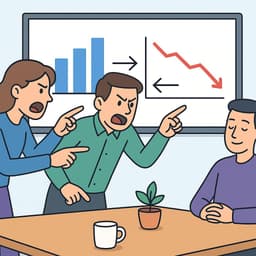
En boca cerrada no entran moscas
"In a closed mouth, flies do not enter."
It's better to stay quiet to avoid saying something foolish, revealing a secret, or getting into trouble.
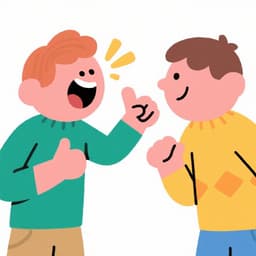
Es la neta
"It's the net."
It's the truth; It's the real deal; It's awesome.
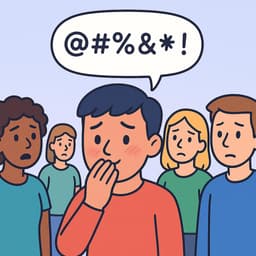
Escaparse la tortuga
"For the turtle to escape."
To make a blunder, say something foolish or inappropriate by accident, or to lose one's train of thought.
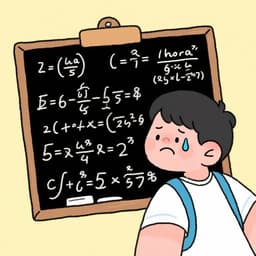
Está cañón
"It's cannon."
Something is very difficult, intense, impressive, or great. It can also mean a person is very attractive.

Estar al horno
"To be in the oven"
To be in a very difficult, hopeless situation with no easy way out.
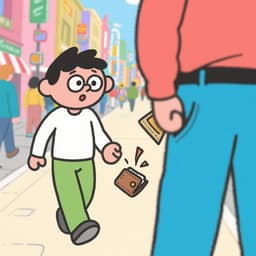
Estar al loro
"To be at the parrot"
To be alert, aware, on the lookout, or in the know.
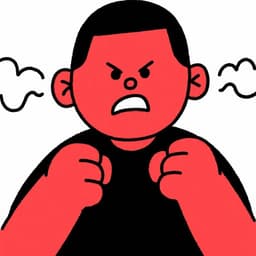
Estar como agua para chocolate
"To be like water for chocolate"
To be at the boiling point, either with anger (furious) or with passion (very excited, aroused, or flustered).

Estar como bola sin manija
"To be like a ball without a handle."
To be flustered, disoriented, or moving from one place to another without a clear purpose; to be agitated or anxious.

Estar como pez en el agua
"To be like a fish in the water"
To feel very comfortable or at ease in a particular situation; to be in one's element.

Estar como una cabra
"To be like a goat"
To be crazy, eccentric, or act in a wild and unpredictable way.
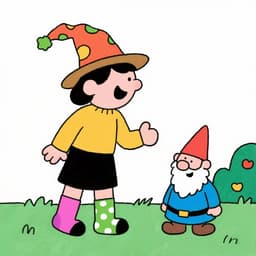
Estar como una regadera
"To be like a watering can"
To be crazy, eccentric, or out of one's mind in a quirky or silly way.
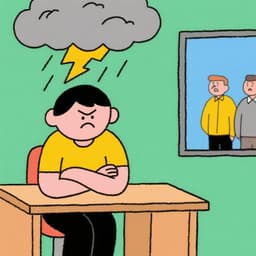
Estar de mala leche
"To be of bad milk"
To be in a bad mood, irritable, or grumpy.

Estar en Babia
"To be in Babia."
To be daydreaming, absent-minded, or not paying attention to your surroundings.
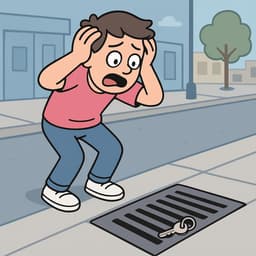
Estar en el horno
"To be in the oven"
To be in big trouble, in a hopeless situation, or done for.
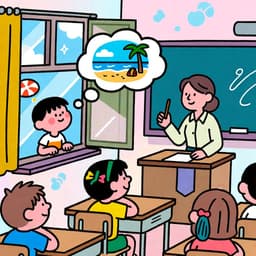
Estar en las nubes
"To be in the clouds"
To be daydreaming, distracted, absent-minded, or not paying attention to what is happening around you.
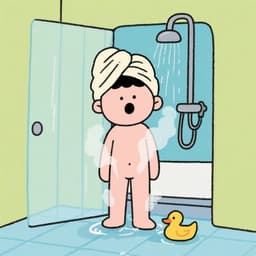
Estar en pelotas
"To be in balls"
To be completely naked or stark-naked. It can also mean to be completely clueless or ignorant about a subject.

Estar forrado
"To be lined / To be covered"
To be very rich, loaded with money.
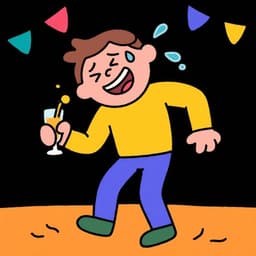
Estar hasta las chanclas
"To be up to the flip-flops."
To be extremely drunk; wasted. It can also mean to be completely fed up with something.

Estar hasta las manos
"To be up to the hands"
To be extremely busy, swamped with work, or deeply involved in a complicated situation.

Estar hasta las narices
"To be up to the noses"
To be completely fed up with something or someone; to be sick and tired of a situation.
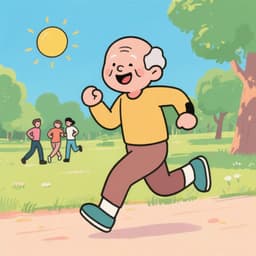
Estar más sano que un roble
"To be healthier than an oak tree"
To be in excellent health; to be very healthy, robust, and strong.

Estar piripi
"To be piripi"
To be tipsy or slightly drunk in a cheerful way.
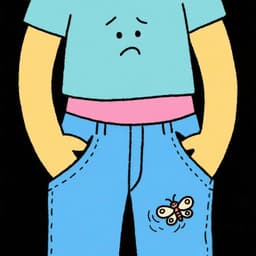
Estar sin blanca
"To be without white"
To be broke; to have no money at all.

Flipar en colores
"To flip out in colors"
To be completely amazed, mind-blown, or extremely surprised by something.
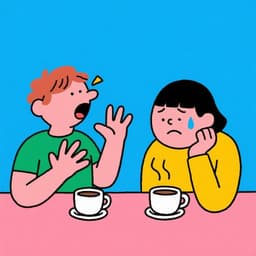
Hablar por los codos
"To speak through the elbows"
To talk a lot; to be very chatty or talkative.

Hacer buena letra
"To make good letter / To have good handwriting"
To be on your best behavior to make a good impression or win someone's favor, especially someone in authority.

Hacer buenas migas
"To make good crumbs"
To get along well with someone; to hit it off.
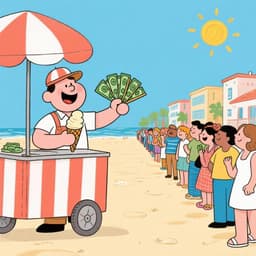
Hacer el agosto
"To make the August"
To make a lot of money quickly, often by taking advantage of a specific situation; to make a killing.

Hacer la pelota
"To make the ball"
To flatter someone to gain favor; to suck up to someone.
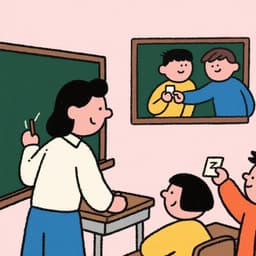
Hacer la vista gorda
"To make the sight fat"
To pretend not to see something; to intentionally ignore a wrongdoing or problem.

Hacer novillos
"To make young bulls"
To skip school or, less commonly, work; to play hooky.
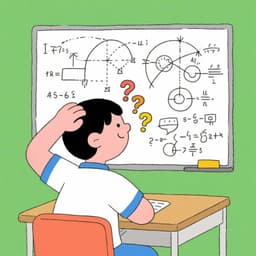
Hacerse bolas
"To make oneself into balls."
To get confused, mixed up, or mentally tangled, especially when dealing with complex information or instructions.

Hacerse el sota
"To make oneself the jack (playing card)."
To play dumb, feign ignorance, or pretend not to understand something, usually to avoid a task or responsibility.
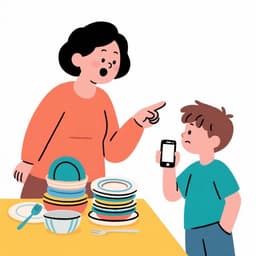
Hacerse el sueco
"To make oneself the Swede."
To play dumb, feign ignorance, or pretend not to understand or hear something to avoid a responsibility.
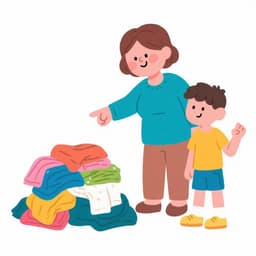
Hacerse guaje
"To make oneself a gourd."
To play dumb, feign ignorance, or pretend not to understand something, usually to avoid responsibility.
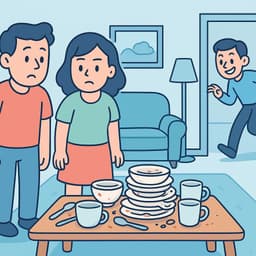
Hacerse perdiz
"To make oneself a partridge."
To disappear, vanish, or make oneself scarce, especially to avoid a responsibility or an unpleasant situation.
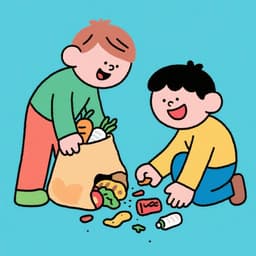
Hazme el paro
"Do me the stop."
An informal way to ask for a favor, help, or support, especially in an urgent situation.
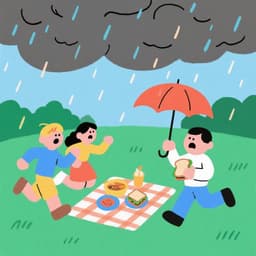
Hombre prevenido vale por dos
"A forewarned man is worth two."
Being prepared or having foresight gives you a significant advantage, effectively doubling your strength or capabilities.
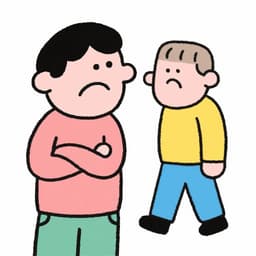
Ir a freír espárragos
"To go fry asparagus"
To tell someone to get lost, go away, or stop bothering you, usually out of annoyance.
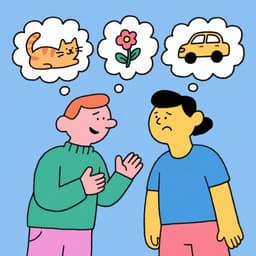
Irse por las ramas
"To go by the branches"
To get sidetracked, to go off on a tangent, or to beat around the bush.
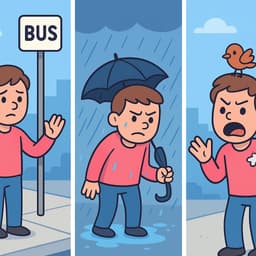
La gota que rebalsó el vaso
"The drop that overflowed the glass."
The final, small event in a series of negative ones that makes a situation unbearable.
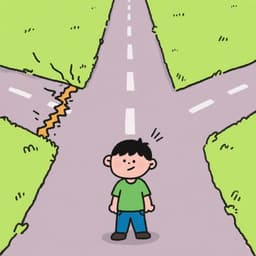
La suerte está echada
"The luck is cast/thrown."
The point of no return has been passed; a decision has been made and the outcome is now out of our hands.
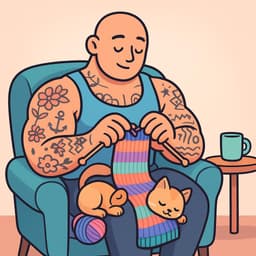
Las apariencias engañan
"Appearances deceive"
Things are not always what they seem on the surface; you can't judge something or someone based only on their outward appearance.

Las cuentas claras conservan la amistad
"The clear accounts preserve the friendship."
Being clear and transparent about money or obligations between friends is the best way to avoid arguments and maintain a good relationship.
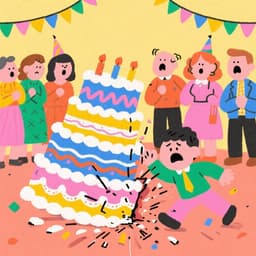
Liarla parda
"To tie it brown"
To cause a huge scene, to make a big mess, or to screw up big time.
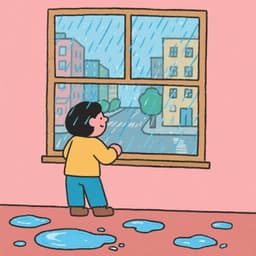
Llover a cántaros
"To rain by pitchers."
To rain very heavily; to pour down with rain.
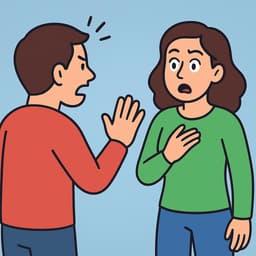
Mandar al carajo
"To send to the crow's nest"
A strong, vulgar way to tell someone to go to hell, get lost, or to completely dismiss an idea or situation.
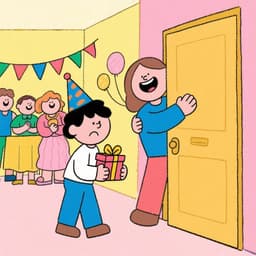
Más vale tarde que nunca
"It's worth more late than never."
It's better to do something late than to not do it at all.

Más viejo que Matusalén
"Older than Methuselah"
To be extremely old, ancient, or outdated.
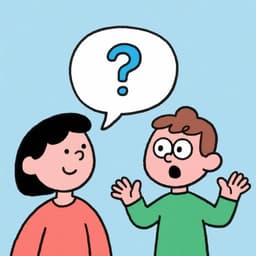
Me agarraste en curva
"You caught me on a curve."
You caught me off-guard, unprepared, or at a bad moment.
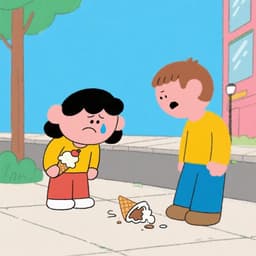
Me da pena
"It gives me pain/pity."
To feel pity, sorrow, or secondhand embarrassment for someone or something; to feel shy or ashamed.
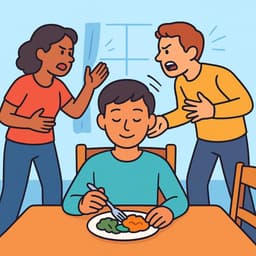
Me hago el bobo y como de todo
"I make myself the fool and I eat everything."
To play dumb or feign ignorance in a situation to avoid conflict or responsibility, while still enjoying the benefits.
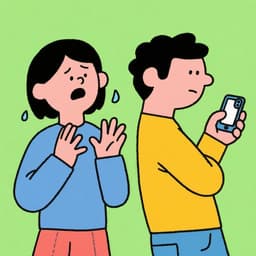
Me vale un reverendo cacahuate
"It's worth a reverend peanut to me."
A strong, dismissive way of saying 'I couldn't care less' or 'I don't give a damn'.
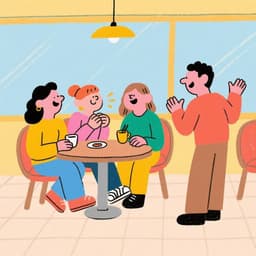
Meter baza
"To put in a trick (in cards)"
To chime in, join a conversation, or offer one's opinion, sometimes when it's not requested.
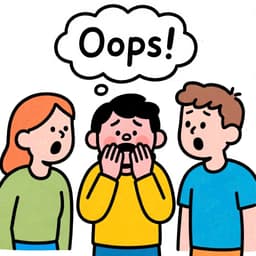
Meter la pata
"To put the paw/leg in"
To make a mistake, say something inappropriate, or screw up. To put your foot in your mouth.
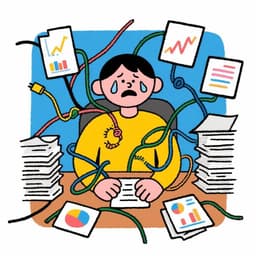
Meterse en camisa de once varas
"To get into a shirt of eleven 'varas' (rods)"
To get involved in a complicated, difficult situation, often unnecessarily; to bite off more than you can chew.
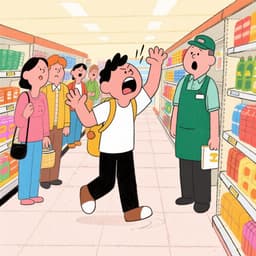
Montar un pollo
"To set up a chicken"
To make a scene, cause a commotion, or kick up a fuss, usually in an angry or dramatic way.

Mostrar la hilacha
"To show the loose thread"
To reveal one's true, and usually negative, character, flaws, or intentions.

Mover los hilos
"To move the strings."
To pull the strings; to control a situation or people from behind the scenes, often secretly.

Nadar y ahogarse en la orilla
"To swim and drown on the shore."
To fail at the very last moment after having completed all the hard work; to give up when success is just within reach.

Ni chicha ni limonada
"Neither chicha nor lemonade."
Describes something that is mediocre, bland, unremarkable, or lacks a clear identity. It's neither one thing nor the other.
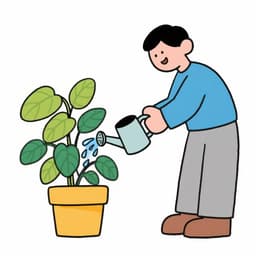
Ni tanto que queme al santo, ni tanto que no lo alumbre
"Not so much that it burns the saint, nor so little that it doesn't illuminate him."
A call for moderation and balance; to avoid extremes in any situation.
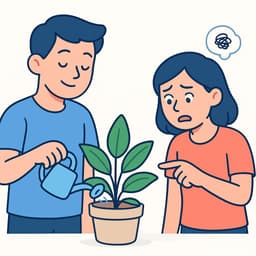
No busques la quinta pata al gato
"Don't look for the fifth leg on the cat."
Don't overcomplicate things, look for hidden problems that aren't there, or try to find fault in something that is perfectly fine.
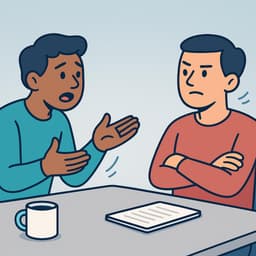
No dar el brazo a torcer
"To not give the arm to twist."
To not give in, back down, or change one's opinion; to be stubborn or stand one's ground.
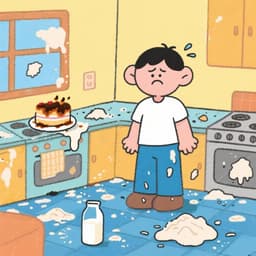
No dar pie con bola
"To not give foot with ball"
To not get anything right; to be clumsy or screw up repeatedly.
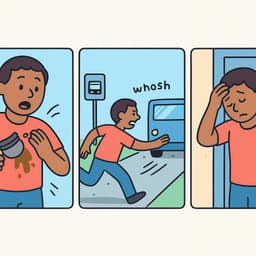
No hay dos sin tres
"There is no two without three"
If something has happened twice, it is very likely to happen a third time. It's a way of saying that events, especially unfortunate ones, tend to happen in threes.
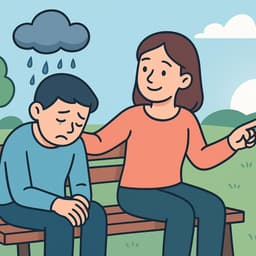
No hay mal que dure cien años
"There is no evil/bad thing that lasts one hundred years."
Tough times don't last forever. This is a phrase of encouragement used to comfort someone going through a difficult period, reminding them that their situation is temporary.
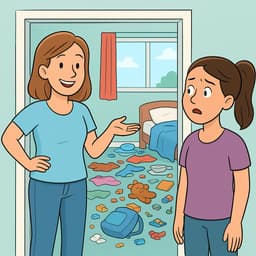
No hay peor ciego que el que no quiere ver
"There is no worse blind person than the one who doesn't want to see."
Refers to someone who willfully ignores an obvious truth, reality, or problem because it is easier or more comfortable than facing it.
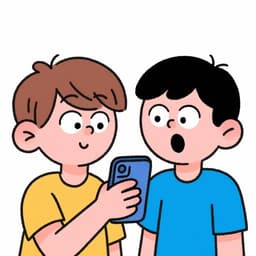
No manches
"Don't stain."
An expression of surprise, disbelief, or annoyance, similar to 'No way!', 'You're kidding!', or 'Come on!'.
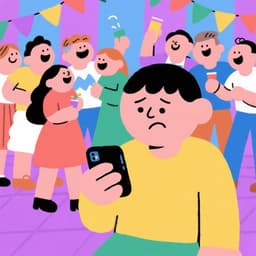
No pintar nada
"To not paint anything"
To have no business being somewhere; to be irrelevant, out of place, or have nothing to contribute.
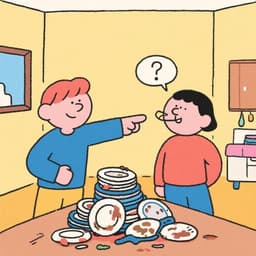
No te hagas el pato
"Don't make yourself the duck."
To pretend you don't know something or aren't involved; to play dumb or feign ignorance.
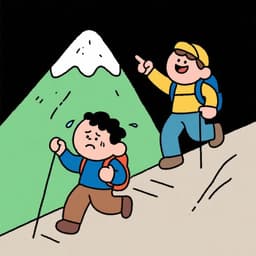
No te rajes
"Don't split yourself / Don't tear yourself"
Don't back down, don't give up, or don't chicken out. It’s a phrase of encouragement to persevere or follow through on a commitment.
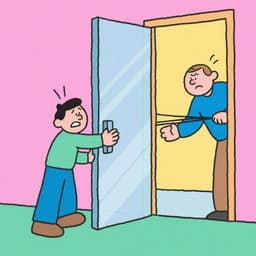
No tener dos dedos de frente
"To not have two fingers of forehead"
To be unintelligent, lack common sense, or be foolish.
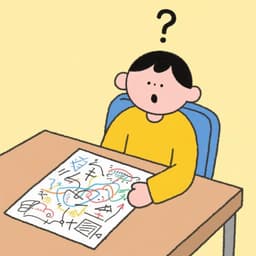
No tener ni pies ni cabeza
"To have neither feet nor head"
To make no sense; to be completely illogical or nonsensical.
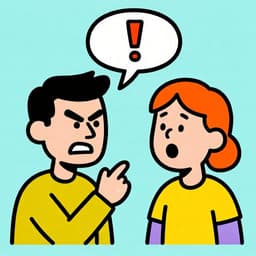
No tener pelos en la lengua
"To not have hairs on the tongue"
To be blunt, direct, and outspoken; to say what you think without filtering it.
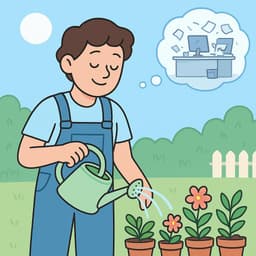
Ojos que no ven, corazón que no siente
"Eyes that don't see, heart that doesn't feel."
You don't suffer or worry about things you are unaware of.
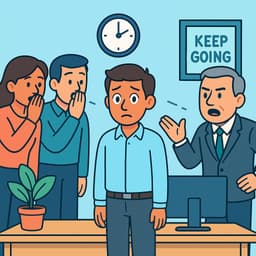
Pagar el pato
"To pay the duck."
To be unfairly blamed for something; to take the fall or be the scapegoat.

Pagar los platos rotos
"To pay for the broken plates"
To be unfairly blamed or punished for someone else's mistake; to be the scapegoat.
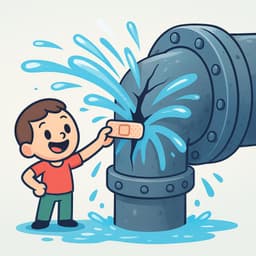
Pan para hoy y hambre para mañana
"Bread for today and hunger for tomorrow"
A short-term solution that creates bigger problems in the long run. It describes a quick fix that doesn't solve the underlying issue and has negative consequences.
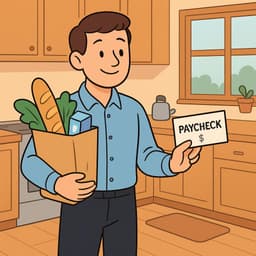
Parar la olla
"To stop the pot."
To earn enough money to live; to provide for oneself or one's family; to make ends meet.

Parar la oreja
"To stop the ear"
To listen attentively, pay close attention, or eavesdrop.
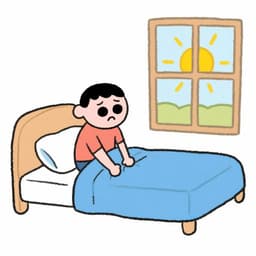
Pasar la noche en blanco
"To pass the night in white."
To stay up all night without sleeping; to have a sleepless night.
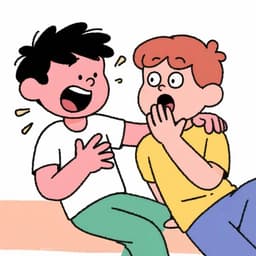
Pasarse tres pueblos
"To pass three towns/villages."
To go way too far, to cross the line, to exaggerate, or to go over the top.
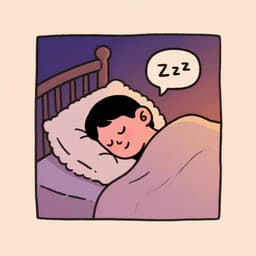
Planchar la oreja
"To iron the ear"
To go to sleep; to hit the sack.
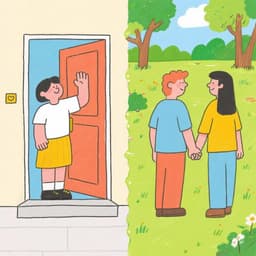
Poner los cuernos
"To put the horns on"
To be unfaithful to one's romantic partner; to cheat on someone.
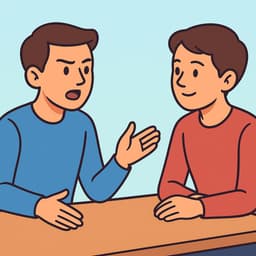
Poner los puntos sobre las íes
"To put the dots on the i's"
To clarify a situation, be very precise, and leave no room for ambiguity or misunderstanding.
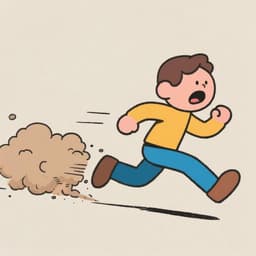
Poner pies en polvorosa
"To put feet in dusty/powdery ground"
To flee quickly, to beat a hasty retreat, to skedaddle.
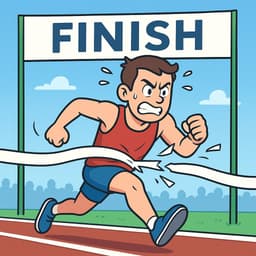
Poner toda la carne en el asador
"To put all the meat on the grill."
To go all out, give something your maximum effort, or risk everything for a single objective.

Ponerse como una fiera
"To become like a wild beast"
To get extremely angry; to fly into a rage or become furious.
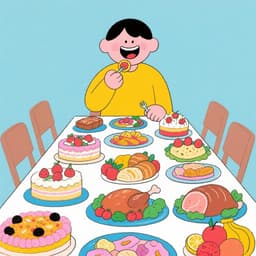
Ponerse las botas
"To put on the boots"
To indulge, feast, or profit greatly from a situation; to have a field day.

Ponerse las pilas
"To put the batteries in oneself."
To get energized, get your act together, or start working with more focus and effort.
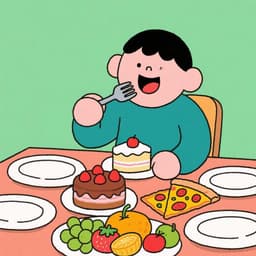
Ponerse morado
"To turn purple"
To eat a lot of something; to stuff oneself with food; to pig out.
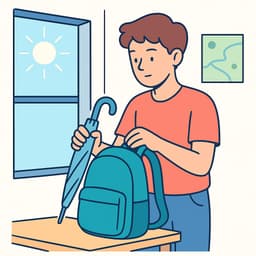
Por las dudas
"For the doubts"
To do something as a precaution, just in case it's needed.
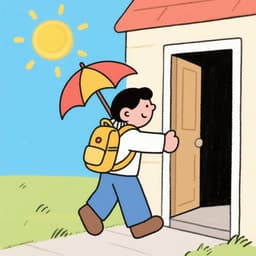
Por si las moscas
"For if the flies"
To do something 'just in case' or 'to be on the safe side'.
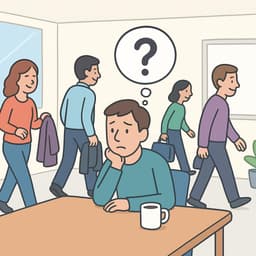
Quedar en el tintero
"To remain in the inkwell"
To be left unsaid, undone, or forgotten, often unintentionally.
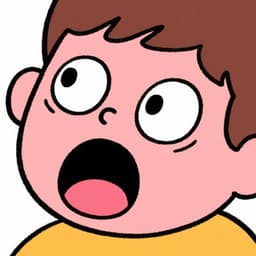
Quedarse de a seis
"To be left of a six"
To be stunned, speechless, or completely surprised; to be gobsmacked.

Quedarse en blanco
"To remain in white"
For your mind to go completely blank; to forget something you know.

Quedarse frito
"To stay/get fried"
To fall fast asleep; to conk out or crash.
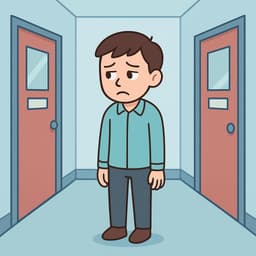
Quedarse sin el pan y sin las tortas
"To be left without the bread and without the cakes."
To try to get two things at once, often out of greed or indecision, and end up with neither. To lose out on everything.

Quien mucho abarca poco aprieta
"Whoever embraces a lot, squeezes little."
Trying to do too many things at once will result in none of them being done well. It's a warning about the lack of focus.
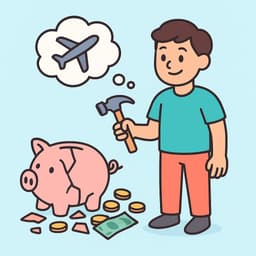
Romper el chanchito
"To break the little pig"
To break open a piggy bank; to spend one's savings, often on something special or for an emergency.
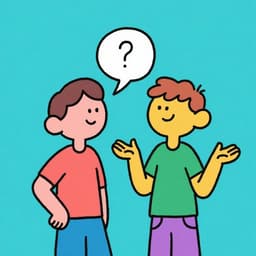
Sepa la bola
"The ball may know."
A very common way to say 'Who knows?', 'I have no idea,' or 'Your guess is as good as mine.'
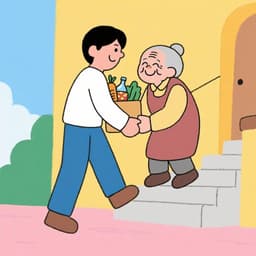
Ser buena gente
"To be good people"
To be a good, kind, and decent person; to be good-hearted.
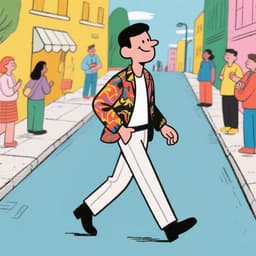
Ser más chulo que un ocho
"To be cooler/more cocky than an eight"
To be very cocky, arrogant, or stylish in a showy way. It can be used with admiration for someone's confidence or with criticism for their arrogance.

Ser pan comido
"To be eaten bread"
To be very easy to do; a piece of cake.

Ser un trozo de pan
"To be a piece of bread"
To be a very kind, generous, and good-hearted person.

Tener la sartén por el mango
"To have the frying pan by the handle"
To be in control of a situation; to have the upper hand.

Tener mala leche
"To have bad milk"
To be in a bad mood, to be ill-tempered, or to do something with bad intentions.
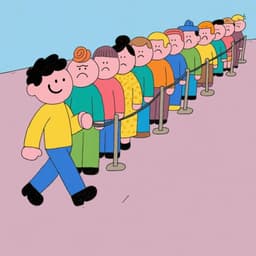
Tener mucho morro
"To have a lot of snout"
To be shameless, cheeky, or to have a lot of nerve. It describes someone who acts in their own self-interest without embarrassment, often at the expense of others.

Tener salero
"To have a salt shaker"
To be charming, witty, graceful, or have a special spark.
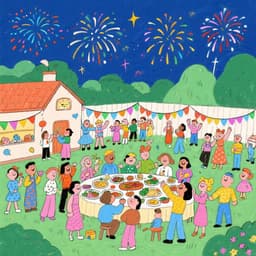
Tirar la casa por la ventana
"To throw the house out the window"
To spend a lot of money lavishly, especially on a celebration or a large purchase; to spare no expense.
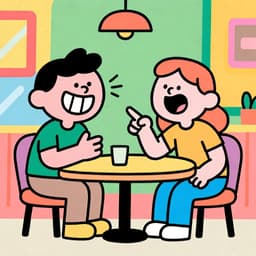
Tomar el pelo
"To take the hair"
To tease someone, pull their leg, or trick them in a playful way.
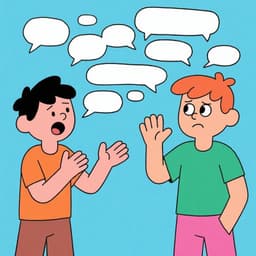
Ya chole
"Already, chole!"
Enough already! Give it a rest! I'm fed up with this.
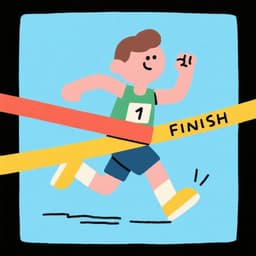
Ya merito
"Already just a little bit"
Almost; just about; on the verge of happening.
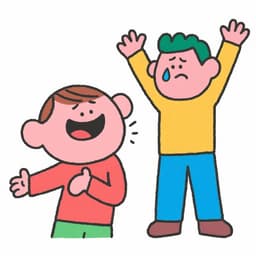
Ya ni la amuelas
"You don't even sharpen it anymore"
An expression of exasperation, used to tell someone they are being very annoying, have gone too far, or are being ridiculous. It's a strong way to say 'Give me a break!' or 'You're pushing it'.
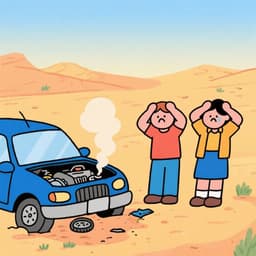
Ya nos cargó el payaso
"The clown has already carried us."
We're done for; we're screwed. It signifies a situation that has gone catastrophically and irreversibly wrong.
Frequently Asked Questions About Spanish Commonly Used Idioms
What are the most useful everyday Spanish idioms?
Essential everyday Spanish idioms include "estar hasta las narices" (to be fed up), "ir al grano" (to get to the point), "ser pan comido" (to be easy), "dar la lata" (to be annoying), "echar una mano" (to help out), "quedarse de piedra" (to be shocked), and "meter la pata" (to make a mistake). These appear constantly in daily conversation.
How many idioms should I learn to sound natural in Spanish?
Start with 20-30 high-frequency idioms and master them completely. Once these feel natural, gradually add more. Fluency isn't about knowing thousands of idioms—it's about using common ones naturally and understanding them in context. Quality over quantity leads to better retention and more natural usage.
When should I start learning Spanish idioms?
You can begin learning simple Spanish idioms at an intermediate level (B1-B2). Once you have basic grammar and vocabulary, idioms will help you sound more natural and understand natives better. Start with common expressions in everyday situations, then expand to specialized categories as your proficiency grows.
Have more questions about learning Spanish idioms? Browse our complete idiom guide.
Browse All Spanish Idiom Categories
Ready to Master More Spanish Idioms?
Explore our complete collection of 180+ Spanish idioms organized by category, difficulty level, and regional usage. Perfect for intermediate to advanced learners.
View All Spanish Idioms →