Spanish Lies & Deception Idioms
Master 20 authentic Spanish expressions about lies & deception with meanings, examples, and pronunciation guidance
Understanding Spanish Lies & Deception Idioms
Spanish lies and deception idioms expose dishonesty, manipulation, and trickery. From "tener más cara que espalda" (to have more face than back/be shameless) to "meter gato por liebre" (to deceive, literally "to put cat for hare"), these expressions help Spanish speakers identify, criticize, and warn about deceitful behavior.
When to Use These Expressions
Deception idioms are used when calling out lies, warning about scams, describing manipulative people, or discussing dishonest situations. They appear in cautionary tales, complaints, and when exposing or discussing fraud and trickery.
Learning Tips for Lies & Deception Idioms
- Learn idioms for different deception types: lies, scams, manipulation
- Practice recognizing warning expressions—they protect against fraud
- Understand that these are often used with moral indignation
- Note both the deceiver and the deceived perspectives
Most Common Lies & Deception Idioms
Start with these high-frequency expressions used daily by native speakers
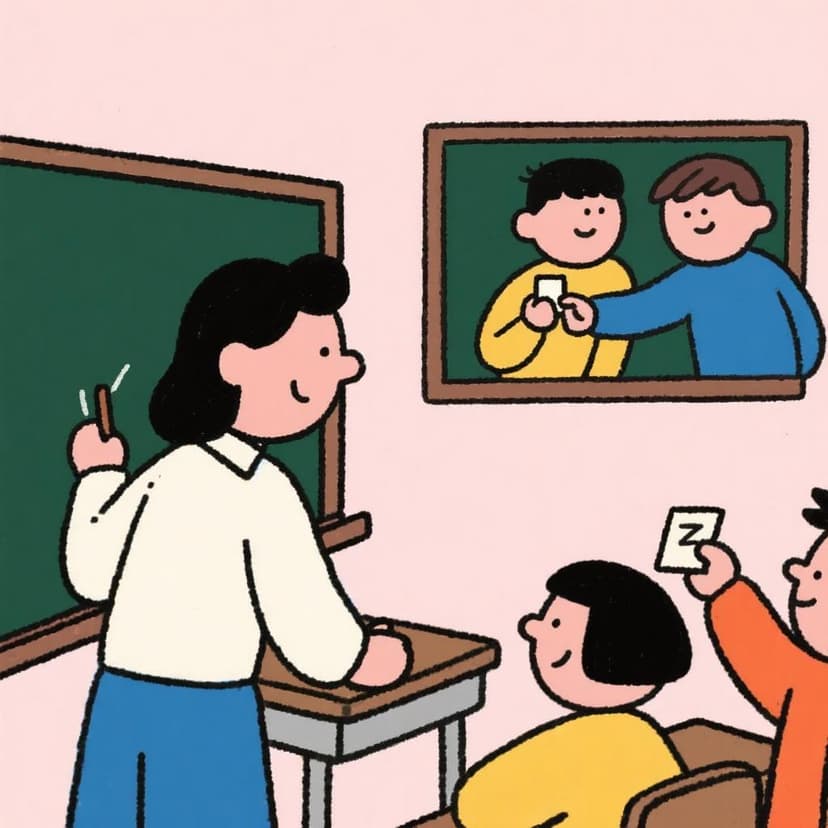
Hacer la vista gorda
★★★★★Literal: "To make the sight fat"
Meaning: To pretend not to see something; to intentionally ignore a wrongdoing or problem.
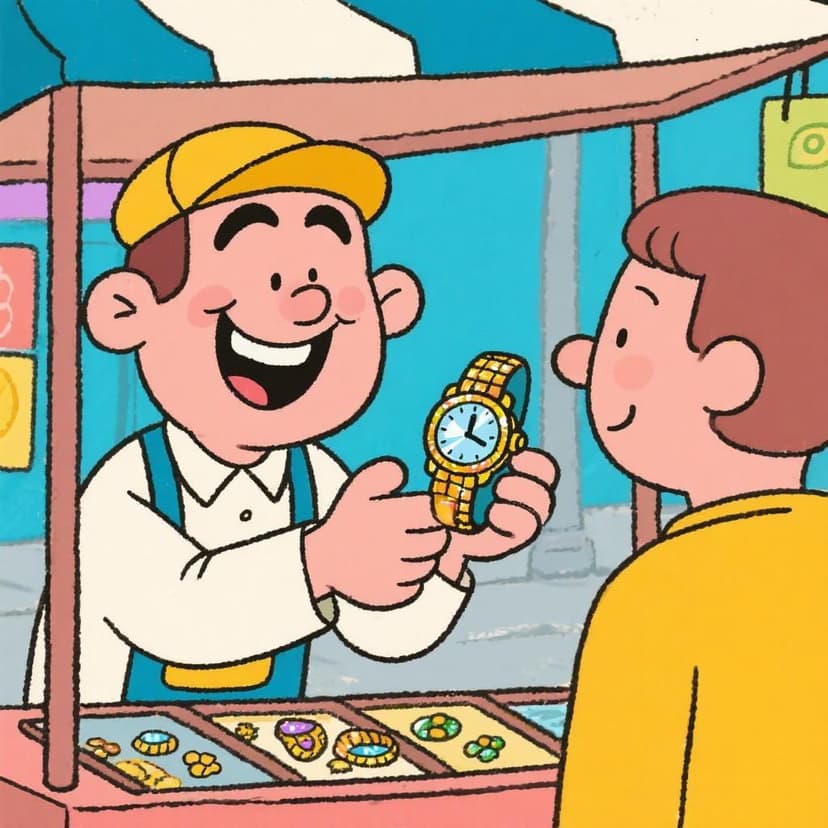
Dar el gatazo
★★★★☆Literal: "To give the big cat-smack"
Meaning: To deceive someone by making a low-quality or fake item look authentic and valuable.
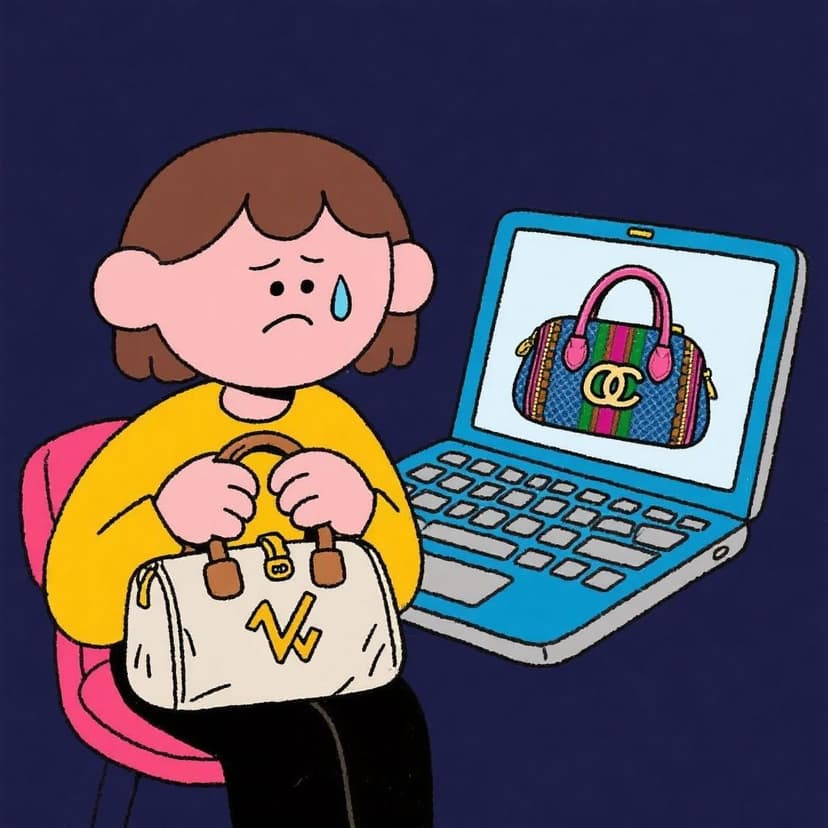
Dar gato por liebre
★★★★☆Literal: "To give cat for hare"
Meaning: To deceive someone by giving them something of lower quality than what was promised or expected.
Complete List of Lies & Deception Idioms

Con el cuchillo abajo del poncho
"With the knife under the poncho."
To act with hidden, treacherous, or hostile intentions; to be secretive and prepared for conflict while appearing calm.
Dar el gatazo
"To give the big cat-smack"
To deceive someone by making a low-quality or fake item look authentic and valuable.

Dar gato por liebre
"To give cat for hare"
To deceive someone by giving them something of lower quality than what was promised or expected.
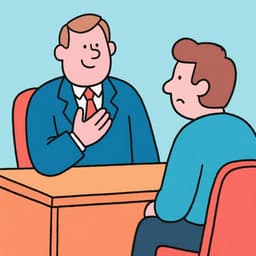
Dorar la píldora
"To gild the pill"
To make something unpleasant (like bad news or criticism) seem more attractive or acceptable than it really is.
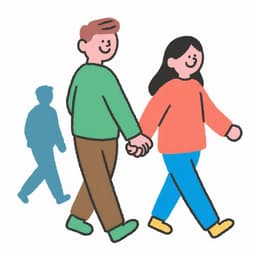
Hacer de chivo los tamales
"To make the tamales out of goat meat."
To cheat on a romantic partner; to be unfaithful.
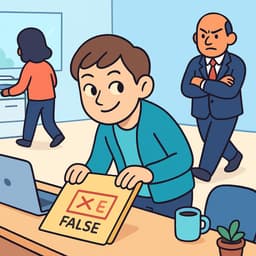
Hacer la cama
"To do the bed / To make the bed"
To frame someone for a crime or wrongdoing; to set someone up to fail.
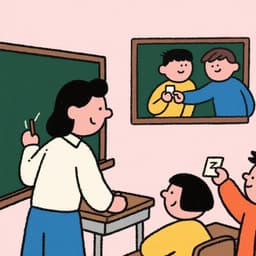
Hacer la vista gorda
"To make the sight fat"
To pretend not to see something; to intentionally ignore a wrongdoing or problem.
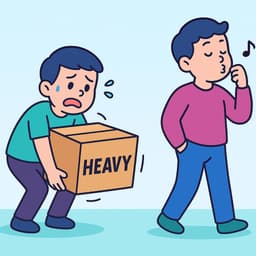
Hacerse el chancho rengo
"To make oneself the lame pig."
To pretend to be unaware, ignorant, or unable to do something, usually to avoid work or responsibility.

Hacerse el sota
"To make oneself the jack (playing card)."
To play dumb, feign ignorance, or pretend not to understand something, usually to avoid a task or responsibility.
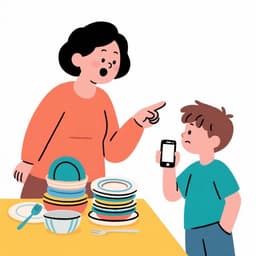
Hacerse el sueco
"To make oneself the Swede."
To play dumb, feign ignorance, or pretend not to understand or hear something to avoid a responsibility.

Hacerse guaje
"To make oneself a gourd."
To play dumb, feign ignorance, or pretend not to understand something, usually to avoid responsibility.
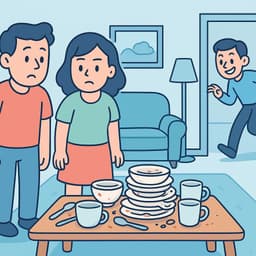
Hacerse perdiz
"To make oneself a partridge."
To disappear, vanish, or make oneself scarce, especially to avoid a responsibility or an unpleasant situation.
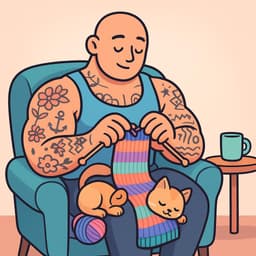
Las apariencias engañan
"Appearances deceive"
Things are not always what they seem on the surface; you can't judge something or someone based only on their outward appearance.
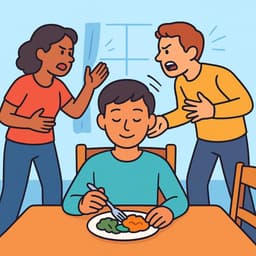
Me hago el bobo y como de todo
"I make myself the fool and I eat everything."
To play dumb or feign ignorance in a situation to avoid conflict or responsibility, while still enjoying the benefits.
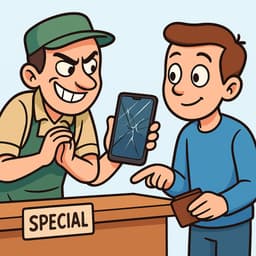
Meter la mula
"To put the mule in"
To trick someone, lie, or pass off something of poor quality as good; to swindle or deceive.

Mostrar la hilacha
"To show the loose thread"
To reveal one's true, and usually negative, character, flaws, or intentions.
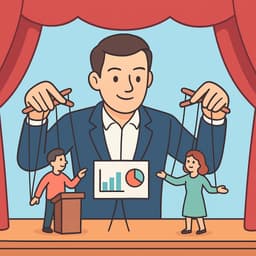
Mover los hilos
"To move the strings."
To pull the strings; to control a situation or people from behind the scenes, often secretly.
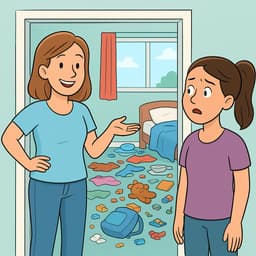
No hay peor ciego que el que no quiere ver
"There is no worse blind person than the one who doesn't want to see."
Refers to someone who willfully ignores an obvious truth, reality, or problem because it is easier or more comfortable than facing it.
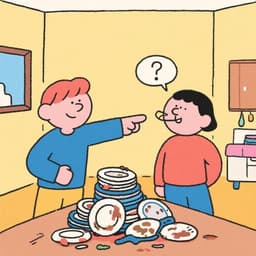
No te hagas el pato
"Don't make yourself the duck."
To pretend you don't know something or aren't involved; to play dumb or feign ignorance.

Pagar el pato
"To pay the duck."
To be unfairly blamed for something; to take the fall or be the scapegoat.
Frequently Asked Questions About Spanish Lies & Deception Idioms
What are Spanish deception idioms?
Spanish deception idioms include "meter gato por liebre" (to deceive/swindle), "tener más cara que espalda" (to be shameless), "hacer la vista gorda" (to turn a blind eye), "dar gato por liebre" (to deceive), and "ser un embustero" (to be a liar). These describe various forms of dishonesty and trickery.
How do Spanish speakers warn about deception?
Spanish speakers use vivid idioms to warn about scams and deception, often invoking animal metaphors or physical impossibilities. Expressions like "meter gato por liebre" (passing off cat meat as rabbit) come from historical scams, making them culturally rich warnings about dishonesty.
Have more questions about learning Spanish idioms? Browse our complete idiom guide.
Browse All Spanish Idiom Categories
Ready to Master More Spanish Idioms?
Explore our complete collection of 20+ Spanish idioms organized by category, difficulty level, and regional usage. Perfect for intermediate to advanced learners.
View All Spanish Idioms →