Spanish Betrayal Idioms
Master 8 authentic Spanish expressions about betrayal with meanings, examples, and pronunciation guidance
Understanding Spanish Betrayal Idioms
Spanish betrayal idioms express the pain of disloyalty and treachery with visceral imagery. From "dar una puñalada por la espalda" (to stab in the back) to "vender a alguien" (to sell someone out), these expressions reflect the serious view Hispanic cultures take of loyalty and the deep wounds caused by broken trust.
When to Use These Expressions
Betrayal idioms are used when discussing disloyalty, describing backstabbing, processing broken trust, or warning about untrustworthy people. They appear in personal narratives, advice, and discussions of relationships gone wrong.
Learning Tips for Betrayal Idioms
- Learn the intensity of betrayal language—it reflects strong cultural values
- Practice idioms about different types of betrayal: romantic, friendship, business
- Understand that loyalty is highly valued in Hispanic cultures
- Note both the action of betraying and the state of being betrayed
Most Common Betrayal Idioms
Start with these high-frequency expressions used daily by native speakers
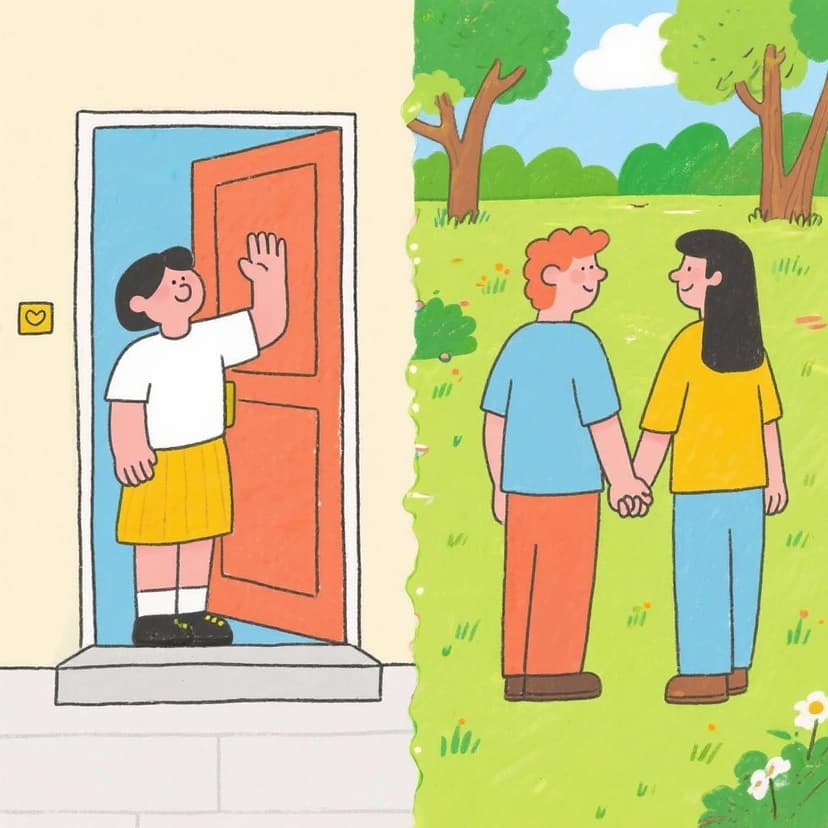
Poner los cuernos
★★★★★Literal: "To put the horns on"
Meaning: To be unfaithful to one's romantic partner; to cheat on someone.

Cargar con el muerto
★★★★☆Literal: "To carry the dead one"
Meaning: To take the blame for something you didn't do; to get stuck with an unpleasant task or responsibility that nobody else wants.

Pagar los platos rotos
★★★★☆Literal: "To pay for the broken plates"
Meaning: To be unfairly blamed or punished for someone else's mistake; to be the scapegoat.
Complete List of Betrayal Idioms
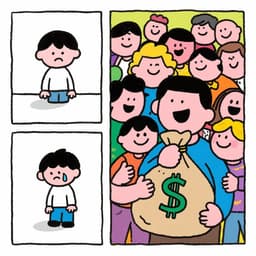
Al nopal sólo se le arriman cuando tiene tunas
"They only get close to the nopal cactus when it has prickly pears."
Describes opportunistic people or 'fair-weather friends' who only appear when they can get something from you.

Cargar con el muerto
"To carry the dead one"
To take the blame for something you didn't do; to get stuck with an unpleasant task or responsibility that nobody else wants.

Con el cuchillo abajo del poncho
"With the knife under the poncho."
To act with hidden, treacherous, or hostile intentions; to be secretive and prepared for conflict while appearing calm.

Hacer de chivo los tamales
"To make the tamales out of goat meat."
To cheat on a romantic partner; to be unfaithful.
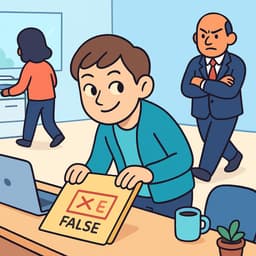
Hacer la cama
"To do the bed / To make the bed"
To frame someone for a crime or wrongdoing; to set someone up to fail.
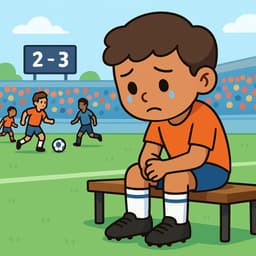
Le cortaron las piernas
"They cut off his/her legs."
To suddenly and unfairly destroy someone's hopes, dreams, or chances of success, especially when they were close to achieving a goal.

Pagar los platos rotos
"To pay for the broken plates"
To be unfairly blamed or punished for someone else's mistake; to be the scapegoat.
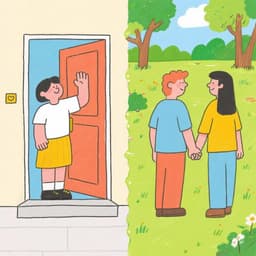
Poner los cuernos
"To put the horns on"
To be unfaithful to one's romantic partner; to cheat on someone.
Frequently Asked Questions About Spanish Betrayal Idioms
What are Spanish betrayal idioms?
Spanish betrayal idioms include "dar una puñalada por la espalda" (to stab in the back), "vender a alguien" (to sell someone out), "poner los cuernos" (to cheat on a partner), "ser un Judas" (to be a Judas/traitor), and "morder la mano que te da de comer" (to bite the hand that feeds you). These express various forms of betrayal.
Why are betrayal idioms so vivid in Spanish?
Betrayal idioms are vivid because loyalty is a core value in Hispanic cultures. Family and friendship bonds are taken very seriously, making betrayal a particularly painful transgression. The strong language reflects the cultural weight of broken trust.
Have more questions about learning Spanish idioms? Browse our complete idiom guide.
Browse All Spanish Idiom Categories
Ready to Master More Spanish Idioms?
Explore our complete collection of 8+ Spanish idioms organized by category, difficulty level, and regional usage. Perfect for intermediate to advanced learners.
View All Spanish Idioms →