Mexican Spanish Idioms
Master 22 authentic Spanish expressions about mexico with meanings, examples, and pronunciation guidance
Understanding Spanish Mexico Idioms
Mexican Spanish idioms reflect Mexico's rich culture, history, and unique linguistic creativity. From "¡Órale!" (wow/let's go) to expressions influenced by Nahuatl and Mexican culture, these idioms are essential for understanding the world's largest Spanish-speaking population and Mexico's distinctive communication style.
When to Use These Expressions
Mexican idioms are used throughout Mexico and understood by many Mexican diaspora communities, especially in the United States. They reflect Mexican humor, directness, and cultural values. Learning these is crucial if you're learning Spanish for Mexico specifically.
Learning Tips for Mexico Idioms
- Learn Mexicanisms that differ from other Spanish varieties
- Understand indigenous language influence (especially Nahuatl)
- Practice Mexican diminutives—they're used extensively
- Watch Mexican media to hear natural usage and regional variations
Most Common Mexico Idioms
Start with these high-frequency expressions used daily by native speakers
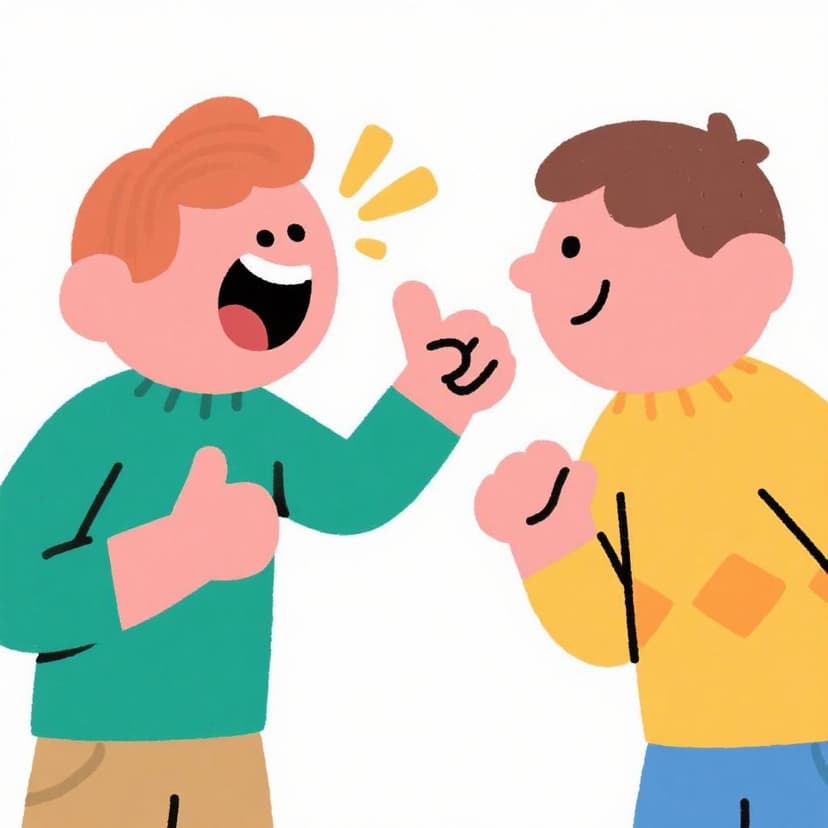
Es la neta
★★★★★Literal: "It's the net."
Meaning: It's the truth; It's the real deal; It's awesome.
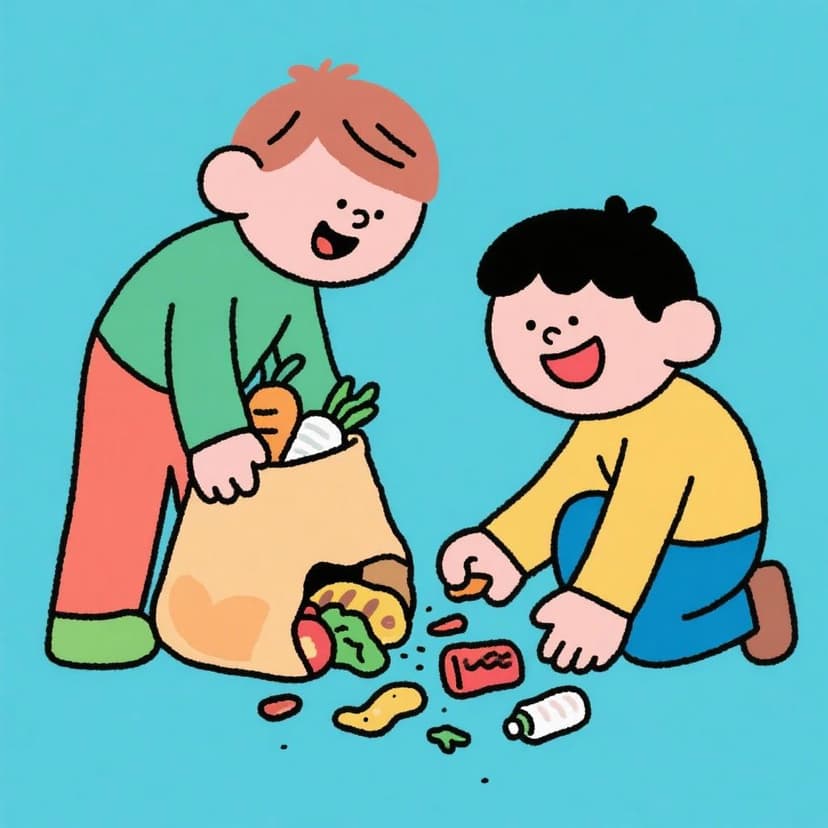
Hazme el paro
★★★★★Literal: "Do me the stop."
Meaning: An informal way to ask for a favor, help, or support, especially in an urgent situation.

Caer el veinte
★★★★☆Literal: "For the twenty to fall."
Meaning: To finally realize or understand something; for the penny to drop.
Complete List of Mexico Idioms

Al nopal sólo se le arriman cuando tiene tunas
"They only get close to the nopal cactus when it has prickly pears."
Describes opportunistic people or 'fair-weather friends' who only appear when they can get something from you.

Caer el veinte
"For the twenty to fall."
To finally realize or understand something; for the penny to drop.

Dar el gatazo
"To give the big cat-smack"
To deceive someone by making a low-quality or fake item look authentic and valuable.

Echar aguas
"To throw waters"
To act as a lookout; to keep watch for someone, usually while they are doing something secretive or mischievous.

Echar carrilla
"To throw a little cart / reel"
To tease, poke fun at, or give someone a hard time, usually in a playful but persistent way.

Es la neta
"It's the net."
It's the truth; It's the real deal; It's awesome.

Está cañón
"It's cannon."
Something is very difficult, intense, impressive, or great. It can also mean a person is very attractive.

Estar como agua para chocolate
"To be like water for chocolate"
To be at the boiling point, either with anger (furious) or with passion (very excited, aroused, or flustered).

Estar hasta las chanclas
"To be up to the flip-flops."
To be extremely drunk; wasted. It can also mean to be completely fed up with something.

Hacer de chivo los tamales
"To make the tamales out of goat meat."
To cheat on a romantic partner; to be unfaithful.

Hacerse bolas
"To make oneself into balls."
To get confused, mixed up, or mentally tangled, especially when dealing with complex information or instructions.

Hacerse guaje
"To make oneself a gourd."
To play dumb, feign ignorance, or pretend not to understand something, usually to avoid responsibility.
Hazme el paro
"Do me the stop."
An informal way to ask for a favor, help, or support, especially in an urgent situation.

Jarrito nuevo, ¿dónde te pondré?
"New little jug, where will I put you?"
Describes the excessive enthusiasm and special care given to a new possession, relationship, or hobby, with the implication that this excitement will eventually fade.

Me vale un reverendo cacahuate
"It's worth a reverend peanut to me."
A strong, dismissive way of saying 'I couldn't care less' or 'I don't give a damn'.

No manches
"Don't stain."
An expression of surprise, disbelief, or annoyance, similar to 'No way!', 'You're kidding!', or 'Come on!'.
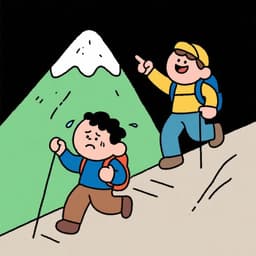
No te rajes
"Don't split yourself / Don't tear yourself"
Don't back down, don't give up, or don't chicken out. It’s a phrase of encouragement to persevere or follow through on a commitment.
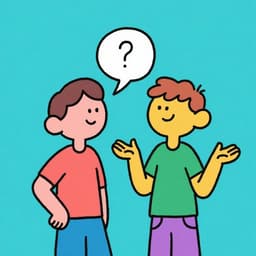
Sepa la bola
"The ball may know."
A very common way to say 'Who knows?', 'I have no idea,' or 'Your guess is as good as mine.'
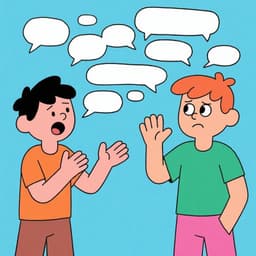
Ya chole
"Already, chole!"
Enough already! Give it a rest! I'm fed up with this.
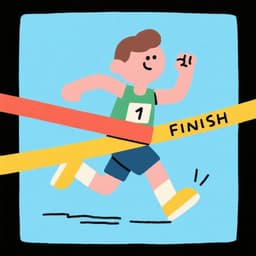
Ya merito
"Already just a little bit"
Almost; just about; on the verge of happening.
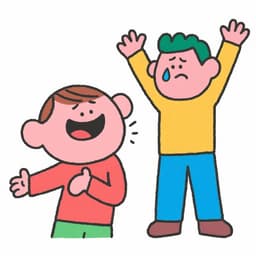
Ya ni la amuelas
"You don't even sharpen it anymore"
An expression of exasperation, used to tell someone they are being very annoying, have gone too far, or are being ridiculous. It's a strong way to say 'Give me a break!' or 'You're pushing it'.
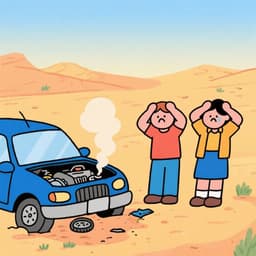
Ya nos cargó el payaso
"The clown has already carried us."
We're done for; we're screwed. It signifies a situation that has gone catastrophically and irreversibly wrong.
Frequently Asked Questions About Spanish Mexico Idioms
What makes Mexican Spanish idioms unique?
Mexican Spanish has unique idioms influenced by Nahuatl and other indigenous languages, distinctive slang, extensive use of diminutives, and expressions reflecting Mexican culture and history. Exclamations like "¡Órale!" and words like "chido" (cool) are distinctly Mexican.
Will Mexican Spanish idioms be understood elsewhere?
Many Mexican idioms are understood throughout Latin America due to Mexican media's influence, but some are specifically Mexican. Universal Spanish speakers will understand context, but Mexico-specific slang and expressions may need explanation elsewhere. Focus on your target region.
Have more questions about learning Spanish idioms? Browse our complete idiom guide.
Browse All Spanish Idiom Categories
Ready to Master More Spanish Idioms?
Explore our complete collection of 22+ Spanish idioms organized by category, difficulty level, and regional usage. Perfect for intermediate to advanced learners.
View All Spanish Idioms →