


Inklingo

Quedarse sin el pan y sin las tortas

/keh-DAR-seh seen el PAN ee seen las TOR-tas/

To try to get two things at once, often out of greed or indecision, and end up with neither. To lose out on everything.

Level:B2Register:InformalCommon:★★★☆☆

💡 Understanding the Idiom

Literal Translation:
"To be left without the bread and without the cakes."
What It Really Means:
To try to get two things at once, often out of greed or indecision, and end up with neither. To lose out on everything.
English Equivalents:
To fall between two stoolsTo end up with nothingTo lose on all counts

🎨 Literal vs. Figurative

💭 Literal
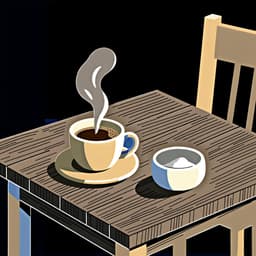
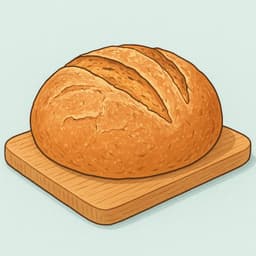
A sad person standing between two empty plates, one that held bread and one that held cakes.

Literally, this means 'to be left without the bread and without the cakes'.

✨ Figurative
A person looking regretful after trying to get two jobs and ending up with neither.

It describes losing everything because you couldn't choose or wanted too much.

📝 In Action

Intentó negociar con las dos empresas para subir la oferta y, al final, se quedó sin el pan y sin las tortas.

B2

He tried to negotiate with both companies to get a better offer and, in the end, he was left with nothing.

Por no decidirse entre ir de viaje o comprar el coche, esperó tanto que el precio de ambos subió y ya no pudo pagar ninguno. Se quedó sin el pan y sin las tortas.

C1

By not deciding between going on a trip or buying the car, he waited so long that the price of both went up and he couldn't afford either. He fell between two stools.

📜 Origin Story

This expression comes from old folk wisdom. Imagine a classic fable: a character has a simple piece of bread ('el pan'), a basic necessity. They see a chance to also get some delicious cakes ('las tortas'), a luxury. In trying to grab the cakes, they drop the bread, and the cakes are snatched away by someone else. The story teaches a lesson about greed and the danger of risking what you have for a chance at something more, only to lose everything.

⭐ Usage Tips

Use it for cautionary tales

This idiom is perfect for describing a situation where someone's greed or indecisiveness leads to a total loss. It often carries a slight 'I told you so' feeling, warning against trying to have it all.

❌ Common Pitfalls

It's Not Just About Food

Mistake: "Thinking the phrase is only used when talking about food or meals."

Correction: This is a purely figurative expression. Use it for situations involving jobs, relationships, negotiations, or any choice where trying to get everything results in getting nothing.

🌎 Where It's Used

🇪🇸

Spain

Very common and widely understood across the country.

🌎

Latin America

Well-known and used, particularly in countries like Argentina, Chile, and Uruguay. While the word 'torta' can mean different things (a cake in some places, a sandwich in Mexico), the meaning of the idiom remains the same.

🔗 Related Idioms

↔️ Similar Meanings

Salir con una mano delante y otra detrás

To leave with nothing (literally, 'with one hand in front and the other behind').

Quedarse en la estacada

To be left in the lurch; to be abandoned or fail at the last moment.

Opposite Meanings

Matar dos pájaros de un tiro

To kill two birds with one stone; to achieve two goals with a single action.

✏️ Quick Practice

💡 Quick Quiz: Quedarse sin el pan y sin las tortas

Question 1 of 1

If your friend 'se quedó sin el pan y sin las tortas' after a job search, what most likely happened?

🏷️ Tags

Food & DrinkFailureCommonly Used

Frequently Asked Questions

What is the emotional tone of this idiom? Is it mean to say?

It's not inherently mean, but it is critical. It's usually said with a tone of regret, sympathy, or as a cautionary warning. You might say it about a friend who made a bad decision, or about yourself to express regret for being too greedy.