
Inklingo

Estar en el horno

/es-TAR en el OR-no/

To be in big trouble, in a hopeless situation, or done for.

Level:B2Register:InformalCommon:★★★★

💡 Understanding the Idiom

Literal Translation:
"To be in the oven"
What It Really Means:
To be in big trouble, in a hopeless situation, or done for.
English Equivalents:
To be in hot waterTo be toastTo be up a creek without a paddleTo be cooked

🎨 Literal vs. Figurative

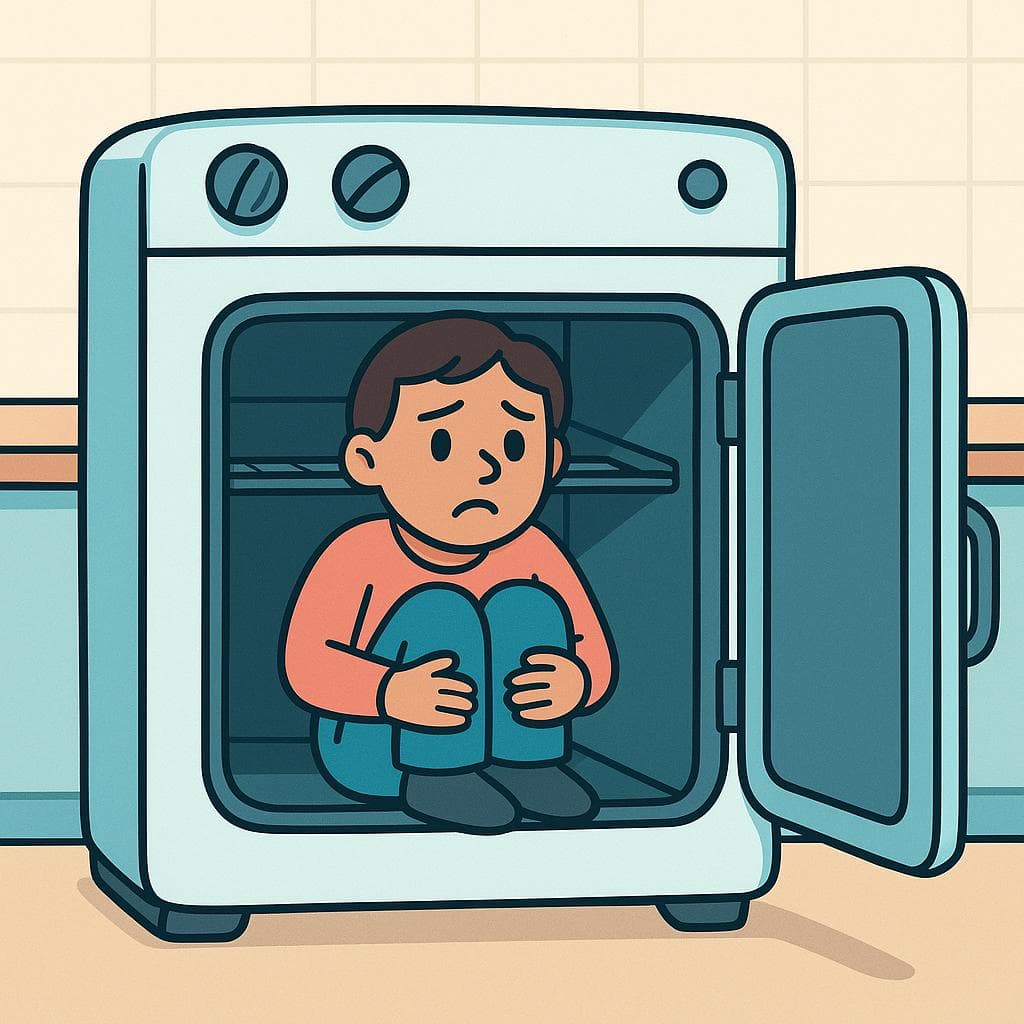
💭 Literal
A literal, humorous depiction of 'estar en el horno', showing a person looking worried while sitting inside a large kitchen oven.

Literally, this means 'to be in the oven'.

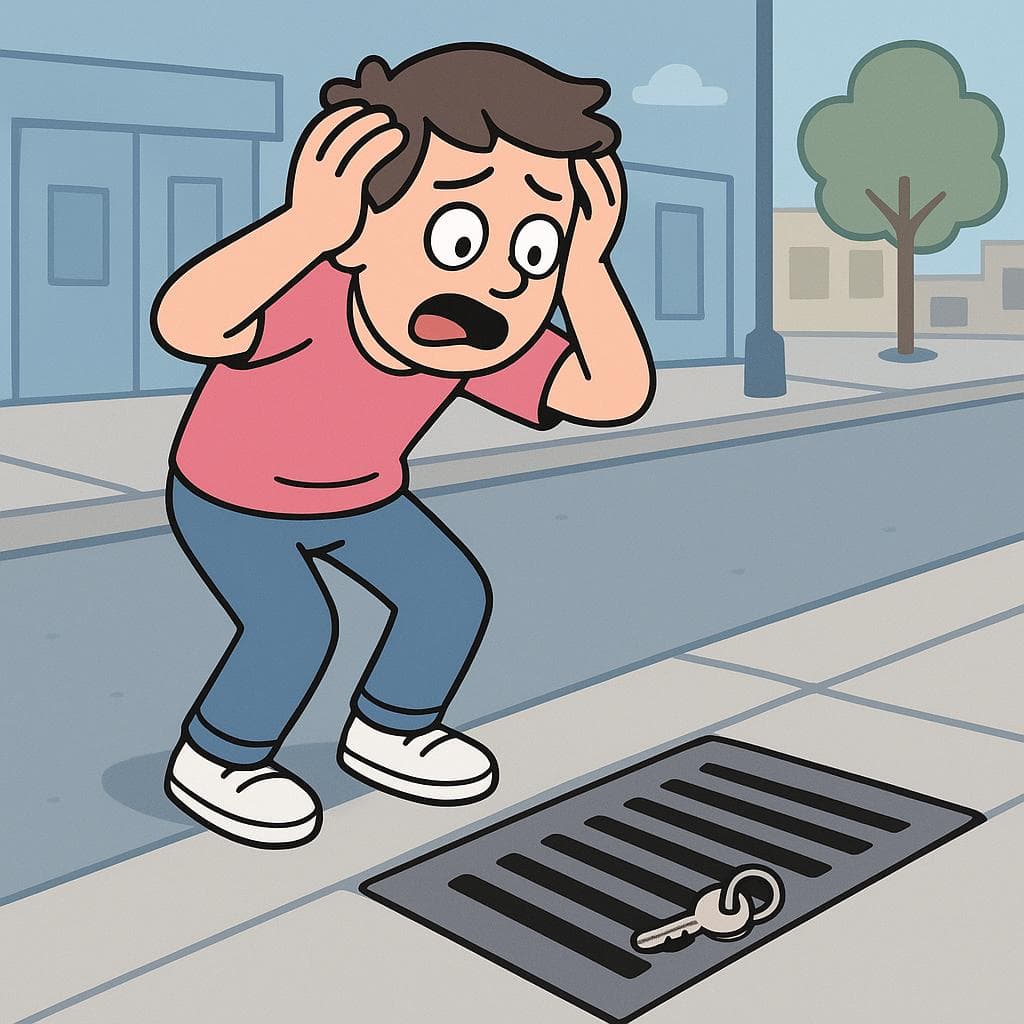
✨ Figurative
The figurative meaning of 'estar en el horno', showing a person looking stressed after dropping their car keys down a storm drain.

In reality, it means you are in a really difficult or hopeless situation.

Key Words in This Idiom:

📝 In Action

Si el jefe se entera que rompí la impresora, estoy en el horno.

B2

If the boss finds out I broke the printer, I'm toast.

Perdimos el último tren y no tenemos dónde dormir. ¡Estamos en el horno!

B2

We missed the last train and have nowhere to sleep. We're in big trouble!

El equipo va perdiendo 5-0 en el último minuto. Ya están en el horno.

B2

The team is losing 5-0 in the last minute. They're already cooked.

📜 Origin Story

The origin of this phrase is quite visual and easy to understand. Imagine being literally inside an oven. It's a hot, inescapable, and dangerous place where the outcome is almost certainly bad. The idiom captures this feeling of being trapped in a high-pressure situation with no easy way out, where things are about to go very wrong.

⭐ Usage Tips

For Serious (or Seriously Exaggerated) Trouble

Use 'estar en el horno' when you're facing a significant problem with serious consequences. It's stronger than just having a bad day. You can also use it humorously to exaggerate a smaller problem among friends.

Pair it with 'con' for More Detail

You can add 'con' (with) to specify the source of your trouble. For example, 'Estoy en el horno con este examen' means 'I'm in big trouble with this exam.'

❌ Common Pitfalls

Using it for Minor Inconveniences

Mistake: "Using it for something trivial, like 'Se me acabó el café, estoy en el horno.' (I ran out of coffee, I'm toast)."

Correction: This is an overstatement. The phrase implies a real jam. For minor issues, you'd be more likely to say 'Qué mala suerte' (What bad luck) or 'Qué rollo' (What a pain).

🌎 Where It's Used

🇦🇷

Argentina

Extremely common and a hallmark of colloquial Argentine Spanish. Used frequently in everyday conversation.

🇺🇾

Uruguay

Very common, with usage similar to its use in Argentina.

🇨🇱

Chile

Commonly used and well understood.

🇪🇸

Spain

It is understood, but less common. Spaniards are more likely to use expressions like 'estar en un aprieto', 'estar metido en un buen lío', or 'estar apaña'o'.

🔗 Related Idioms

↔️ Similar Meanings

estar frito

To be fried (meaning to be done for or in a hopeless situation).

estar en un aprieto

To be in a tight spot or a jam.

Opposite Meanings

ir sobre ruedas

To go on wheels (meaning everything is going smoothly).

estar en la gloria

To be in heaven/glory (meaning to be in a perfect, blissful situation).

✏️ Quick Practice

💡 Quick Quiz: Estar en el horno

Question 1 of 1

Your friend forgot about a major exam and didn't study at all. Which phrase best describes his situation?

🏷️ Tags

DifficultyProblemsCommonly UsedHouse & Home

Frequently Asked Questions

Is 'estar en el horno' always a very serious or dramatic phrase?

Not always. While it describes a serious problem, it's often used with a bit of dark humor or exaggeration among friends. The tone can range from genuinely worried to humorously fatalistic, depending on the context.

Can I use 'estar al horno' instead of 'estar en el horno'?

Yes, in some regions, particularly Argentina, you will frequently hear 'estar al horno'. Both 'en el horno' and 'al horno' are used and mean the same thing in this context.