How to Say "ancestors" in Spanish
The most common Spanish word for “ancestors” is “antepasados” — use 'antepasados' to refer to family members from previous generations, often with a focus on their migration or historical presence.

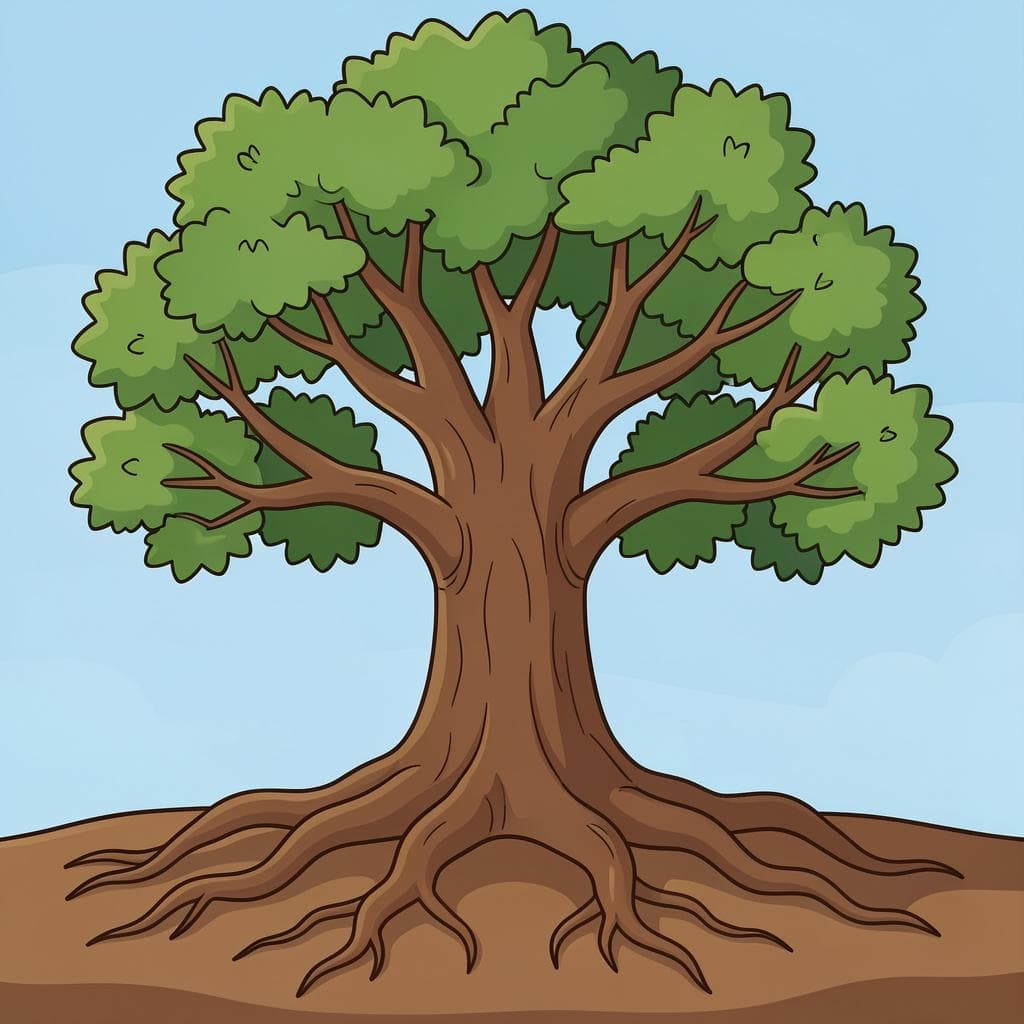
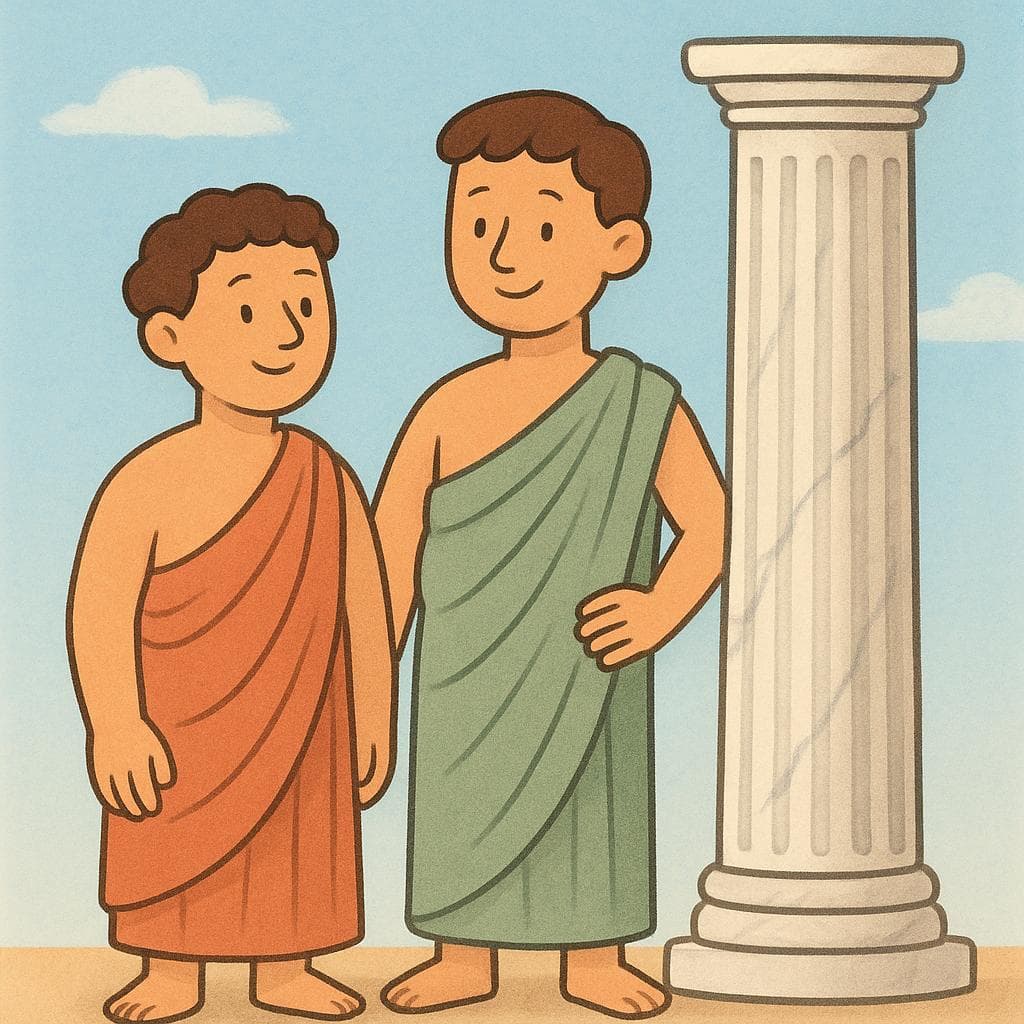
antepasados
ahn-teh-pah-SAH-dohsantepaˈsaðos

Examples
Mis antepasados vinieron de España en el siglo diecinueve.
My ancestors came from Spain in the nineteenth century.
Debemos respetar las tradiciones de nuestros antepasados.
We must respect the traditions of our ancestors.
Ella está investigando a sus antepasados para hacer su árbol genealógico.
She is researching her ancestors to make her family tree.
Always Plural
While 'antepasado' can be used in the singular to mean one ancestor, you will almost always hear it in the plural form ('antepasados') because it usually refers to a whole group of people from your family tree.
Gendered Plurals
Even though this word ends in '-os' (masculine), it refers to both your male and female ancestors combined.
Using 'antiguos'
Mistake: “Mis antiguos vivían aquí.”
Correction: Mis antepasados vivían aquí.
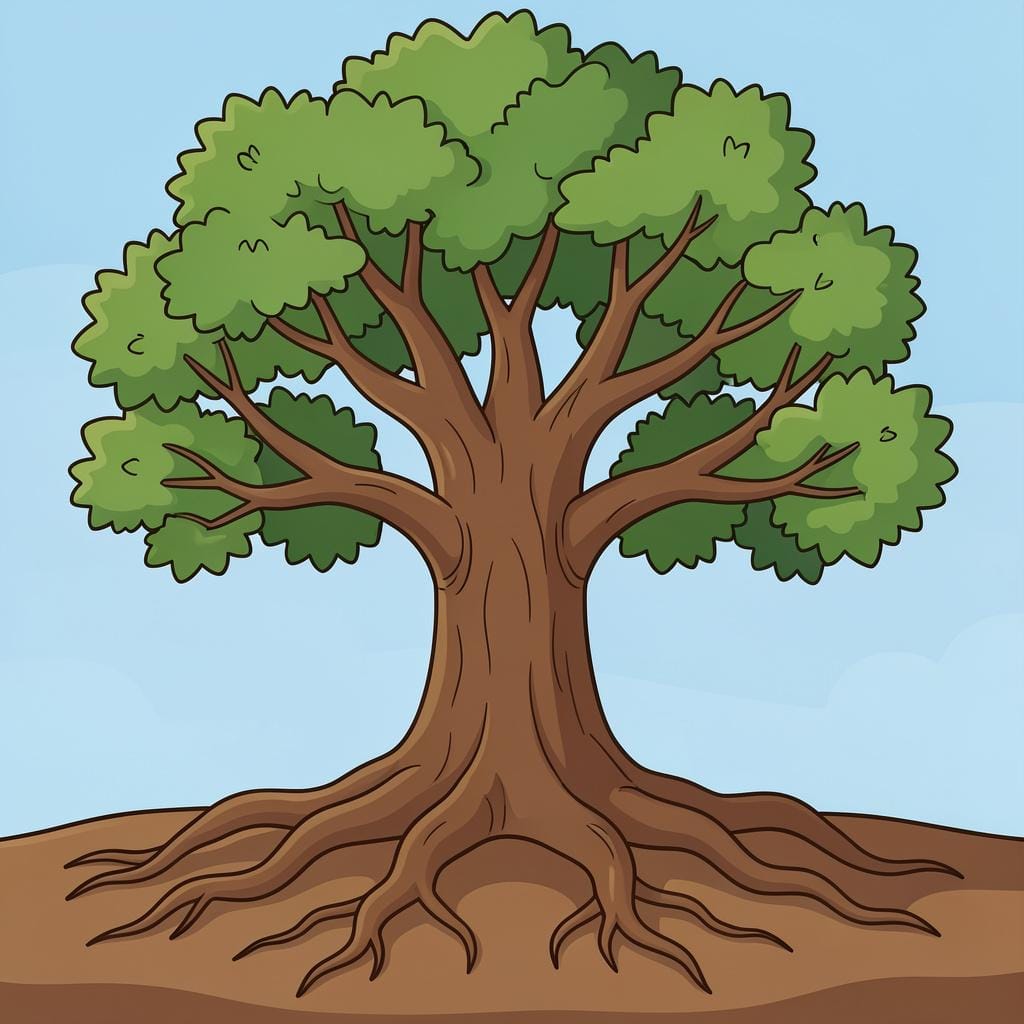
ancestros
an-SESS-trohsanˈsestɾos
Examples
Mis ancestros llegaron a este país hace cien años.
My ancestors arrived in this country a hundred years ago.
Es importante conocer la cultura de nuestros ancestros.
It is important to know the culture of our ancestors.
Ella siente una conexión profunda con sus ancestros.
She feels a deep connection with her ancestors.
Always Masculine
Even if you are talking about female relatives in your past, the word 'ancestros' is always masculine. You use 'los' and 'nuestros' with it.
Usually Plural
While 'ancestro' exists, we almost always use this word in the plural because we are usually talking about a whole group of people from the past.
Ancestros vs. Antiguos
Mistake: “Using 'antiguos' to mean ancestors.”
Correction: Use 'ancestros' for family lineage. 'Antiguos' usually refers to 'ancient people' in a general historical sense (like the Ancient Greeks), not your specific family tree.
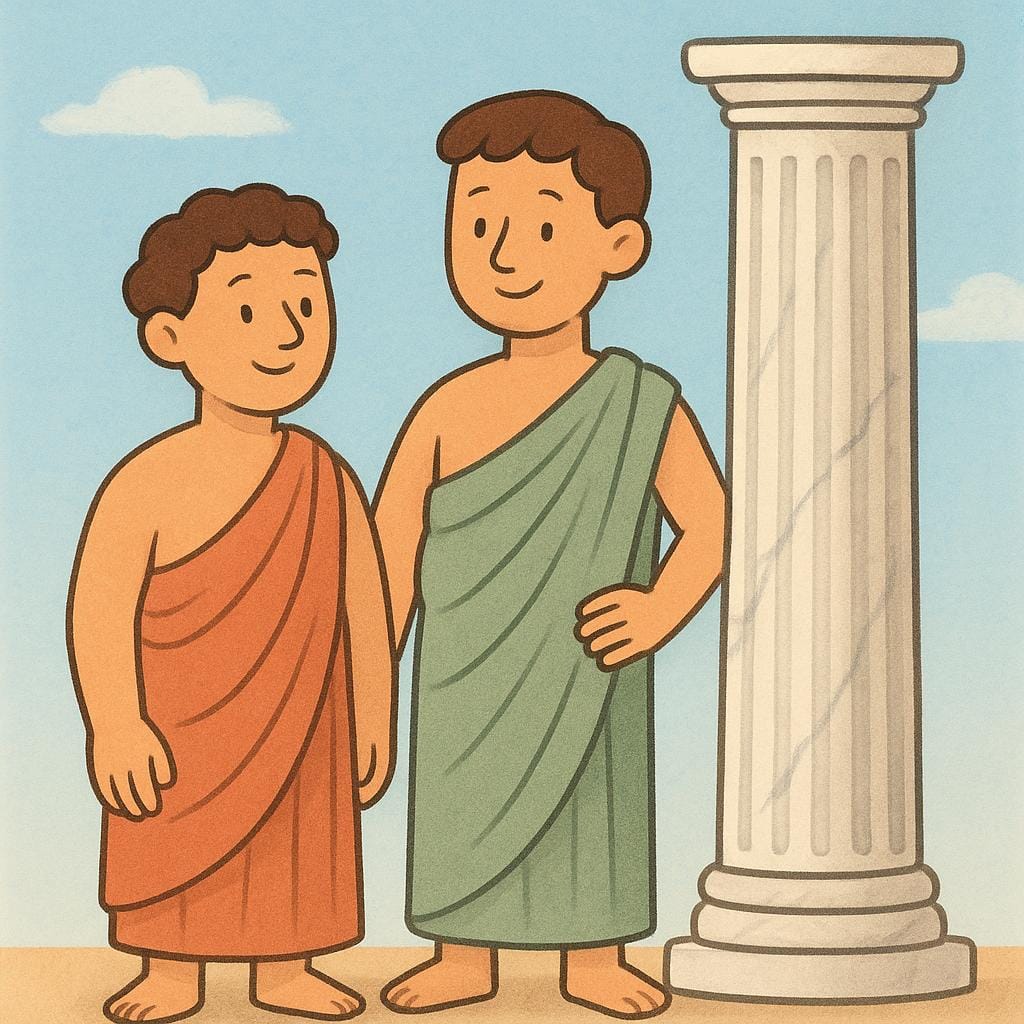
antiguos
an-TEE-gwosanˈtiɣwos
Examples
Los antiguos nos dejaron un gran legado arquitectónico.
The ancients left us a great architectural legacy.
Debemos aprender de los errores de nuestros antiguos.
We must learn from the mistakes of our ancestors.
Adjective to Noun
In Spanish, you can often turn an adjective (like 'antiguo') into a noun (like 'los antiguos') by placing an article (like 'los') in front of it. This means 'the old ones' or 'the people who are ancient.'
Confusing 'Ancestros' and 'Antepasados'
Related Translations
Learn Spanish with Inklingo
Interactive stories, personalized learning, and more.