ancestros
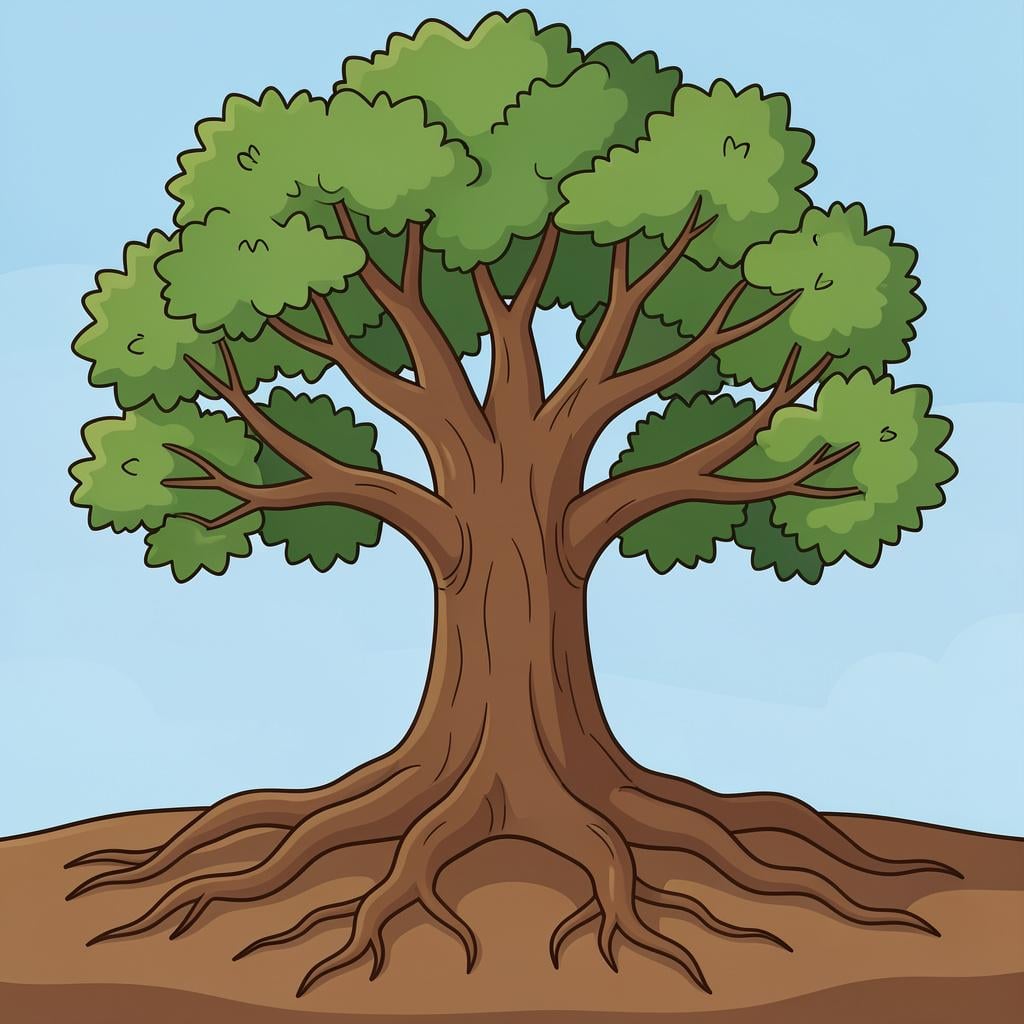
“ancestros” means “ancestors” in Spanish (General family lineage).
ancestorsAlso: forebears, forefathers
📝 In Action
Mis ancestros llegaron a este país hace cien años.
A2My ancestors arrived in this country a hundred years ago.
Es importante conocer la cultura de nuestros ancestros.
B1It is important to know the culture of our ancestors.
Ella siente una conexión profunda con sus ancestros.
B1She feels a deep connection with her ancestors.
Word Connections
Translate to Spanish
Words that translate to "ancestros" in Spanish:
✏️ Quick Practice
Quick Quiz: ancestros
Question 1 of 2
If you are talking about your great-great-grandmother, is she one of your 'ancestros'?
📚 More Resources
📚 Etymology
From the Latin word 'antecessor', which describes someone who goes before others. It's built from 'ante' (before) and 'cedere' (to go).
First recorded: 13th century
Cognates (Related words)
💡 Master Spanish
Take your Spanish to the next level. Read 200+ illustrated and narrated Spanish stories tailored to your level with the Inklingo app!
Frequently Asked Questions
Is 'ancestros' more formal than 'abuelos'?
Yes. 'Abuelos' specifically means grandparents. 'Ancestros' refers to everyone in your family line who lived before you, including people from hundreds of years ago.
Can I use 'ancestra' for a female ancestor?
No. In Spanish, the word 'ancestro' is always masculine, even when referring to a woman. You would say 'Ella es uno de mis ancestros'.