How to Say "breasts" in Spanish
The most common Spanish word for “breasts” is “pechos” — use 'pechos' for a general anatomical reference to the chest area, often used when discussing physical build or appearance, and also for mammary glands specifically when referring to breastfeeding.

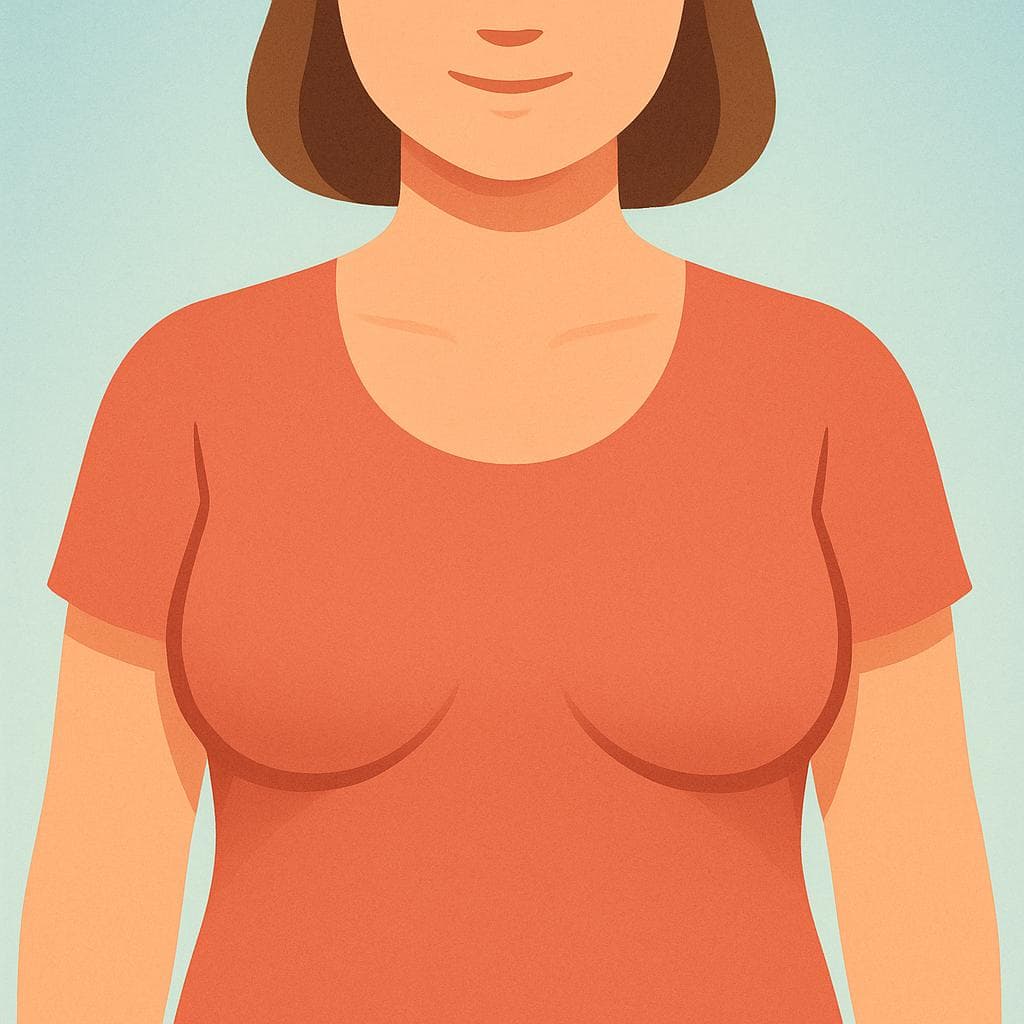
pechos
PEH-chosˈpetʃos

Examples
La madre alimentó a su bebé con sus pechos.
The mother fed her baby with her breasts (by breastfeeding).
Los nadadores tienen pechos muy anchos.
Swimmers have very wide chests.
El doctor revisó los pechos de los pacientes.
The doctor checked the patients' chests.
Ella se puso un vestido que cubría sus pechos.
She put on a dress that covered her breasts.
Masculine Plural
Even though 'pechos' can refer to female anatomy, the word itself is always masculine, so you must use masculine articles and adjectives (e.g., 'los pechos').
Alternative Terms
In medical or very formal settings, the term 'senos' or 'mamas' is often preferred over 'pechos' when specifically discussing female breasts.
Gender Confusion
Mistake: “La pechos anchos (Using feminine article 'la').”
Correction: Los pechos anchos. (Use the masculine article 'los' and adjective 'anchos').
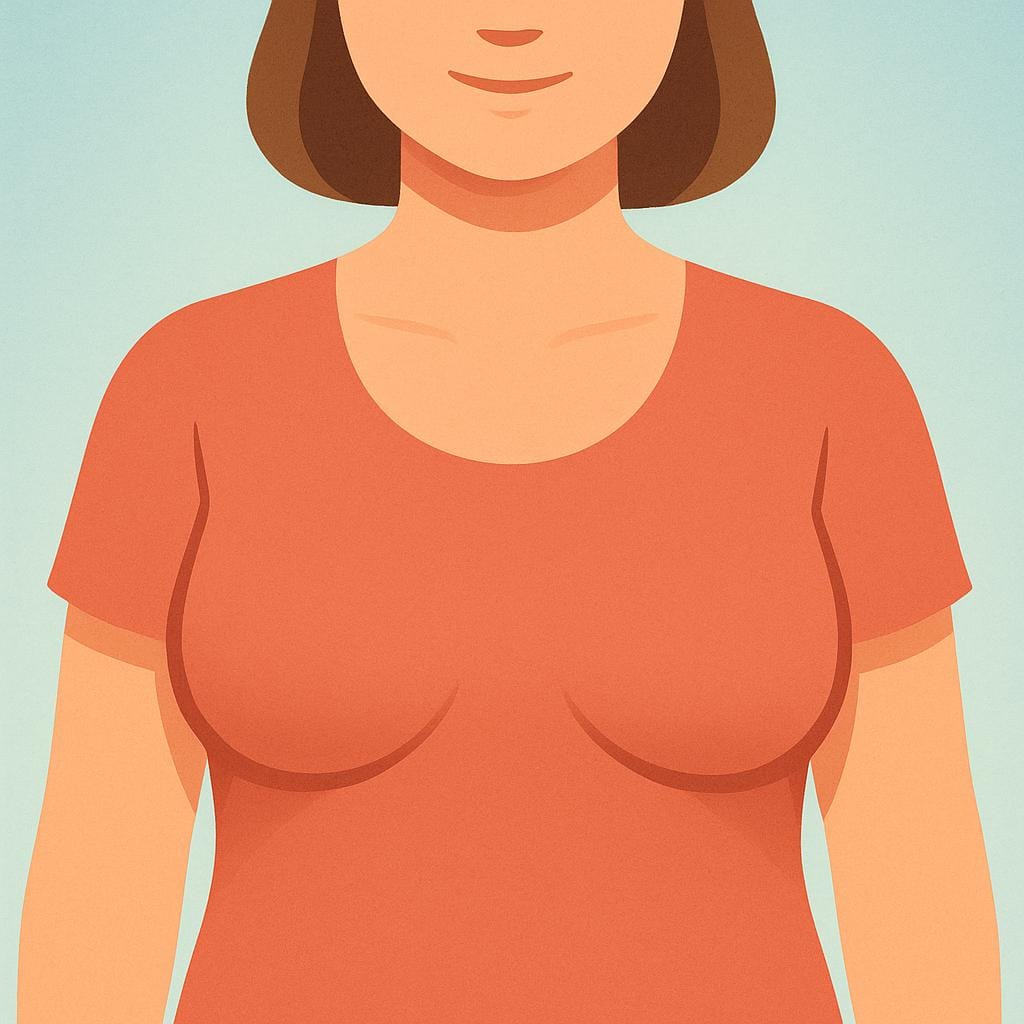
senos
SEH-nohsˈsenos
Examples
Ella se hizo un examen de senos anual.
She had an annual breast exam.
Los senos son glándulas mamarias y pueden producir leche.
Breasts are mammary glands and can produce milk.
Masculine Plural
Even though this word refers to a female body part, 'senos' is a masculine plural noun (the singular is 'el seno'). Always use masculine articles and adjectives with it.
Choosing Between 'Pechos' and 'Senos'
Learn Spanish with Inklingo
Interactive stories, personalized learning, and more.