How to Say "builder" in Spanish
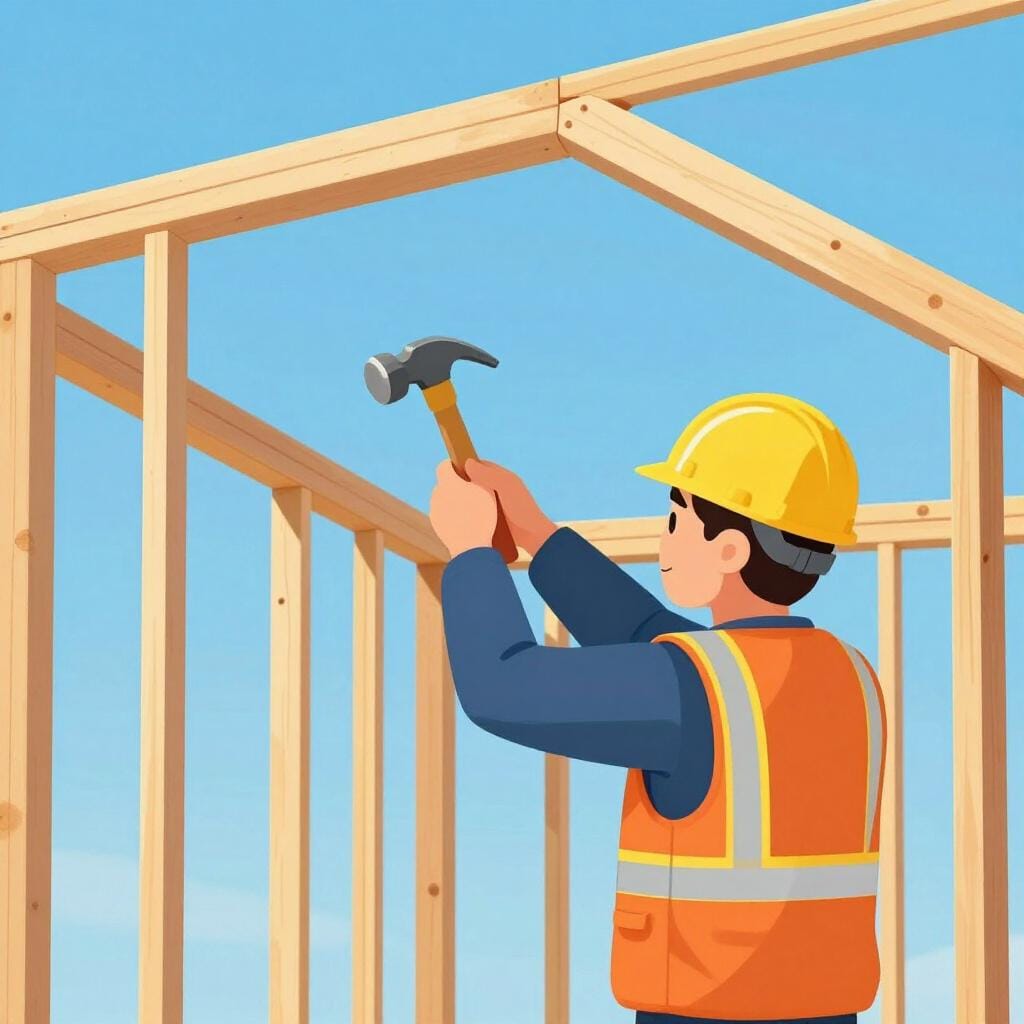
The most common Spanish word for “builder” is “constructor” — use 'constructor' for a person or company that builds general structures like houses or buildings.
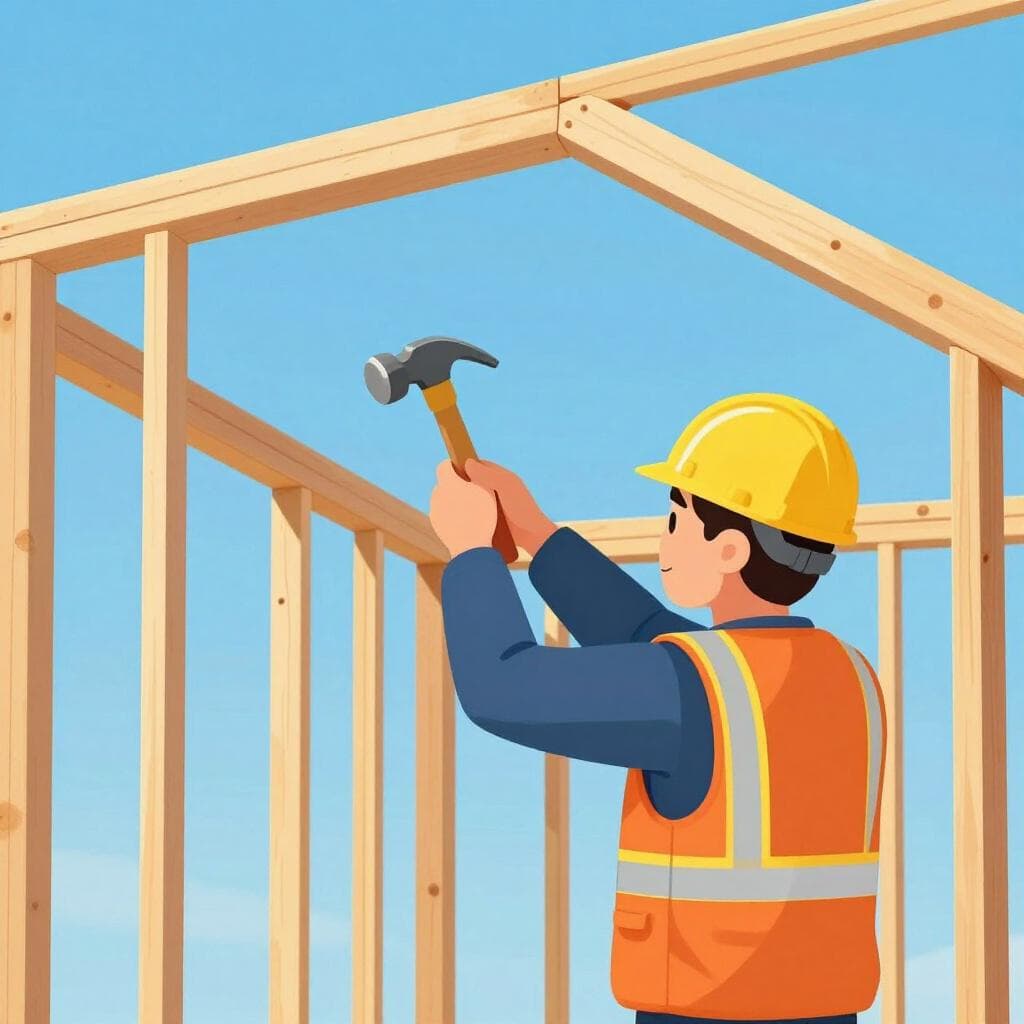

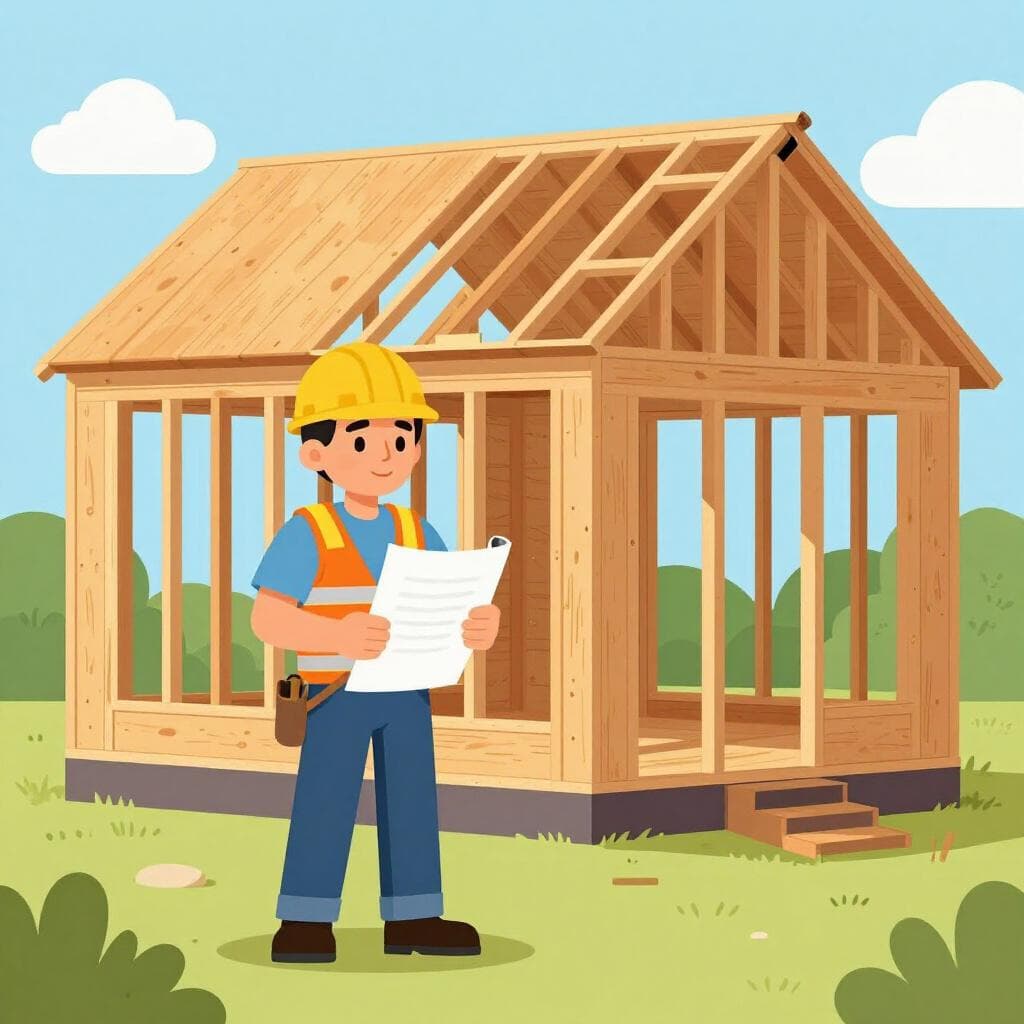
constructor
kohn-strook-TOHRkonstɾukˈtoɾ
Examples
El constructor terminó la casa en seis meses.
The builder finished the house in six months.
Necesitamos hablar con el constructor sobre los planos del edificio.
We need to talk to the contractor about the building's plans.
El constructor jefe supervisa a todos los obreros en la obra.
The head builder supervises all the workers at the construction site.
Using 'Ser' with Professions
When you say someone IS a builder, use the verb 'ser'. For example: 'Él es constructor' (He is a builder). Notice you don't usually need the word 'un' (a) before the profession unless you are adding an adjective.
Making it Feminine
To talk about a woman who builds or a female contractor, simply add an 'a' at the end: 'la constructora'. This same word is also used to refer to a building company.
Builder vs. Bricklayer
Mistake: “Using 'constructor' for every worker on a site.”
Correction: Use 'constructor' for the person in charge or the company. Use 'albañil' for the person physically laying the bricks or doing manual labor.
contratista
kon-tra-TEES-tahkontɾaˈtista

Examples
El contratista terminó la remodelación de la cocina antes de tiempo.
The contractor finished the kitchen remodel ahead of schedule.
Necesitamos hablar con la contratista sobre el presupuesto del proyecto.
We need to talk to the (female) contractor about the project budget.
Muchos contratistas independientes trabajan para el gobierno.
Many independent contractors work for the government.
The '-ista' ending
Words ending in '-ista' in Spanish describe professions and stay the same for both men and women. You only change the word 'the' (el or la) to show gender.
Using it as an adjective
While it is a noun, you can use it right after another noun to describe it, like 'empresa contratista' (contracting company).
Don't say 'contratisto'
Mistake: “El contratisto es muy profesional.”
Correction: El contratista es muy profesional. (Even for men, the word always ends in -a).
promotor
pro-mo-TORpɾomoˈtoɾ
Examples
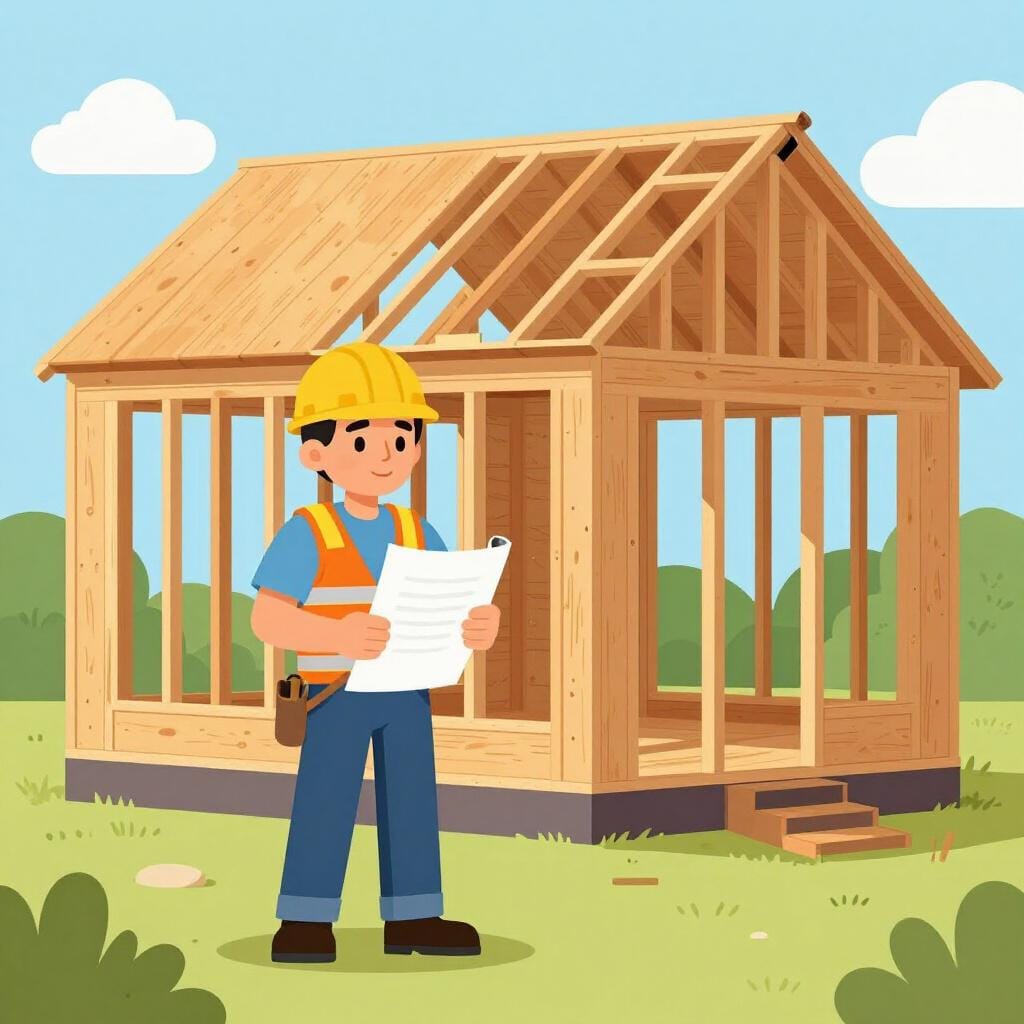
El promotor inmobiliario compró los terrenos junto al mar.
The real estate developer bought the land by the sea.
Varios promotores están interesados en el nuevo centro urbano.
Several developers are interested in the new urban center.
El promotor debe obtener los permisos antes de construir.
The developer must obtain the permits before building.
Using 'Inmobiliario'
In Spanish, if you just say 'el promotor' in a city planning meeting, people know you mean 'developer.' To be 100% clear, add the word 'inmobiliario' (related to buildings/land).
Using 'Desarrollador'
Mistake: “Él es un desarrollador de casas.”
Correction: Él es un promotor inmobiliario. ('Desarrollador' is usually used for software developers; for buildings, 'promotor' is the professional term).
Constructor vs. Contratista
Related Translations
Learn Spanish with Inklingo
Interactive stories, personalized learning, and more.