How to Say "bypass" in Spanish
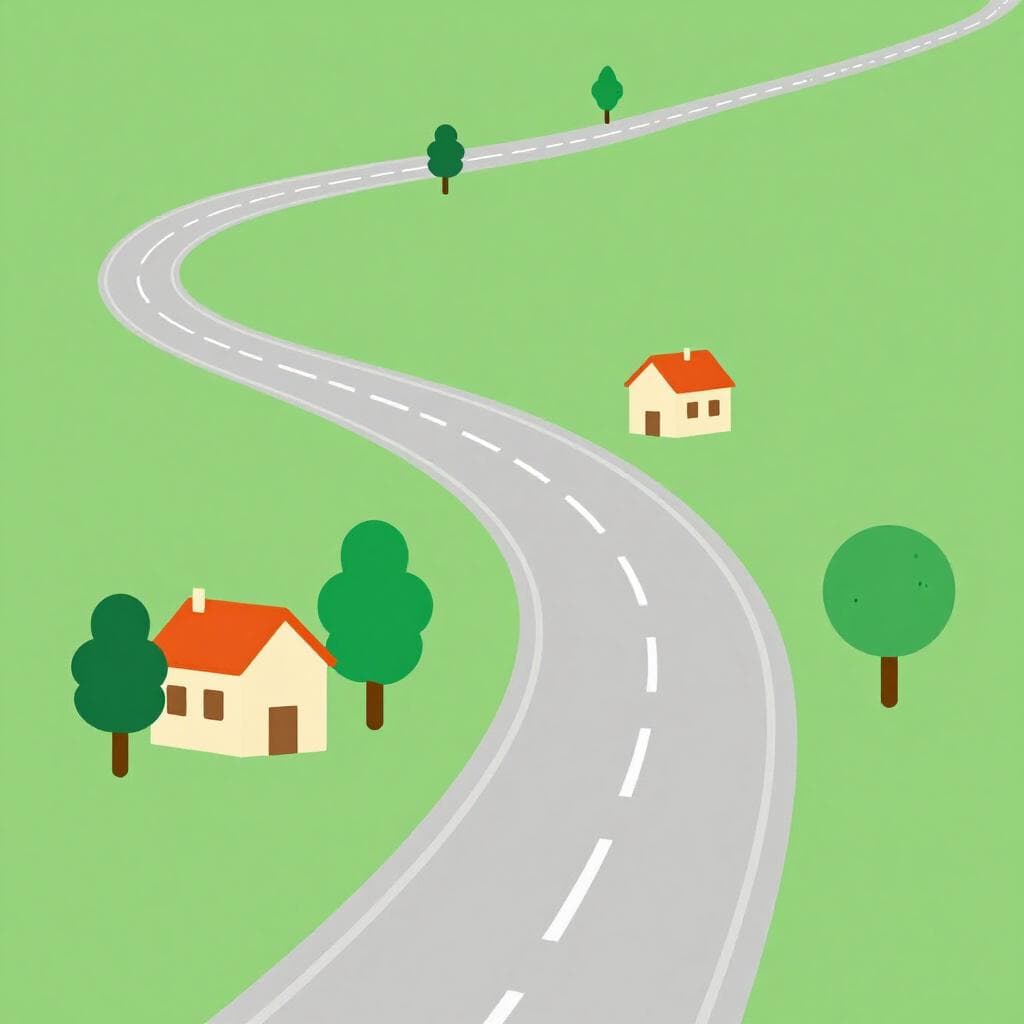
The most common Spanish word for “bypass” is “atajo” — use 'atajo' when referring to a shorter, quicker route or path that avoids a longer or more congested one, often a shortcut.

atajo
ah-TAH-hoaˈtaxo

Examples
Conozco un atajo para llegar al centro en diez minutos.
I know a shortcut to get to the center in ten minutes.
No tomes ese atajo de noche; está muy oscuro.
Don't take that shortcut at night; it's very dark.
Buscamos un atajo en el proceso para ahorrar tiempo.
We are looking for a shortcut in the process to save time.
Gender Memory Aid
Even though it ends in 'o', remember it is masculine: 'el atajo'. Think of 'el camino' (the road) to help you remember.
Verbs to Use
In English you 'make' or 'take' a shortcut, but in Spanish, we almost always use 'tomar' (to take) or 'ir por' (to go via).
Don't use 'hacer'
Mistake: “Hice un atajo para llegar.”
Correction: Tomé un atajo para llegar. (We use 'take', not 'make', for paths).
desvío
Examples
Tuvimos que tomar un desvío por las obras en la carretera.
We had to take a detour because of the roadwork.
variante
bah-RYAHN-tehbaˈɾjante
Examples
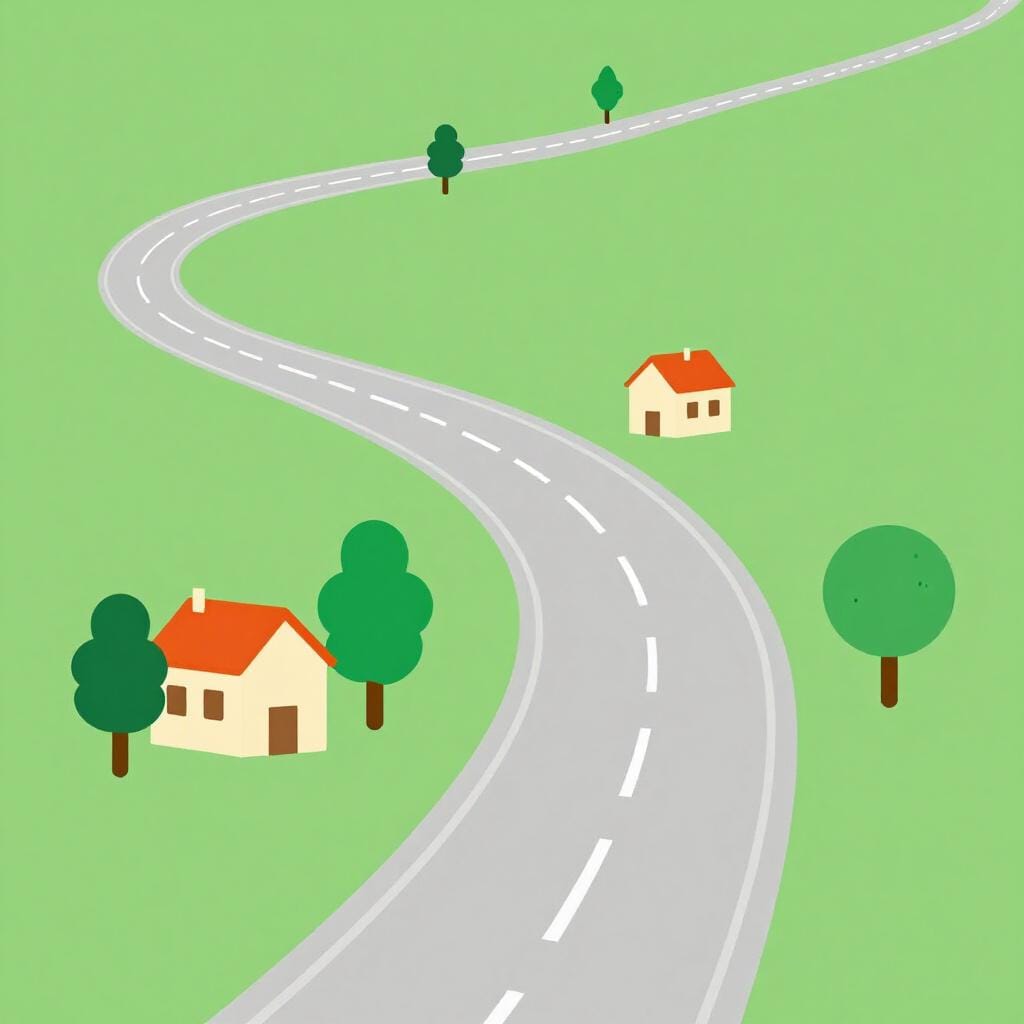
Tomamos la variante para no entrar en el centro de la ciudad.
We took the bypass to avoid going into the city center.
Hay mucho tráfico en la variante por un accidente.
There is a lot of traffic on the bypass due to an accident.
Sigue las señales que indican la variante.
Follow the signs indicating the bypass.
The Road Meaning
When used for roads, it functions as a short way of saying 'una carretera variante' (a varying/alternative road).
Don't confuse with 'variable'
Mistake: “la carretera variable”
Correction: la variante (A 'variable' road sounds like it physically changes, while 'variante' means it's an alternative path.)
periférico
Examples
El periférico estaba congestionado a esa hora.
The ring road was congested at that hour.
Shortcut vs. Road Diversion
Related Translations
Learn Spanish with Inklingo
Interactive stories, personalized learning, and more.